
AI Search

Tell us in one sentence about your application or question to search related products, technical articles and calculators.

Environmental Responsibility

Materials kept in use. Energy used with care.

Bepto Cable Glands focuses on practical steps in cable-entry manufacturing: material efficiency, separate copper and stainless-steel recovery through partner remelting, controlled recycling of suitable clean nylon molding waste, and storage of available daytime rooftop photovoltaic electricity for night production.

From production to recovery

One connected material and energy cycle
Cable-entry environmental responsibility cycleA circular path connects materials, energy, product use and recovery. Material is represented by a cable-gland body, energy by a lightning bolt, product use by a shield and recovery by circular arrows.REDUCEIMPACTMATERIALENERGYUSERECOVER
  • Partner metal remelting
  • Controlled nylon recycling
  • Efficient production and cleaner electricity

Product-Line Responsibility

Why does environmental responsibility matter in cable-entry manufacturing?

Every cable gland begins with raw material and passes through machining or molding, inspection, packaging and logistics before it reaches an installation.

Our approach connects efficient production with durable application fit and practical recovery routes, so material and energy decisions remain visible across the product journey.

Material Journey

Follow the cable gland from material choice to recovery.

  1. Materials

    Choose materials for the real cable-entry duty

    Match metals, nylon and seals to the cable, enclosure and environment while keeping each material stream identifiable.

  2. Production

    Reduce avoidable scrap and energy demand

    Control machining, molding and inspection so usable material is not lost and production energy serves useful output.

  3. Use

    Support a long, reliable service life

    Correct sizing, sealing, material choice and installation help avoid premature replacement in the field.

  4. Recovery

    Send each material to the right next process

    Separate copper and stainless steel for remelting and route suitable clean nylon waste into controlled plastic recycling.

How We Work

Four practical habits guide lower-impact manufacturing.

They connect engineering, purchasing, production, quality and recovery partners around the same material and energy decisions.

Use material efficiently

Improve cutting and molding yield without compromising the performance required by the installation.

Keep recovery streams clean

Separate metals and nylon by material condition so each stream remains useful to the next processor.

Use energy with purpose

Improve process efficiency and evaluate photovoltaic or cleaner electricity against real production demand.

Keep information traceable

Connect material identity, transfer records, supplier documents and energy data to a clear scope and period.

Named Environmental Responsibility

Environmental follow-up stays connected to the people doing the work.

Ryan Huang coordinates material, energy, waste and sustainability follow-up across Bepto Cable Glands.

His role connects sales requests with engineering, purchasing, production, quality, logistics and recycling partners.

Ryan Huang, Sales Engineer and Environmental Responsibility Supervisor at Bepto Cable Glands

Environmental Responsibility Supervisor

Ryan Huang

Sales Engineer & Environmental Responsibility Supervisor

Ryan’s main work remains sales: cable-gland inquiries, replacement matching and application review. Environmental-responsibility supervision is his additional role, keeping practical actions and customer information moving between teams.

  • Material and supplier documentation
  • Solar generation, energy storage, energy and waste records
  • Customer sustainability information and progress follow-up
Responsibility areaWhat we doHow it stays traceable
Metal recoverySeparate copper and stainless steel waste for partner recycling organizations to remeltMaterial identification, transfer and recycler records
Nylon recoveryClassify clean injection-molding waste for suitable plastic recycling and industrial reuseResin grade, color, additives, moisture and contamination records
Energy and carbonConnect rooftop photovoltaic generation, energy storage and night production demandMetered generation, storage, discharge and electricity-supply records
4

connected actions

Material recovery, waste prevention, energy efficiency and durable application fit work together.

3

material checkpoints

Purchasing, production and recovery keep material identity and handling routes visible.

2

recovery routes

Partner metal remelting and controlled nylon recycling keep different materials in suitable processes.

1

shared responsibility

Engineering, purchasing, production, quality and logistics contribute to the same product-line responsibility.

Metal

recover through remelting

Separate copper and stainless steel waste for partner recycling organizations to remelt and return to productive use.

Nylon

recover molding waste

Sort clean nylon runners, sprues, offcuts and nonconforming parts for suitable plastic recycling routes.

Carbon

understand carbon emissions

Electricity, fuel, material and logistics records make carbon-emissions information comparable over time.

Solar

use clean energy

Match photovoltaic generation, energy storage and other cleaner supply options to roof, grid and production-load conditions.

In Practice

Three ways environmental responsibility enters daily work.

Hands holding sorted recycled plastic flakes prepared for industrial reprocessing01

Nylon Material Recovery

Give clean molding waste a useful next route.

Clean nylon injection-molding waste—including runners, sprues, offcuts and suitable nonconforming parts—can enter plastic recycling and be reprocessed into other suitable industrial products when resin grade, color, additives, moisture and contamination are controlled.

  • Improve polymer yield before scrap is created.
  • Keep compatible nylon grades and colors in identified streams.
  • Route verified clean waste to qualified industrial reprocessing.
Outdoor industrial energy-storage equipment installed beside a production buildingRooftop photovoltaic panels generating electricity for daytime production and energy storage02

Daylight Solar + Night Production

Store daytime solar electricity for production after sunset.

Daytime rooftop photovoltaic electricity first supports active factory loads. When generation is available beyond immediate demand, the energy-storage system retains that electricity so it can support night production after the solar panels stop generating.
  • Use daytime solar generation first for active production loads.
  • Store available photovoltaic electricity in the on-site energy-storage system.
  • Discharge stored electricity to support night-shift production demand.
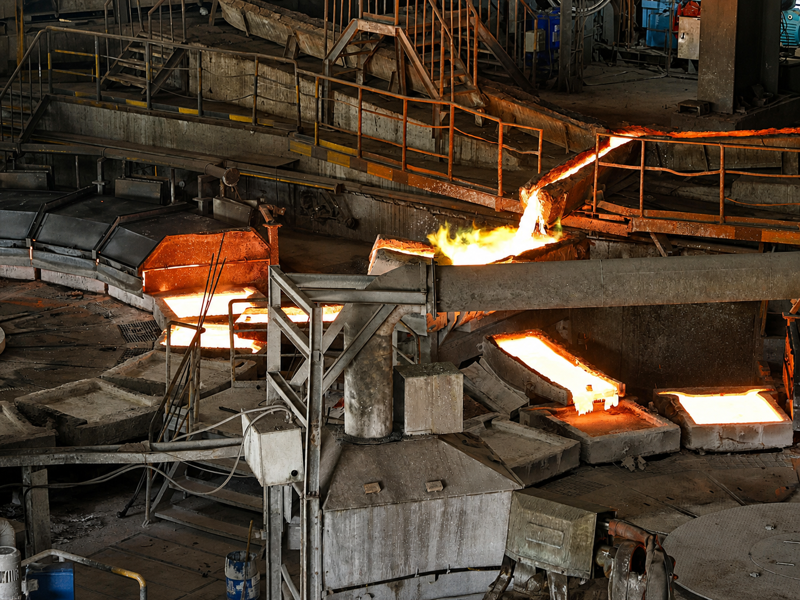
Metal-recycling production line transferring molten metal between furnace stagesMolten metal pouring from an industrial furnace during recycling03

Partner Metal Remelting

Keep separated metal waste in a productive recycling route.

Copper and stainless-steel production waste is separated by material and transferred to partner recycling organizations for controlled remelting. Clear grade identification and contamination control help recovered metal return to productive industrial use.

  • Keep copper and stainless-steel streams separate.
  • Remove incompatible seals, inserts and contamination before transfer.
  • Connect material identity, transfer records and recycler information.

Traceable Information

Clear records turn environmental action into information customers can use.

Material identities, waste-transfer records, electricity and fuel data, recycler documentation and supplier declarations are connected to a defined product or operating scope.

Shared Responsibility

Every function influences material and energy use.

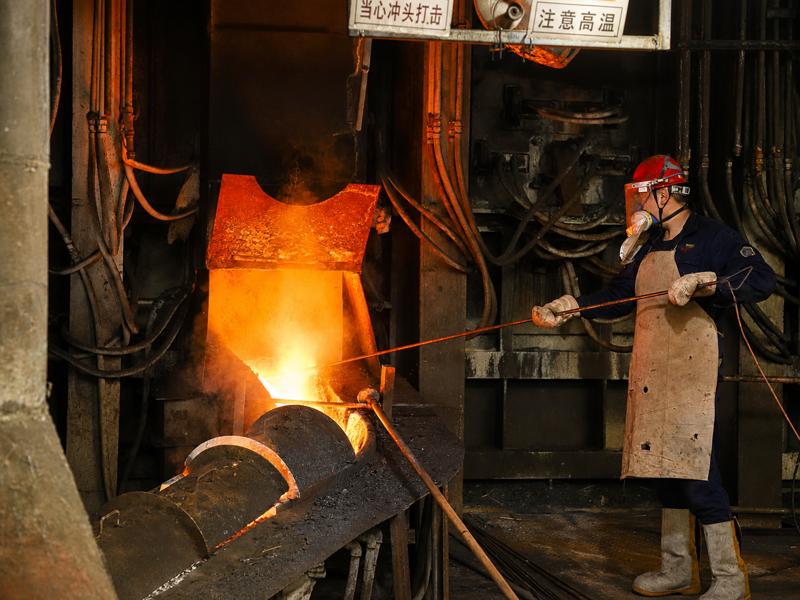
Engineering defines the duty, purchasing keeps material information clear, production controls yield and segregation, quality protects useful output, and logistics connects documented recovery partners. At partner recycling facilities, trained operators and controlled furnace processes complete the metal recovery route.
Metal segregationNylon recoveryEnergy efficiencyPartner traceability
Worker in protective equipment operating a metal-remelting furnace at a partner recycling facility

Frequently Asked Questions

Answers for material, energy and recovery questions.

Use these answers when reviewing a cable-gland material route, environmental document request or end-of-life requirement.

01Environmental Responsibility FAQHow are copper and stainless steel production wastes recovered?

Copper and stainless steel waste are kept in separate material streams and transferred to partner recycling organizations for remelting. Grade identification, separation from seals and inserts, and contamination control help keep the recovered metal suitable for productive reuse.

02Environmental Responsibility FAQCan nylon injection-molding waste become another industrial product?

Yes, suitable nylon runners, sprues, offcuts and clean nonconforming parts can enter plastic recycling and be reprocessed into other suitable industrial products. The route depends on resin grade, color, additives, moisture, contamination and the technical requirements of the receiving recycler and product.

03Environmental Responsibility FAQAre all parts of a cable gland recyclable?

Not through one universal route. A cable gland may combine a metal or polymer body with elastomer seals, inserts, coatings and accessories. Each material needs to be identified and matched to an available local recovery or disposal system.

04Environmental Responsibility FAQHow does Bepto Cable Glands track energy and carbon emissions?

Metered electricity and fuel records are combined with relevant material and logistics information inside a clearly defined operating or product scope. This keeps carbon-emissions comparisons tied to the same boundary and reporting period.

05Environmental Responsibility FAQHow do rooftop solar panels and energy storage support night production?

During daylight hours, rooftop photovoltaic generation first supports active production loads. Available electricity beyond immediate demand can be retained in the on-site energy-storage system and discharged later to support production after sunset.

06Environmental Responsibility FAQDoes a longer cable-gland service life reduce environmental impact?

It can reduce the frequency of replacement, material use and associated logistics when the product is correctly selected and installed. A complete comparison still needs a defined life-cycle boundary and comparable application conditions.

Environmental Information

Questions about materials, energy or cable-entry environmental information?

Contact Bepto Cable Glands to discuss material handling, recovery routes, energy use or carbon-emissions scope. We can explain the information relevant to the product or operation and its documented boundaries.

Talk with Our Team