


“What exactly is glanding?” This question comes up in nearly every training session I conduct for electrical contractors. Last month, I was consulting with Maria, a project manager from a Spanish renewable energy company, who admitted she’d been in the industry for five years but still wasn’t entirely clear on what glanding actually meant. Her confusion is more common than you’d think – even experienced professionals sometimes use the term loosely without understanding its precise technical meaning.
Glanding refers to the process and practice of installing cable glands (cable entry devices) to create secure, sealed, and strain-relieved connections where cables enter electrical enclosures, panels, or equipment. It encompasses the selection, installation, and maintenance of these critical components that ensure IP ratings, safety compliance, and long-term reliability.
The confusion around glanding often stems from regional terminology differences and the evolution of cable entry technology. In my 10 years at Bepto Connector, I’ve seen how proper glanding can make the difference between a reliable installation that lasts decades and a problematic system requiring constant maintenance. Let me clarify exactly what glanding means and why it’s fundamental to professional electrical work.
Table of Contents
- What Does “Glanding” Actually Mean in Electrical Terms?
- How Has Glanding Technology Evolved Over Time?
- What Are the Key Components of Professional Glanding?
- Why Is Proper Glanding Critical for Safety and Performance?
- What Are Common Glanding Mistakes and How to Avoid Them?
- FAQs About Glanding in Electrical Installations
What Does “Glanding” Actually Mean in Electrical Terms?
Understanding the precise definition of glanding is essential for anyone involved in electrical installations, from apprentices to seasoned professionals.
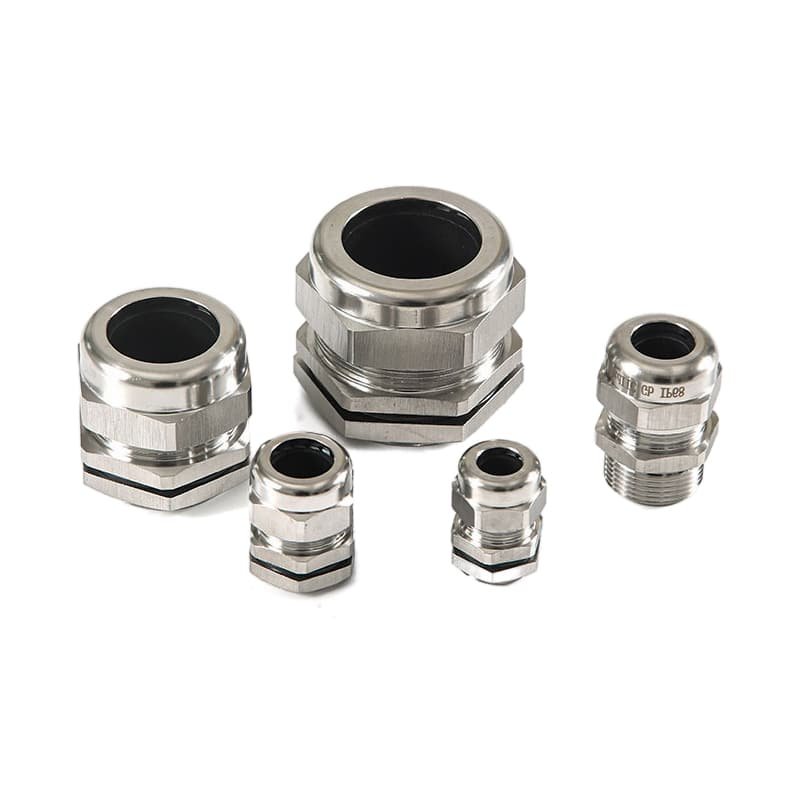
Glanding is the comprehensive process of selecting, installing, and maintaining cable glands to achieve secure cable entry into electrical equipment while providing environmental sealing, strain relief, and electrical continuity where required. It’s both a noun (the installed gland system) and a verb (the act of installation).
The Technical Definition
Primary Functions of Glanding:
- Environmental Sealing: Maintaining IP ratings against dust and moisture ingress1
- Strain Relief: Preventing mechanical stress on cable connections
- Cable Retention: Securing cables against pull-out forces
- Electrical Continuity: Providing earthing/grounding paths for armored cables
- Fire Stopping: Preventing fire spread through cable penetrations (specialized applications)
Components Involved in Glanding:
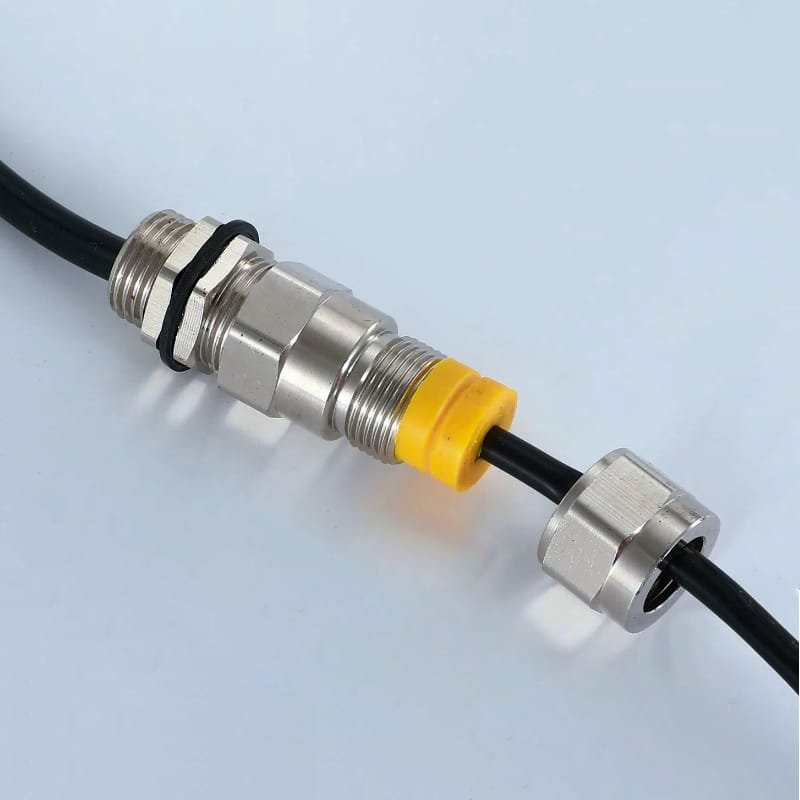
- Cable Gland Body: Main housing that threads into equipment
- Sealing Elements: O-rings, gaskets, and compression seals
- Clamping Mechanism: Components that grip and secure the cable
- Strain Relief: Elements that distribute mechanical loads
- Earthing Components: Connections for cable armor or screen (where applicable)
Regional Terminology Variations
The term “glanding” is primarily used in:
- United Kingdom and Commonwealth countries
- European electrical standards and documentation
- International marine and offshore industries
- Industrial automation sectors
Alternative Terms:
- North America: “Cable entry systems” or “cord grips”
- Germany: “Kabelverschraubung” (cable screw connection)
- France: “Presse-étoupe” (cable gland)
- Asia-Pacific: Often “cable glands” or “cable connectors”
Professional Context and Usage
In professional electrical work, glanding encompasses:
Design Phase:
- Specifying appropriate gland types for environmental conditions
- Calculating cable entry requirements and panel space
- Ensuring compliance with relevant standards (IP ratings, fire ratings)
- Coordinating with cable specifications and installation methods
Installation Phase:
- Proper cable preparation and measurement
- Correct assembly sequence and torque specifications
- Verification of sealing integrity and strain relief
- Testing and documentation of completed installations
Maintenance Phase:
- Periodic inspection of gland condition and performance
- Replacement of degraded sealing elements
- Verification of continued compliance with original specifications
- Documentation of maintenance activities and findings
Hassan, a facilities manager at a petrochemical plant in Saudi Arabia, initially thought glanding just meant “putting glands on cables.” After experiencing multiple seal failures and IP rating violations, he realized glanding involves systematic selection, proper installation techniques, and ongoing maintenance. Now his team follows comprehensive glanding procedures that have eliminated environmental ingress issues entirely.
How Has Glanding Technology Evolved Over Time?
The evolution of glanding technology reflects the increasing demands of modern electrical installations and environmental challenges.
Glanding has evolved from simple mechanical cable clamps to sophisticated engineered systems incorporating advanced materials, multi-stage sealing, and specialized designs for extreme environments, high voltages, and specific industry requirements. This evolution continues as new applications and environmental challenges emerge.
Historical Development Timeline
1920s-1940s: Basic Mechanical Systems
- Simple stuffing boxes with packing materials
- Basic thread-on designs for industrial applications
- Limited environmental protection capabilities
- Primarily brass and steel construction
1950s-1960s: Standardization Era
- Introduction of metric and imperial threading standards
- Development of PG (Panzer-Gewinde) system in Europe
- Basic IP rating classifications established
- Improved sealing with rubber gaskets
1970s-1980s: Material Revolution
- Introduction of synthetic elastomers (EPDM, Nitrile)
- Stainless steel for corrosive environments
- Plastic glands for cost-sensitive applications
- Enhanced chemical resistance properties
1990s-2000s: Performance Enhancement
- Multi-stage sealing systems development
- Specialized designs for armored cables
- Ex-rated glands for hazardous areas
- EMC shielding integration
2010s-Present: Advanced Engineering
- Nanotechnology-enhanced materials
- Smart glands with monitoring capabilities
- Extreme environment specifications
- Sustainable and recyclable materials
Modern Technological Advances
Advanced Sealing Technologies:
- Progressive Compression: Multi-stage sealing that adapts to cable variations
- Hybrid Materials: Combining different elastomers for optimal performance
- Self-Healing Seals: Materials that recover from minor damage
- Temperature-Adaptive: Seals that maintain performance across extreme ranges
Smart Glanding Systems:
- Condition Monitoring: Sensors that detect seal degradation
- Environmental Logging: Recording temperature, humidity, and pressure
- Predictive Maintenance: AI-driven replacement scheduling
- Remote Monitoring: IoT integration for facility management systems
Specialized Applications:
- High-Voltage Systems: Enhanced insulation and creepage distances
- Subsea Applications: Extreme pressure and corrosion resistance
- Space Applications: Vacuum compatibility and radiation resistance
- Medical Environments: Biocompatibility and sterilization resistance
Future Trends in Glanding Technology
Emerging Technologies:
- 3D Printed Components: Custom geometries for specific applications
- Bio-based Materials: Sustainable alternatives to petroleum-based elastomers
- Quantum Sensors: Ultra-sensitive monitoring of seal integrity
- Self-Installing Systems: Automated installation and adjustment
Industry Drivers:
- Renewable Energy: Offshore wind and solar installations
- Electric Vehicles: High-voltage charging infrastructure
- Data Centers: High-density cable management
- Smart Cities: Integrated monitoring and control systems
What Are the Key Components of Professional Glanding?
Professional glanding involves multiple interconnected components that work together to achieve optimal performance and reliability.
Professional glanding systems comprise the gland body, sealing elements, strain relief mechanisms, clamping systems, and earthing components (where applicable), each engineered to specific tolerances and material specifications for the intended application. Understanding each component’s role is essential for proper selection and installation.
Primary Structural Components
Gland Body (Main Housing):
- Material Options: Stainless steel, brass, aluminum, engineered plastics
- Threading: Metric (M12-M63), Imperial (1/2″-2″), PG (PG7-PG48)
- Design Features: Hex flats for installation, smooth internal bore
- Surface Treatments: Passivation, anodizing, or protective coatings
- Quality Standards: Precision machining to ±0.05mm tolerances2
Locknut/Retaining Ring:
- Function: Secures gland body to panel or enclosure
- Materials: Matching gland body material for galvanic compatibility
- Design: Knurled or hex configuration for tool engagement
- Sealing: Often incorporates panel sealing gasket
- Torque Requirements: Specified values for proper installation
Compression Ring/Cone:
- Purpose: Distributes clamping force evenly around cable
- Geometry: Tapered design for progressive compression
- Materials: Engineered plastics or metal for high-temperature applications
- Flexibility: Accommodates cable diameter variations
- Durability: Resistant to stress cracking and fatigue
Sealing System Components
Primary Sealing Elements:
- O-Ring Seals: Precise groove dimensions for optimal compression
- Gasket Seals: Flat or formed gaskets for panel interfaces
- Cable Seals: Specialized shapes that conform to cable geometry
- Material Selection: EPDM, Nitrile, Viton based on environment
- Shore Hardness: Typically 70-80 durometer for optimal performance3
Secondary Sealing Systems:
- Backup Seals: Redundant protection for critical applications
- Environmental Barriers: Additional protection against specific contaminants
- Pressure Relief: Venting systems for thermal expansion
- Monitoring Interfaces: Access points for seal condition assessment
- Replacement Indicators: Visual or electronic replacement timing
Strain Relief and Clamping Systems
Strain Relief Mechanisms:
- Boot Design: Flexible elements that distribute bending loads
- Internal Support: Rigid elements that prevent cable kinking
- Progressive Stiffness: Gradual transition from rigid to flexible
- Material Properties: Fatigue resistance for dynamic applications
- Environmental Compatibility: UV, ozone, and chemical resistance
Cable Clamping Systems:
- Compression Fitting: Radial compression around cable circumference
- Split Clamp: Hinged or removable elements for easy installation
- Insert Systems: Removable elements for different cable sizes
- Gripping Elements: Textured surfaces or teeth for secure retention
- Load Distribution: Spreading forces to prevent cable damage
Specialized Components
Earthing/Grounding Elements (Armored Cables):
- Earth Tags: Mechanical connection points for armor wires
- Continuity Bridges: Electrical connection between armor and gland
- Corrosion Protection: Plating or coating to prevent galvanic corrosion
- Contact Pressure: Specified force for reliable electrical connection
- Testing Points: Access for continuity verification
EMC Shielding Components:
- Conductive Gaskets: Maintain electromagnetic continuity
- Shielding Effectiveness: Specified attenuation levels
- Frequency Response: Performance across relevant frequency ranges
- Environmental Stability: Maintaining performance over time
- Integration: Compatibility with overall EMC design
Maria’s Spanish renewable energy project required comprehensive understanding of these components. Initially focusing only on basic sealing, she learned that proper strain relief was equally critical for wind turbine installations subject to constant vibration. Our training covered how each component contributes to overall system reliability, leading to zero gland failures across their 50MW installation.
Why Is Proper Glanding Critical for Safety and Performance?
The importance of proper glanding extends far beyond simple cable entry – it’s fundamental to electrical safety, equipment protection, and system reliability.
Proper glanding prevents catastrophic failures including electrical faults, equipment damage, fire hazards, and safety incidents by maintaining environmental barriers, electrical continuity, and mechanical integrity throughout the system’s operational life. The consequences of inadequate glanding can be severe and costly.
Safety Implications
Electrical Safety:
- Insulation Integrity: Preventing moisture ingress that causes insulation breakdown
- Earth Fault Protection: Maintaining protective conductor continuity
- Arc Flash Prevention: Eliminating conditions that lead to electrical arcing
- Shock Hazard Elimination: Preventing exposed conductors from environmental damage
- Fire Prevention: Stopping ignition sources from electrical faults
Personnel Safety:
- Mechanical Protection: Preventing cable damage that creates hazards
- Environmental Barriers: Maintaining safe working conditions
- Emergency Response: Ensuring systems remain safe during incidents
- Maintenance Safety: Providing secure access for routine work
- Regulatory Compliance: Meeting occupational safety requirements
Equipment Protection Functions
Environmental Protection:
- IP Rating Maintenance: Preserving ingress protection throughout service life
- Corrosion Prevention: Protecting internal components from environmental exposure
- Temperature Management: Preventing thermal cycling damage
- Chemical Resistance: Maintaining barriers against industrial contaminants
- UV Protection: Preventing degradation from solar exposure
Mechanical Protection:
- Vibration Isolation: Preventing fatigue failures from mechanical stress
- Strain Relief: Distributing loads to prevent conductor damage
- Cable Retention: Preventing accidental disconnection
- Impact Resistance: Protecting against physical damage
- Thermal Expansion: Accommodating dimensional changes
System Performance Benefits
Reliability Enhancement:
- Reduced Downtime: Preventing failures that interrupt operations
- Predictable Performance: Consistent behavior over extended periods
- Maintenance Optimization: Reducing unplanned maintenance requirements
- Life Cycle Extension: Maximizing equipment service life
- Performance Consistency: Maintaining specifications throughout operation
Economic Impact:
- Reduced Maintenance Costs: Fewer repairs and replacements
- Energy Efficiency: Preventing losses from environmental ingress
- Insurance Benefits: Lower premiums for properly protected installations
- Productivity Gains: Eliminating production interruptions
- Asset Protection: Preserving equipment value over time
Real-World Consequences of Poor Glanding
Case Study: Manufacturing Plant Failure
A German automotive plant experienced a cascade failure when improper glanding allowed moisture ingress into their main control panel. The sequence of events:
- Initial Problem: Undersized glands with inadequate sealing
- Moisture Ingress: Gradual accumulation over six months
- Insulation Failure: Breakdown of control circuit insulation
- Arc Fault: Electrical arcing damaged multiple components
- Production Stop: Three-day shutdown for emergency repairs
- Total Cost: €250,000 in repairs, lost production, and investigation
Prevention Through Proper Glanding:
- Correct gland sizing with adequate sealing margin
- IP65 rating appropriate for industrial environment
- Regular inspection and maintenance program
- Proper installation training for maintenance staff
- Documentation and traceability of all components
Regulatory and Standards Compliance
International Standards:
- IEC 60529: IP rating requirements and testing
- IEC 62444: Cable gland performance standards4
- IEC 60364: Electrical installation requirements
- ISO 9001: Quality management system requirements
- ATEX/IECEx: Explosive atmosphere protection
Regional Requirements:
- NEC (North America): National Electrical Code compliance
- BS 7671 (UK): Wiring regulations requirements
- VDE (Germany): Technical safety standards
- AS/NZS (Australia/New Zealand): Local electrical standards
- CSA (Canada): Canadian electrical safety requirements
David’s Scottish wind farm project demonstrated these principles perfectly. Initially, cost pressures led to specifying basic glands for their 11kV collector system. After experiencing two failures during commissioning that could have caused serious safety incidents, they upgraded to proper high-voltage glands with comprehensive testing and certification. The additional investment of £15,000 prevented potential losses exceeding £500,000.
What Are Common Glanding Mistakes and How to Avoid Them?
Understanding and avoiding common glanding mistakes can prevent costly failures, safety incidents, and performance issues.
The most frequent glanding mistakes include incorrect sizing, inadequate environmental rating, poor installation technique, and insufficient maintenance planning. These errors often stem from misunderstanding the technical requirements or attempting to reduce costs inappropriately.
Size Selection Errors
Mistake #1: Confusing Thread Size with Cable Diameter
- Common Error: Assuming M20 gland fits 20mm cable
- Reality: M20 typically accommodates 6-14mm cables
- Prevention: Always check cable diameter range specifications
- Solution: Use manufacturer sizing charts and measure actual cables
- Tools: Calibrated calipers for accurate cable measurement
Mistake #2: Inadequate Tolerance Allowance
- Common Error: Selecting glands at maximum cable diameter
- Consequences: Difficult installation, poor sealing, premature failure
- Prevention: Position cable diameter at 60-80% of gland range
- Benefits: Optimal sealing compression, installation flexibility
- Example: For 12mm cable, choose M20 (6-14mm range) not M16 (4-10mm)
Environmental Rating Mistakes
Mistake #3: Underspecifying IP Ratings
- Common Error: Using IP54 glands in washdown environments
- Requirements: Food processing typically needs IP65 or IP69K
- Consequences: Water ingress, equipment damage, safety hazards
- Prevention: Analyze actual environmental conditions thoroughly
- Solution: Specify ratings with safety margin above minimum requirements
Mistake #4: Ignoring Temperature Requirements
- Common Error: Standard glands in high-temperature applications
- Temperature Limits: Standard: -20°C to +80°C, High-temp: -40°C to +150°C5
- Consequences: Seal degradation, loss of IP rating, system failure
- Prevention: Consider maximum ambient plus equipment heat generation
- Materials: Specify appropriate elastomer compounds for temperature range
Installation Technique Errors
MistDake #5: Incorrect Assembly Sequence
- Common Error: Installing components in wrong order
- Correct Sequence: Locknut → Panel → Body → Seals → Cable → Compression
- Consequences: Impossible final assembly, damaged components
- Prevention: Follow manufacturer instructions exactly
- Training: Ensure installers understand proper procedures
Mistake #6: Improper Torque Application
- Common Error: Over-tightening or under-tightening connections
- Specifications: Typically 15-25 Nm for M20 glands
- Tools Required: Calibrated torque wrench with appropriate sockets
- Consequences: Damaged threads, inadequate sealing, premature failure
- Documentation: Record torque values for quality assurance
Material and Application Mistakes
Mistake #7: Galvanic Corrosion Oversight
- Common Error: Mixing dissimilar metals without protection
- Problem Combinations: Aluminum panels with stainless steel glands
- Prevention: Use compatible materials or isolation techniques
- Solutions: Protective coatings, gaskets, or material matching
- Environment: Particularly critical in marine or industrial atmospheres
Mistake #8: Chemical Compatibility Neglect
- Common Error: Standard elastomers in chemical environments
- Material Selection: EPDM for general use, Viton for chemicals, Nitrile for oils
- Testing Required: Compatibility verification for specific chemicals
- Documentation: Maintain chemical resistance charts and certificates
- Replacement: Plan for accelerated replacement in aggressive environments
Prevention Strategies and Best Practices
Comprehensive Planning:
- Environmental Analysis: Thorough assessment of operating conditions
- Cable Specifications: Complete understanding of cable construction
- Future Considerations: Planning for modifications and expansions
- Maintenance Access: Ensuring serviceability throughout life cycle
- Documentation: Complete records for future reference
Quality Installation Procedures:
- Training Programs: Comprehensive installer certification
- Tool Requirements: Proper equipment for professional installation
- Inspection Protocols: Multi-point verification procedures
- Testing Requirements: Functional and performance verification
- Documentation Standards: Complete installation records
Ongoing Maintenance Programs:
- Inspection Schedules: Regular condition assessment
- Performance Monitoring: Tracking IP rating integrity
- Preventive Replacement: Scheduled component renewal
- Emergency Procedures: Rapid response for failures
- Continuous Improvement: Learning from field experience
Hassan’s petrochemical plant eliminated glanding problems by implementing these prevention strategies. Their comprehensive approach includes detailed specifications, installer training, quality control procedures, and preventive maintenance programs. Result: Zero gland failures in three years of operation across 500+ installations.
Conclusion
Glanding represents a critical discipline within electrical installations that encompasses far more than simply connecting cables to equipment. It involves systematic selection of appropriate components, professional installation techniques, and ongoing maintenance to ensure safety, performance, and reliability throughout the system’s operational life.
The evolution of glanding technology continues to address increasingly demanding applications, from renewable energy installations to smart city infrastructure. Understanding the fundamental principles, avoiding common mistakes, and implementing best practices ensures that glanding contributes to rather than detracts from overall system performance.
At Bepto Connector, we’ve seen how proper glanding practices can transform unreliable installations into robust, long-lasting systems. Whether you’re specifying components for a new project or troubleshooting existing installations, remember that glanding is both an art and a science that deserves the attention and respect of all electrical professionals.
FAQs About Glanding in Electrical Installations
Q: What’s the difference between glanding and simply installing cable glands?
A: Glanding encompasses the entire process including proper selection based on environmental conditions, correct installation techniques, performance verification, and ongoing maintenance. Simply installing cable glands often misses critical aspects like environmental rating, sizing tolerance, and long-term reliability considerations.
Q: How do I know if my existing glanding meets current standards?
A: Check IP ratings against actual environmental conditions, verify cable diameter positioning within gland ranges, inspect for visible degradation, test electrical continuity where applicable, and review installation documentation against current standards like IEC 62444 and local electrical codes.
Q: Can I retrofit better glanding to existing installations?
A: Yes, but it requires careful analysis of existing panel cutouts, cable routing, and environmental requirements. Often the limiting factor is panel hole size – upgrading may require panel modification. Always ensure new glands are compatible with existing cables and environmental conditions.
Q: What’s the typical lifespan of professional glanding systems?
A: Properly specified and installed glanding systems typically last 15-25 years in normal environments. Harsh conditions (chemical, marine, extreme temperature) may reduce this to 5-15 years. Regular inspection and preventive maintenance can extend service life significantly.
Q: How much should I budget for professional glanding in electrical projects?
A: Glanding typically represents 2-5% of total electrical installation costs but prevents failures that could cost 10-100 times more. For critical applications, investing in premium glands and professional installation pays for itself through improved reliability and reduced maintenance costs.
-
“IP Ratings”,
https://www.iec.ch/ip-ratings. The International Electrotechnical Commission defines the IP code standards for protection against dust and moisture ingress. Evidence role: general_support; Source type: standard. Supports: Maintaining IP ratings against dust and moisture ingress. ↩ -
“Precision Machining Tolerances”,
https://www.thomasnet.com/articles/machining-machining-processes/precision-machining-tolerances/. Explains common tolerance capabilities in CNC machining of metal and plastic components. Evidence role: mechanism; Source type: industry. Supports: Precision machining to ±0.05mm tolerances. ↩ -
“ASTM D2240 – Standard Test Method for Rubber Property—Durometer Hardness”,
https://www.astm.org/d2240-15r21.html. ASTM international standard detailing the measurement of rubber and elastomer hardness for sealing applications. Evidence role: general_support; Source type: standard. Supports: Typically 70-80 durometer for optimal performance. ↩ -
“IEC 62444:2010 – Cable glands for electrical installations”,
https://webstore.iec.ch/publication/7033. The primary international standard specifying requirements and tests for the construction and performance of cable glands. Evidence role: general_support; Source type: standard. Supports: Cable gland performance standards. ↩ -
“Viton™ Fluoroelastomer Temperature Range”,
https://www.dupont.com/knowledge/viton-temperature-range.html. Technical specifications showing typical operating temperature ranges for various sealing elastomers. Evidence role: statistic; Source type: industry. Supports: Standard: -20°C to +80°C, High-temp: -40°C to +150°C. ↩
