

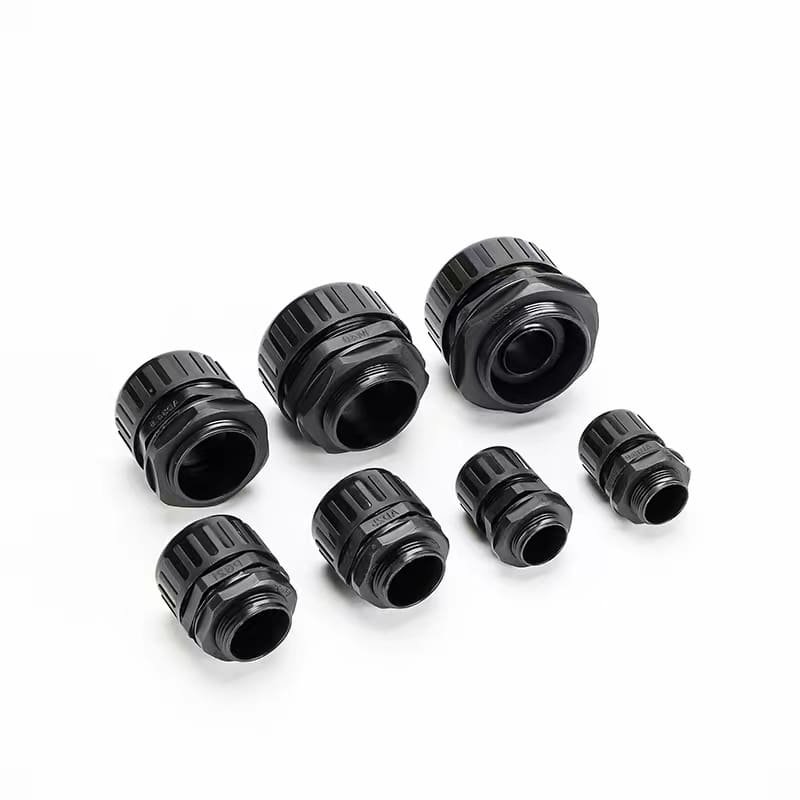
Nothing frustrates me more than receiving a panicked call from a customer who’s discovered their cable glands don’t fit their cables – especially when it’s 2 AM and production has stopped. After 10 years in the cable gland industry, I’ve seen this scenario play out hundreds of times, and it’s almost always preventable with proper size selection.
Wire gland size refers to the thread diameter and cable entry range of the gland, while cable diameter is the outer measurement of your cable including sheath and insulation. The key is matching the gland’s cable diameter range (typically expressed as minimum and maximum values) with your actual cable’s outer diameter, plus allowing for tolerance and future flexibility.
Just last month, David, a project manager from a UK manufacturing plant, ordered 200 M20 glands assuming they’d fit his 20mm cables. When they arrived, he discovered M20 refers to the thread size, not the cable diameter range. The M20 glands actually accommodate cables from 10-14mm diameter. His 20mm cables needed M32 glands instead. This guide will save you from similar costly mistakes! 😊
Table of Contents
- What’s the Difference Between Gland Size and Cable Diameter?
- How Do You Read Cable Gland Size Charts?
- What Are the Standard Metric and Imperial Size Ranges?
- How Much Tolerance Should You Allow for Proper Fit?
- What Happens When You Choose the Wrong Size?
- FAQs About Wire Gland Sizing
What’s the Difference Between Gland Size and Cable Diameter?
This fundamental confusion causes more sizing errors than any other factor in cable gland selection.
Gland size refers to the threaded entry dimension (M12, M16, M20, etc.) and corresponds to specific cable diameter ranges, while cable diameter is the actual outer measurement of your cable including all layers. Understanding this distinction is crucial because the gland size designation doesn’t directly indicate the cable diameter it accommodates.

Understanding Gland Size Nomenclature
Metric System (Most Common):
- M12, M16, M20, M25, M32, M40, M50, M63
- The number indicates thread outer diameter in millimeters
- Thread pitch is standardized (M20 x 1.5 means 20mm diameter, 1.5mm pitch1)
Imperial/NPT System:
- 1/2″, 3/4″, 1″, 1-1/4″, 1-1/2″, 2″
- Based on nominal pipe thread sizes2
- Actual dimensions differ from nominal designations
PG System (European):
- PG7, PG9, PG11, PG13.5, PG16, PG21, PG29
- Panzer-Gewinde (armor thread) standard3
- Gradually being replaced by metric system
Cable Diameter Fundamentals
Cable diameter encompasses several layers:
- Conductor Core: Copper or aluminum wires
- Insulation: PVC, XLPE, or other dielectric materials
- Sheath/Jacket: Outer protective layer
- Armor (if present): Steel wire or tape armor
- Outer Sheath: Final protective covering
At Bepto, we always recommend measuring the complete outer diameter including all layers. I’ve seen too many installations fail because someone measured only the conductor or forgot to account for the outer sheath thickness.
The Critical Relationship
The relationship between gland size and cable diameter follows standardized ranges:
| Metric Gland Size | Cable Diameter Range | Imperial Equivalent |
|---|---|---|
| M12 | 3-6.5mm | ~1/8″ – 1/4″ |
| M16 | 4-10mm | ~5/32″ – 3/8″ |
| M20 | 6-14mm | ~1/4″ – 9/16″ |
| M25 | 13-18mm | ~1/2″ – 11/16″ |
| M32 | 15-25mm | ~5/8″ – 1″ |
How Do You Read Cable Gland Size Charts?
Mastering size chart interpretation is essential for accurate gland selection and avoiding costly mistakes.
Cable gland size charts display the relationship between thread size, cable diameter range, and panel cutout dimensions in a standardized format. Reading these charts correctly ensures proper fit, sealing performance, and installation success.
Standard Chart Components
Column 1: Thread Size
- Metric (M12, M16, M20…)
- Imperial (1/2″, 3/4″, 1″…)
- PG (PG7, PG9, PG11…)
Column 2: Cable Diameter Range
- Minimum diameter (tight fit limit)
- Maximum diameter (maximum accommodation)
- Sometimes expressed as single range (6-12mm)
Column 3: Panel Cutout
- Hole diameter required in panel/enclosure
- Critical for proper threading and sealing
Column 4: Hex Size (Optional)
- Wrench size for installation
- Important for access-limited installations
Reading Best Practices
When I train new engineers at Bepto, I emphasize these chart reading principles:
- Always check both minimum and maximum ranges
- Verify your cable falls within the middle 70% of the range
- Cross-reference panel cutout requirements
- Consider future cable changes or additions
- Account for cable tolerance variations
Hassan, a facility manager at a Saudi petrochemical plant, learned this lesson the hard way. He selected glands based only on maximum diameter, choosing the smallest possible size. When cable suppliers changed specifications slightly, half his glands no longer fit. Now he always selects glands where his cable diameter falls in the middle of the accommodation range.
Common Chart Variations
Different manufacturers may present information differently:
- Single Range: “6-12mm” (most common)
- Optimal Range: “8-10mm” with extended range “6-12mm”
- Multiple Cable Types: Separate ranges for different cable constructions
- Environmental Ratings: IP ratings at different diameter points
What Are the Standard Metric and Imperial Size Ranges?
Understanding both metric and imperial sizing systems is crucial for global projects and equipment compatibility.
Metric sizing dominates modern installations with M-thread designations, while imperial NPT sizing remains common in North American and oil/gas applications. Each system has specific diameter ranges and threading standards that aren’t directly interchangeable.
Comprehensive Metric Size Chart
| Gland Size | Cable Range (mm) | Panel Cutout | Common Applications |
|---|---|---|---|
| M12 x 1.5 | 3-6.5 | 12mm | Sensor cables, small control |
| M16 x 1.5 | 4-10 | 16mm | Instrumentation, small power |
| M20 x 1.5 | 6-14 | 20mm | Standard control cables |
| M25 x 1.5 | 13-18 | 25mm | Medium power cables |
| M32 x 1.5 | 15-25 | 32mm | Large control, small power |
| M40 x 1.5 | 22-32 | 40mm | Power distribution |
| M50 x 1.5 | 28-38 | 50mm | Heavy power cables |
| M63 x 1.5 | 37-50 | 63mm | Large power applications |
Imperial/NPT Size Standards
| NPT Size | Cable Range (inches) | Cable Range (mm) | Panel Cutout |
|---|---|---|---|
| 1/2″ NPT | 0.24-0.51 | 6.1-13.0 | 20.6mm |
| 3/4″ NPT | 0.39-0.75 | 9.9-19.1 | 26.7mm |
| 1″ NPT | 0.63-1.05 | 16.0-26.7 | 33.4mm |
| 1-1/4″ NPT | 0.85-1.38 | 21.6-35.1 | 42.2mm |
| 1-1/2″ NPT | 1.05-1.77 | 26.7-45.0 | 48.0mm |
| 2″ NPT | 1.38-2.17 | 35.1-55.1 | 60.3mm |
Regional Preferences and Standards
Europe/Asia: Predominantly metric (M-thread)
- IEC 62444 standard compliance
- CE marking requirements4
- IP68/IP69K ratings standard
North America: Mixed metric/imperial
- UL listing requirements
- NEMA enclosure compatibility5
- NPT threading in oil/gas
Middle East/Africa: Typically metric
- Following European standards
- Increasing adoption of IEC standards
- Climate-specific requirements
Conversion Considerations
When converting between systems, remember:
- Thread pitch differs between systems
- Sealing mechanisms may vary
- Panel cutouts aren’t directly convertible
- Certification requirements may differ
At Bepto, we maintain inventory in both systems and can provide conversion guidance for mixed installations. Our engineering team has developed cross-reference charts that account for these nuances.
How Much Tolerance Should You Allow for Proper Fit?
Proper tolerance planning prevents installation failures and ensures long-term sealing performance.
Industry best practice recommends selecting glands where your cable diameter falls within 60-80% of the gland’s accommodation range, allowing for cable tolerance variations, temperature expansion, and potential future cable changes. This approach ensures optimal sealing compression and installation flexibility.
The Science of Proper Fit
Optimal gland performance requires balanced compression:
- Too Tight: Excessive compression can damage cable sheath
- Too Loose: Insufficient sealing, potential IP rating failure
- Optimal Zone: 60-80% of diameter range provides ideal compression
Tolerance Factors to Consider
Cable Manufacturing Tolerance:
- Standard cables: ±5% diameter variation
- Specialty cables: Up to ±10% variation
- Armored cables: Additional tolerance for armor lay
Environmental Factors:
- Temperature expansion: 2-3% diameter change possible
- Humidity effects on cable sheath
- UV degradation causing dimensional changes
Installation Variables:
- Cable pulling stress effects
- Bend radius impacts on oval deformation
- Installation temperature vs operating temperature
Practical Tolerance Guidelines
| Application Type | Recommended Position in Range | Reason |
|---|---|---|
| Indoor, controlled environment | 60-70% | Minimal environmental stress |
| Outdoor installations | 65-75% | Temperature cycling considerations |
| Industrial/harsh environments | 70-80% | Maximum flexibility needed |
| Temporary installations | 50-60% | Easy removal requirements |
Real-World Example
A recent project with a German automotive supplier illustrates this perfectly. They had 16mm diameter cables and initially wanted M20 glands (6-14mm range). At 16mm, they exceeded the maximum range. I recommended M25 glands (13-18mm range), positioning their 16mm cables at 60% of the range. This provided:
- Proper sealing compression
- Room for cable tolerance
- Future flexibility for cable changes
- Optimal long-term performance
What Happens When You Choose the Wrong Size?
Understanding the consequences of improper sizing helps emphasize the importance of correct selection.
Incorrect gland sizing leads to compromised IP ratings, installation difficulties, potential safety hazards, and costly rework. The impacts range from minor inconvenience to complete system failure, depending on the application and environment.
Undersized Gland Problems
Immediate Issues:
- Cable won’t fit through gland opening
- Forced installation damages cable sheath
- Excessive compression stress on conductors
- Impossible to achieve proper thread engagement
Long-term Consequences:
- Premature cable failure from stress concentration
- Conductor damage from over-compression
- Potential fire hazards from damaged insulation
- Warranty voids due to improper installation
Oversized Gland Problems
Sealing Failures:
- Insufficient compression on sealing elements
- IP rating degradation or complete failure
- Water/dust ingress leading to equipment damage
- Potential explosive atmosphere safety violations
Mechanical Issues:
- Inadequate strain relief performance
- Cable movement under vibration
- Loosening of gland components over time
- EMC shielding discontinuity
Case Study: Offshore Platform Failure
Last year, I consulted on a North Sea offshore platform where oversized glands caused a cascade of problems. The electrical contractor chose M32 glands for 12mm cables (should have been M20) to “provide extra room.” Within six months:
- Salt water ingress damaged control systems
- Three pump failures from corroded connections
- €50,000 in emergency repairs
- Two weeks of reduced production
The root cause? Insufficient sealing compression allowed salt spray penetration. Proper M20 glands would have prevented the entire incident.
Financial Impact Analysis
| Problem Type | Typical Cost Range | Time Impact |
|---|---|---|
| Wrong size delivery | €500-5,000 | 1-2 weeks delay |
| Installation rework | €2,000-20,000 | 2-4 weeks |
| Equipment damage | €10,000-100,000+ | 1-6 months |
| Safety incidents | €50,000-1,000,000+ | Months to years |
Prevention Strategies
At Bepto, we’ve developed a verification process to prevent sizing errors:
- Double-check measurements with calibrated tools
- Verify cable specifications with manufacturer data
- Consider environmental factors in selection
- Plan for future modifications and expansions
- Use our technical support for complex applications
Conclusion
Proper wire gland sizing isn’t just about making cables fit – it’s about ensuring safe, reliable, long-term performance of your electrical installations. The relationship between gland size and cable diameter involves multiple factors: thread dimensions, cable accommodation ranges, environmental tolerances, and installation requirements.
Remember the key principles: measure accurately, allow proper tolerance, consider environmental factors, and plan for the future. Whether you’re working with metric M-threads, imperial NPT sizes, or legacy PG systems, the fundamentals remain the same – match your cable diameter to the appropriate gland range with adequate safety margin.
At Bepto Connector, we’ve helped thousands of engineers avoid costly sizing mistakes through proper selection guidance and comprehensive technical support. When in doubt, consult with experts who understand both the technical requirements and real-world applications.
FAQs About Wire Gland Sizing
Q: How do I measure cable diameter for gland selection?
A: Measure the complete outer diameter including all layers (conductors, insulation, sheath, armor if present) using calibrated calipers. Take measurements at multiple points and use the largest reading to account for cable variations and oval deformation.
Q: Can I use a larger gland size if I’m between two standard sizes?
A: Generally no – choose the smaller size where your cable fits within the upper range. Oversized glands compromise sealing performance and IP ratings. If you’re exactly between sizes, consult manufacturer specifications for optimal positioning within the range.
Q: What’s the difference between M20 thread size and 20mm cable diameter?
A: M20 refers to the 20mm thread diameter of the gland, not the cable size it accommodates. M20 glands typically fit cables from 6-14mm diameter. Always check the cable accommodation range, not just the thread size designation.
Q: How much extra room should I leave for cable diameter tolerance?
A: Position your cable diameter at 60-80% of the gland’s accommodation range. For a gland rated 10-20mm, a 16mm cable (80% of range) provides optimal sealing and tolerance for variations, while a 12mm cable (60%) offers maximum flexibility.
Q: Are metric and imperial gland sizes interchangeable?
A: No, metric and imperial glands have different thread pitches, sealing mechanisms, and panel cutout requirements. M20 metric and 3/4″ NPT may seem similar but require different installation approaches and aren’t directly substitutable.
-
“ISO metric screw thread”,
https://en.wikipedia.org/wiki/ISO_metric_screw_thread. Details the dimensional specifications and thread pitch standards for metric mechanical connections. Evidence role: mechanism; Source type: research. Supports: M20 x 1.5 meaning 20mm diameter and 1.5mm pitch. ↩ -
“National pipe thread”,
https://en.wikipedia.org/wiki/National_pipe_thread. Defines the technical specifications and sizing conventions for US standard threaded pipes and fittings. Evidence role: standard; Source type: research. Supports: Imperial sizes being based on nominal pipe thread dimensions. ↩ -
“Panzergewinde”,
https://en.wikipedia.org/wiki/Panzergewinde. Explains the historical European technical standard for electrical conduit threading. Evidence role: standard; Source type: research. Supports: PG system corresponding to the Panzer-Gewinde armor thread standard. ↩ -
“CE marking”,
https://single-market-economy.ec.europa.eu/single-market/ce-marking_en. Official European Commission documentation on health, safety, and environmental protection conformity. Evidence role: standard; Source type: government. Supports: European market CE marking requirements for components. ↩ -
“NEMA Enclosures”,
https://www.nema.org/products/enclosures. National Electrical Manufacturers Association standards for electrical enclosure protection levels. Evidence role: standard; Source type: standard. Supports: North American NEMA enclosure compatibility requirements. ↩
