


Last month, Marcus, a maintenance engineer from a petrochemical plant in Houston, called me with an urgent problem. “Samuel, we have dozens of unused cable entry points in our control panels that are letting in dust and moisture. Our electrical systems are failing, and we need a solution fast!”
Stopping plugs and blanking plugs are essential sealing components that close unused cable entry points in electrical enclosures, providing IP-rated protection against dust, moisture, and environmental contaminants1 while maintaining the integrity of the enclosure’s safety rating. These simple yet critical components prevent costly equipment failures and ensure compliance with electrical safety standards.
After I recommended our IP68-rated nylon stopping plugs, Marcus’s facility has operated for over 8 months without a single moisture-related electrical failure. The investment of just $200 in proper blanking plugs saved them thousands in equipment replacement costs. Let me share everything you need to know about these essential cable management components.
Table of Contents
- What Are Stopping Plugs and Blanking Plugs?
- Why Do You Need Stopping Plugs in Electrical Installations?
- What Types of Stopping Plugs Are Available?
- How to Choose the Right Stopping Plug for Your Application?
- What Are the Installation Best Practices?
- FAQs About Stopping Plugs and Blanking Plugs
What Are Stopping Plugs and Blanking Plugs?
Stopping plugs and blanking plugs are threaded sealing devices designed to close unused cable entry points in electrical enclosures, junction boxes, and control panels. They maintain the original IP rating of the enclosure while preventing environmental contamination.

These components serve as the final line of defense for your electrical systems. Think of them as protective caps that seal vulnerable entry points – just like how you’d cap unused water pipes to prevent leaks, stopping plugs prevent moisture, dust, and contaminants from entering your electrical equipment.
Key Components and Design Features
Modern stopping plugs incorporate several critical design elements:
Threaded Body: Provides secure mechanical attachment to the enclosure’s threaded entry point, ensuring the plug cannot be accidentally dislodged.
Sealing Elements: O-rings or gaskets create watertight seals that maintain the enclosure’s IP rating, typically IP65, IP66, or IP68 depending on the application.
Tool Engagement: Hex socket or slotted designs allow for proper installation torque using standard tools, ensuring optimal sealing performance.
Material Selection: Various materials including nylon, brass, and stainless steel provide compatibility with different environmental conditions and chemical exposures.
The Critical Role in Electrical Safety
At Bepto, we’ve seen firsthand how proper sealing affects system reliability. Stopping plugs prevent three major failure modes:
- Moisture Ingress: Water penetration leads to corrosion, short circuits, and insulation breakdown
- Dust Accumulation: Particulate contamination causes overheating and component wear
- Pest Intrusion: Insects and small animals can cause catastrophic short circuits
Why Do You Need Stopping Plugs in Electrical Installations?
Unused cable entry points are the weakest links in any electrical enclosure system, creating pathways for environmental contamination that can cause equipment failure, safety hazards, and regulatory compliance issues.
The Hidden Costs of Unsealed Entry Points
Many engineers underestimate the impact of leaving cable entries open. Here’s what we’ve observed across thousands of installations:
Equipment Failure Rates: Enclosures with unsealed entries experience 3-5 times higher failure rates compared to properly sealed systems.
Maintenance Costs: Contamination-related repairs typically cost 10-15 times more than preventive sealing measures.
Downtime Impact: Unplanned shutdowns due to moisture or dust ingress can cost industrial facilities $50,000-$200,000 per hour in lost production.
Regulatory and Safety Requirements
Most electrical codes and standards require proper sealing of unused entries:
- IEC 60529: Specifies IP rating requirements for electrical enclosures
- NEMA Standards: Define environmental protection levels for North American applications2
- ATEX Directives: Mandate explosion-proof sealing in hazardous areas3
- UL Standards: Require maintained safety ratings for listed enclosures
I remember working with Hassan, the operations manager at a chemical processing facility in Dubai. His team was facing repeated equipment failures in their outdoor control panels. After conducting a site survey, we discovered over 200 unsealed cable entries across their facility. The solution was straightforward – we provided IP68-rated brass stopping plugs for their harsh chemical environment. The result? Zero moisture-related failures in the 18 months since installation, and they passed their safety audit with flying colors! 😊
Environmental Protection Benefits
Proper sealing provides multiple layers of protection:
| Environmental Factor | Protection Level | Business Impact |
|---|---|---|
| Moisture/Rain | IP65-IP68 | Prevents corrosion and short circuits |
| Dust/Particles | IP6X rating | Reduces overheating and component wear |
| Chemical Vapors | Material compatibility | Extends equipment service life |
| Temperature Cycling | Thermal stability | Maintains seal integrity |
| UV Radiation | UV-stabilized materials | Prevents material degradation |
What Types of Stopping Plugs Are Available?
At Bepto, we manufacture a comprehensive range of stopping plugs to meet diverse application requirements, from basic indoor installations to extreme industrial environments.
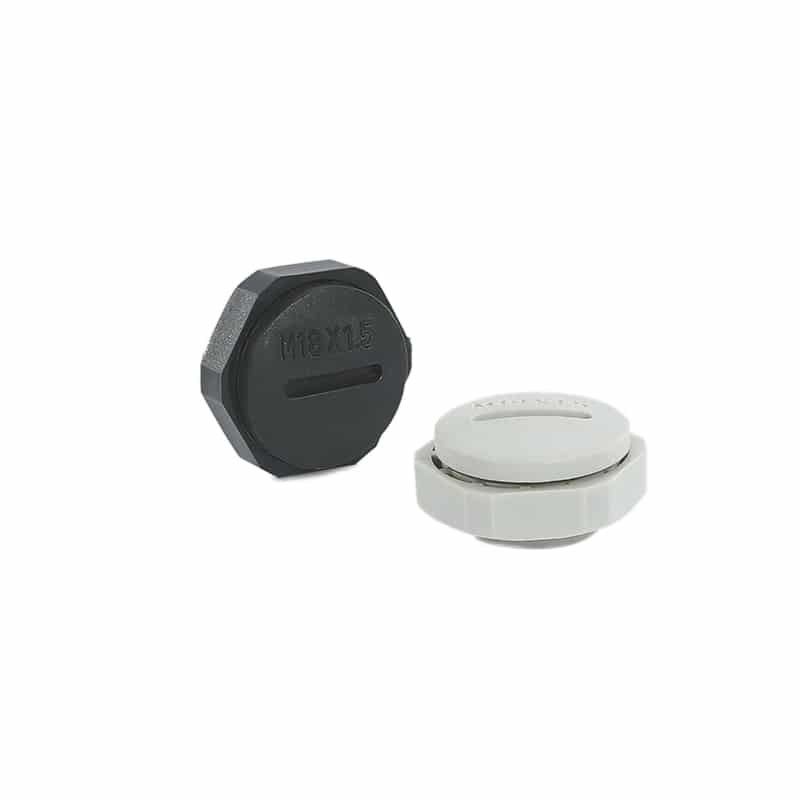
Nylon Stopping Plugs
Best for: General indoor applications, cost-sensitive projects
Our nylon stopping plugs offer excellent value for standard electrical installations:
Material Properties:
- Temperature range: -40°C to +100°C
- Chemical resistance: Good against oils, weak acids, and alkalis
- UV resistance: Available with UV stabilizers for outdoor use
- Flame rating: UL94 V-2 standard4
Thread Options: Metric (M12, M16, M20, M25, M32, M40, M50, M63) and NPT (1/2″, 3/4″, 1″, 1-1/4″, 1-1/2″, 2″)
IP Ratings: IP68 with proper installation
Applications: Control panels, junction boxes, switchgear, general industrial equipment
Brass Stopping Plugs
Best for: Outdoor installations, marine environments, high-temperature applications
Brass stopping plugs provide superior durability and environmental resistance:
Material Properties:
- Temperature range: -40°C to +120°C
- Corrosion resistance: Excellent in most environments
- Mechanical strength: Superior to plastic alternatives
- Conductivity: Provides EMC benefits in some applications
Surface Treatments: Nickel plated for enhanced corrosion protection
Sealing: EPDM or Viton O-rings for chemical compatibility
Applications: Marine equipment, outdoor telecommunications, chemical processing, high-vibration environments
Stainless Steel Stopping Plugs
Best for: Extreme environments, food processing, pharmaceutical applications
Our 316L stainless steel stopping plugs offer maximum durability5:
Material Properties:
- Temperature range: -40°C to +150°C
- Chemical resistance: Outstanding against acids, alkalis, and solvents
- Hygiene compliance: FDA and 3A sanitary standards
- Mechanical strength: Highest available
Applications: Food processing, pharmaceutical manufacturing, chemical plants, offshore platforms
Specialized Stopping Plugs
Explosion-Proof Versions: ATEX and IECEx certified for hazardous areas
EMC Stopping Plugs: Provide electromagnetic shielding
Vented Stopping Plugs: Allow pressure equalization while maintaining sealing
Quick-Release Designs: Tool-free installation for temporary applications
How to Choose the Right Stopping Plug for Your Application?
Selecting the optimal stopping plug requires careful consideration of environmental conditions, installation requirements, and long-term performance expectations.
Step 1: Determine Thread Specifications
Measure Existing Entries: Use thread gauges to identify metric or NPT threading
Standard Sizes: Most common sizes are M20, M25, M32 for metric and 3/4″, 1″ for NPT
Thread Pitch: Verify fine vs. coarse pitch requirements
Entry Depth: Ensure adequate thread engagement (minimum 5 full threads)
Step 2: Assess Environmental Requirements
Temperature Extremes: Consider both operating and storage temperature ranges
Chemical Exposure: Identify specific chemicals and concentrations
Moisture Conditions: Determine required IP rating (IP54, IP65, IP66, or IP68)
UV Exposure: Specify UV-stabilized materials for outdoor applications
Mechanical Stress: Consider vibration, impact, and thermal cycling
Step 3: Material Selection Matrix
| Environment | Recommended Material | Alternative Options | Key Considerations |
|---|---|---|---|
| Indoor/Dry | Nylon | ABS, Polycarbonate | Cost-effectiveness |
| Outdoor/Weather | UV-Stabilized Nylon | Brass, Stainless Steel | UV resistance critical |
| Chemical Exposure | Stainless Steel 316L | CPVC, PVDF | Chemical compatibility testing |
| High Temperature | Brass | Stainless Steel | Continuous vs. intermittent exposure |
| Marine/Salt Spray | Stainless Steel 316L | Brass (nickel plated) | Corrosion resistance |
| Food/Pharma | Stainless Steel 316L | FDA-approved plastics | Regulatory compliance |
Step 4: Installation and Maintenance Considerations
Accessibility: Choose hex socket designs for tight spaces
Tool Requirements: Standard hex keys vs. specialized tools
Maintenance Schedule: Consider replacement intervals for harsh environments
Spare Parts: Plan inventory for critical applications
What Are the Installation Best Practices?
Proper installation is crucial for achieving the specified IP rating and ensuring long-term sealing performance of stopping plugs.
Pre-Installation Preparation
Thread Inspection: Clean threads and check for damage or debris
Gasket Verification: Ensure O-rings are properly seated and undamaged
Tool Selection: Use appropriate hex keys or installation tools
Torque Specifications: Reference manufacturer’s torque requirements
Installation Procedure
Step 1: Thread Preparation
- Clean entry threads with wire brush or compressed air
- Apply appropriate thread sealant if specified
- Inspect for cross-threading or damage
Step 2: Initial Threading
- Start plug by hand to prevent cross-threading
- Thread in clockwise direction until gasket contacts enclosure
- Do not over-tighten during initial threading
Step 3: Final Tightening
- Use appropriate hex key or tool
- Apply specified torque (typically 15-25 Nm for standard sizes)
- Verify gasket compression without over-compression
Step 4: Verification
- Check for proper gasket seating
- Verify plug is flush with enclosure surface
- Test IP rating if required by application
Common Installation Mistakes to Avoid
❌ Over-tightening: Can damage threads or compress gaskets excessively
❌ Cross-threading: Destroys thread integrity and sealing capability
❌ Wrong gasket material: Reduces chemical compatibility and service life
❌ Insufficient cleaning: Debris prevents proper sealing
❌ Missing thread sealant: May be required for certain applications
Quality Verification
After installation, verify:
- Proper torque application
- Gasket compression without damage
- No visible gaps or misalignment
- Compliance with IP rating requirements
Conclusion
Stopping plugs and blanking plugs are small components that play a huge role in electrical system reliability and safety. Whether you’re managing a single control panel or a massive industrial facility, proper sealing of unused cable entries is essential for preventing costly failures and maintaining regulatory compliance.
At Bepto, we’ve helped thousands of customers worldwide solve their sealing challenges with our comprehensive range of stopping plugs. From cost-effective nylon solutions for indoor applications to high-performance stainless steel plugs for extreme environments, we have the expertise and products to ensure your electrical systems stay protected.
Remember, the cost of proper sealing is always less than the cost of equipment failure. Don’t let unsealed entries compromise your electrical systems – choose the right stopping plugs from the start and install them properly for years of reliable protection.
FAQs About Stopping Plugs and Blanking Plugs
Q: What’s the difference between stopping plugs and blanking plugs?
A: The terms are often used interchangeably, but stopping plugs typically refer to threaded sealing devices while blanking plugs can include non-threaded closure methods. Both serve the same purpose of sealing unused cable entry points in electrical enclosures.
Q: How do I know what thread size stopping plug I need?
A: Measure the internal diameter of your cable entry and use a thread gauge to identify metric or NPT threading. Common sizes include M20 (20mm), M25 (25mm), and NPT 3/4″ threads. When in doubt, contact our technical team for sizing assistance.
Q: Can I reuse stopping plugs after removal?
A: Yes, quality stopping plugs can typically be reused if the threads and gaskets are undamaged. However, inspect O-rings carefully and replace if they show signs of wear, cracking, or permanent deformation to maintain proper sealing.
Q: What IP rating can I achieve with stopping plugs?
A: Properly installed stopping plugs can maintain the original IP rating of your enclosure, typically IP65, IP66, or IP68. The actual rating depends on the plug design, gasket material, and correct installation torque.
Q: Do I need different materials for outdoor vs indoor applications?
A: Yes, outdoor applications require UV-stabilized materials or metal construction to prevent degradation from sunlight exposure. Indoor applications can use standard nylon or plastic materials for cost-effectiveness while still providing excellent sealing performance.
-
“IEC 60529:1989+AMD1:1999+AMD2:2013 CSV”,
https://webstore.iec.ch/en/publication/2452. IEC 60529 defines the IP Code classification system for degrees of protection provided by electrical enclosures against access, solid foreign objects, and water. Evidence role: general_support; Source type: standard. Supports: IP-rated protection against dust, moisture, and environmental contaminants. ↩ -
“Enclosures for Electrical Equipment (1,000 Volts Maximum)”,
https://www.nema.org/standards/view/enclosures-for-electrical-equipment-%281-000-volts-maximum%29. NEMA describes enclosure requirements for indoor, outdoor, and hazardous locations and states that the standard covers protection against specified environmental conditions. Evidence role: general_support; Source type: industry. Supports: NEMA Standards: Define environmental protection levels for North American applications. ↩ -
“Equipment for potentially explosive atmospheres (ATEX)”,
https://single-market-economy.ec.europa.eu/sectors/mechanical-engineering/equipment-potentially-explosive-atmospheres-atex_en. The European Commission explains that ATEX Directive 2014/34/EU applies to equipment and protective systems intended for use in potentially explosive atmospheres. Evidence role: general_support; Source type: government. Supports: ATEX Directives: Mandate explosion-proof sealing in hazardous areas. ↩ -
“Combustion (Fire) Tests for Plastics”,
https://www.ul.com/services/combustion-fire-tests-plastics. UL Solutions describes UL 94 plastic flammability test methods and the V-0, V-1, and V-2 vertical burning classifications. Evidence role: general_support; Source type: industry. Supports: UL94 V-2 standard. ↩ -
“Selection of 316, 304 and 303 types of stainless steels for seawater applications”,
https://bssa.org.uk/bssa_articles/selection-of-316-304-and-303-types-of-stainless-steels-for-seawater-applications/. The British Stainless Steel Association explains where 316 stainless steels are used in marine service and notes the conditions that affect corrosion resistance. Evidence role: general_support; Source type: industry. Supports: 316L stainless steel stopping plugs offer maximum durability. Scope note: Source supports 316/316L corrosion-resistance selection for demanding environments but also cautions that seawater service depends on exposure conditions and design details. ↩
