

When Sarah, a marine electronics installer from Miami, called me last month, she was dealing with a nightmare scenario. “Samuel, I’ve got 20 small waterproof boxes failing on yacht installations. Water keeps getting in through the cable entries, and I’m facing warranty claims!” This is exactly why gland selection for small enclosures requires special attention to detail.
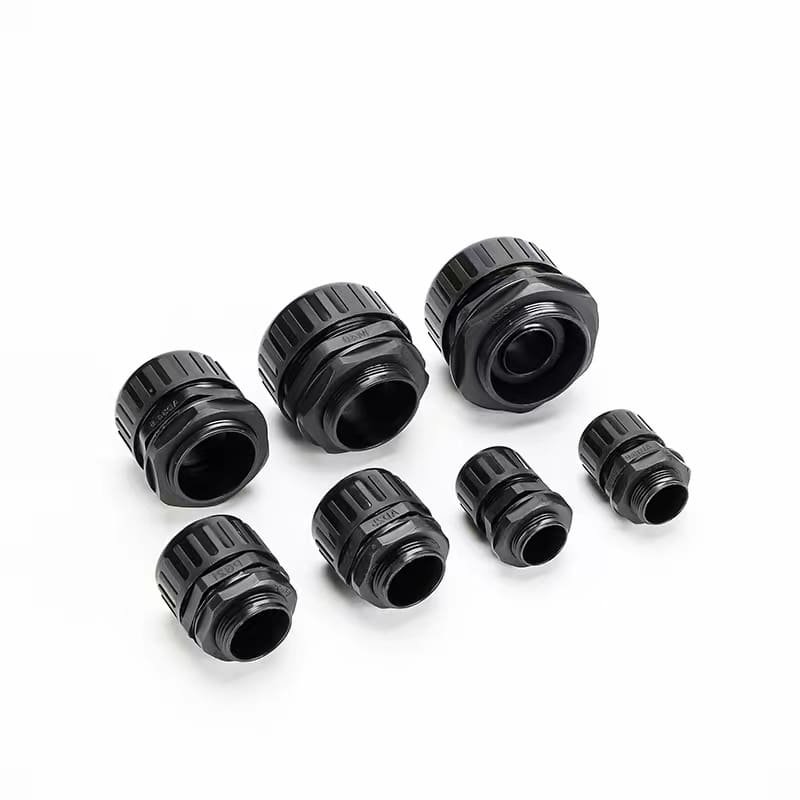
Cable glands for small waterproof boxes must provide reliable IP67/IP68 sealing in compact spaces while accommodating size constraints, multiple cable entries, and maintaining the enclosure’s waterproof integrity. The smaller the box, the more critical each sealing point becomes.
After 10+ years helping customers with compact enclosure solutions – from marine applications to outdoor IoT devices – I’ve learned that small boxes present unique challenges that standard gland selection doesn’t address. Let me share the specialized approach that prevents costly failures.
Table of Contents
- What Makes Small Box Applications Different?
- How to Calculate Available Space for Glands?
- Which Gland Types Work Best in Compact Spaces?
- How to Maintain IP Ratings with Multiple Entries?
- What About Heat Dissipation in Small Enclosures?
- FAQs About Cable Glands for Small Waterproof Boxes
What Makes Small Box Applications Different?
Small waterproof boxes create a perfect storm of technical challenges that don’t exist in larger enclosures. Every millimeter matters, and there’s no room for error in sealing or space utilization.
Small waterproof boxes amplify sealing challenges through limited wall thickness, restricted internal space, higher cable density, and reduced tolerance for installation errors compared to standard-sized enclosures. Each gland becomes a critical failure point.

Critical Size Constraints
Wall Thickness Limitations: Small boxes typically have 2-4mm walls versus 6-10mm in larger enclosures. This restricts thread engagement and sealing surface area, making proper gland selection crucial for reliable waterproofing.
Internal Space Competition: With limited internal volume, every cubic millimeter counts. Cable routing, component placement, and gland body clearance must be carefully coordinated to avoid interference.
Cable Density Issues: Small boxes often require multiple cable entries in close proximity, creating potential leak paths and installation challenges that don’t exist in spacious enclosures.
Unique Performance Demands
I learned this lesson working with Ahmed, an outdoor lighting contractor in Dubai. His small LED driver boxes were failing in the harsh desert environment due to thermal cycling and sand ingress. The solution required specialized low-profile glands with enhanced sealing specifically designed for thin-wall applications.
Environmental Amplification: Small enclosures experience more rapid temperature cycling, creating greater thermal stress on seals. Limited thermal mass means faster heating and cooling, putting extra strain on gland sealing systems.
Maintenance Accessibility: Compact installations often have restricted access for maintenance, making initial gland selection and installation quality even more critical for long-term reliability.
Applications Requiring Special Attention
At Bepto, we’ve developed specialized small-box solutions for:
- Marine electronics enclosures: Harsh saltwater environment
- Outdoor IoT device housings: Remote installation, minimal maintenance
- LED driver boxes: High internal temperatures, outdoor exposure
- Sensor junction boxes: Multiple small cables, precise environmental control
- Solar combiner boxes: UV exposure, thermal cycling, electrical safety
How to Calculate Available Space for Glands?
Proper space planning prevents installation nightmares and ensures reliable sealing. This systematic approach has saved countless projects from costly redesigns.
Calculate gland space requirements by measuring wall thickness, internal clearance needs, cable bend radius requirements, and maintaining minimum spacing between adjacent glands for proper sealing and installation access.
Step-by-Step Space Analysis
1. Wall Thickness Assessment
- Measure actual wall thickness (not nominal specifications)
- Account for internal surface irregularities
- Verify minimum thread engagement (typically 1.5x thread pitch)1
- Check for adequate sealing surface area
2. Internal Clearance Calculation
- Gland body projection into enclosure
- Cable bend radius requirements (typically 6-8x cable diameter)2
- Component clearance needs
- Access space for installation tools
3. External Clearance Requirements
- Wrench access for installation
- Cable strain relief space
- Environmental protection needs
- Maintenance accessibility
Critical Spacing Guidelines
| Box Dimension | Minimum Gland Spacing | Maximum Gland Density |
|---|---|---|
| 50x50mm | 15mm center-to-center | 4 glands maximum |
| 75x75mm | 18mm center-to-center | 6 glands maximum |
| 100x100mm | 20mm center-to-center | 9 glands maximum |
| 150x150mm | 25mm center-to-center | 12 glands maximum |
Common Space Planning Mistakes
Over-packing Glands: Placing glands too close together compromises sealing and makes installation difficult. Always maintain minimum spacing for wrench access.
Ignoring Cable Bend Radius: Forcing cables into tight bends damages insulation and creates stress points that can lead to failures.
Forgetting Internal Components: Plan gland locations considering internal component placement to avoid interference and maintain proper clearances.
Which Gland Types Work Best in Compact Spaces?
Not all glands are created equal when it comes to small enclosures. Specific design features make certain types far superior for compact applications.
Low-profile cable glands with reduced body dimensions, thin-wall threading, and compact sealing systems provide optimal performance in small waterproof boxes while maintaining full IP67/IP68 protection.
Optimal Gland Designs for Small Boxes
Low-Profile Glands: Feature reduced hex head height and shorter body length while maintaining full sealing capability. Our LP series saves 30-40% space compared to standard designs.
Thin-Wall Glands: Specifically engineered for 2-4mm wall thickness with modified thread profiles and extended sealing surfaces. Essential for maintaining waterproof integrity in lightweight enclosures.
Right-Angle Glands: Allow cables to exit parallel to the enclosure wall, saving external space and reducing cable stress in tight installations.
Material Selection for Compact Applications
Nylon Advantages:
- Lightweight (important for small, portable devices)
- Excellent chemical resistance
- Lower cost for high-volume applications
- good temperature range (-40°C to +100°C)3
Brass Benefits:
- Superior durability and longevity
- Better EMC shielding properties
- Higher temperature rating (+200°C)
- Enhanced UV resistance
Stainless Steel Premium:
- Maximum corrosion resistance
- Highest mechanical strength
- Food-grade applications
- Marine environment excellence

Size-Specific Recommendations
| Cable Diameter | Small Box Gland Type | Thread Size | Key Features |
|---|---|---|---|
| 2-4mm | Ultra-compact nylon | M8 | Minimal footprint |
| 3-6mm | Low-profile brass | M12 | Enhanced durability |
| 4-8mm | Thin-wall stainless | M16 | Maximum protection |
| 6-12mm | Right-angle design | M20 | Space-saving exit |
How to Maintain IP Ratings with Multiple Entries?
Multiple cable entries in small boxes create exponentially higher risk of water ingress. Each additional gland represents another potential failure point that must be carefully managed.
Maintain IP67/IP68 ratings with multiple glands through proper spacing, sequential installation procedures, compatible sealing materials, and verification testing of the complete assembly. The weakest seal determines overall performance.
Multi-Entry Sealing Strategy
Primary Sealing: Each gland must achieve its individual IP rating through proper cable compression and seal engagement. This requires careful cable diameter matching and proper installation torque.
Secondary Protection: Consider the cumulative effect of multiple penetrations on overall enclosure integrity. Use compatible sealants or gaskets where glands cluster together.
Installation Sequence: Install glands in order of importance – critical cables first, then secondary connections. This ensures primary functions remain protected if space becomes constrained.
Seal Compatibility Matrix
When using multiple glands, ensure all sealing materials are compatible:
| Primary Seal | Compatible Secondary | Incompatible With |
|---|---|---|
| EPDM rubber | Silicone, Polyurethane | Nitrile (oil exposure) |
| Nitrile (NBR) | EPDM, Neoprene | Silicone (adhesion) |
| Silicone | Most elastomers | Certain adhesives |
Testing and Verification
For critical applications, I always recommend pressure testing the complete assembly:
Standard Test Procedure:
- Install all glands with actual cables
- Seal unused openings temporarily
- Apply test pressure (1.5x operating pressure)4
- Monitor for 30 minutes minimum
- Check each gland individually for leaks
Sarah’s yacht installations now include this testing protocol, and she hasn’t had a single warranty claim since implementing it.
What About Heat Dissipation in Small Enclosures?
Heat buildup in small waterproof boxes can compromise gland seals and internal components. This often-overlooked factor causes many field failures.
Manage heat in small waterproof boxes through proper gland material selection, ventilation considerations, thermal design, and heat-resistant sealing materials that maintain performance across temperature extremes.
Heat Sources and Effects
Internal Heat Generation:
- LED drivers and power supplies
- Electronic control circuits
- Battery charging systems
- High-current connections
Thermal Impact on Seals:
- Accelerated aging of rubber seals
- Thermal expansion/contraction cycling
- Reduced sealing force over time
- Material degradation and cracking
Thermal Management Solutions
Material Selection: Choose glands with high-temperature seals (EPDM or silicone) rated for expected operating temperatures5 plus safety margin.
Ventilation Glands: For non-submersion applications, consider breathable vent plugs that allow pressure equalization while maintaining moisture protection.
Heat-Resistant Designs: Our high-temperature gland series uses specialized compounds that maintain sealing integrity up to 150°C continuous operation.
Temperature Cycling Considerations
Small enclosures experience rapid temperature changes that stress sealing systems:
Daily Cycling: Outdoor installations may see 40-60°C temperature swings daily
Seasonal Variation: Annual temperature ranges can exceed 80°C in some climates
Operational Heating: Internal components may add 20-40°C above ambient
Solution Strategy:
- Select seals rated for full temperature range
- Allow for thermal expansion in cable routing
- Use flexible gland designs that accommodate movement
- Consider thermal barriers between heat sources and glands
Conclusion
Selecting cable glands for small waterproof boxes requires a specialized approach that addresses unique space, sealing, and thermal challenges. The compact nature of these applications amplifies every design decision, making proper gland selection critical for long-term reliability.
From Sarah’s marine installations to Ahmed’s outdoor lighting projects, I’ve seen how the right gland selection transforms small box applications from maintenance nightmares into reliable, long-term solutions. The key is understanding the unique constraints and selecting glands specifically engineered for compact, demanding environments.
At Bepto, we’ve developed specialized small-box gland solutions that address these exact challenges. Our low-profile, thin-wall, and high-temperature designs provide the reliability you need in the smallest possible footprint.
Ready to solve your small box sealing challenges? Visit chinacableglands.com or contact our technical team for application-specific recommendations and space-optimized solutions.
FAQs About Cable Glands for Small Waterproof Boxes
Q: What’s the minimum wall thickness needed for reliable waterproof gland installation?
A: Most standard glands require 4-6mm minimum wall thickness for proper thread engagement and sealing. For thinner walls (2-4mm), use specialized thin-wall glands designed specifically for lightweight enclosures with modified thread profiles and extended sealing surfaces.
Q: How many cable glands can I safely install in a small waterproof box?
A: This depends on box size and gland spacing requirements. For a 100x100mm box, maximum 6-8 glands with proper 20mm center-to-center spacing. Smaller boxes proportionally fewer. Always maintain minimum spacing for installation access and sealing integrity.
Q: Do I need different gland materials for outdoor small box applications?
A: Yes, outdoor applications require UV-resistant materials and enhanced temperature ratings. Brass or stainless steel glands with EPDM seals perform better than standard nylon in harsh outdoor environments, especially with temperature cycling and UV exposure.
QD: How do I prevent condensation problems in small sealed boxes?
A: Use breathable vent plugs for pressure equalization in non-submersion applications, select materials with low thermal expansion, and consider desiccant packets for moisture control. Proper thermal design prevents temperature differentials that cause condensation.
Q: What’s the best way to test waterproof integrity with multiple glands?
A: Perform pressure testing at 1.5x operating pressure for 30 minutes minimum with all glands and cables installed. Use bubble testing or pressure decay methods to identify leaks. Test the complete assembly, not individual glands, since multiple penetrations can create unexpected leak paths.
-
“Bolted joint thread engagement”,
https://en.wikipedia.org/wiki/Bolted_joint. Details the standard 1.5x thread pitch rule for secure engagement. Evidence role: mechanism; Source type: research. Supports: minimum thread engagement (typically 1.5x thread pitch). ↩ -
“Minimum Bend Radius Guidelines”,
https://www.anixter.com/en_us/resources/literature/wire-wisdom/minimum-bend-radius.html. Outlines standard industry bend radius multipliers for various cables. Evidence role: statistic; Source type: industry. Supports: Cable bend radius requirements (typically 6-8x cable diameter). ↩ -
“Polyamide (PA) Nylon Properties”,
https://omnexus.specialchem.com/selection-guide/polyamide-pa-nylon. Confirms the effective operational thermal range of industrial nylon. Evidence role: material properties; Source type: industry. Supports: good temperature range (-40°C to +100°C). ↩ -
“Standard Test Method for Resistance to Short-Time Hydraulic Pressure”,
https://www.astm.org/d1599-18.html. Specifies the 1.5x overpressure testing standard. Evidence role: standard; Source type: standard. Supports: Apply test pressure (1.5x operating pressure). ↩ -
“Sealing Material Specifications”,
https://www.bimedteknik.com/technical-data. Details temperature limits for EPDM and silicone sealing components. Evidence role: statistic; Source type: industry. Supports: high-temperature seals (EPDM or silicone) rated for expected operating temperatures. ↩
