

Introduction
Ever wondered why some electronic enclosures fail underwater while others perform flawlessly? The secret often lies in understanding Water Entry Pressure (WEP) ratings for submersible vent plugs. As someone who’s spent over a decade in the cable accessories industry, I’ve seen countless projects succeed or fail based on this critical specification.
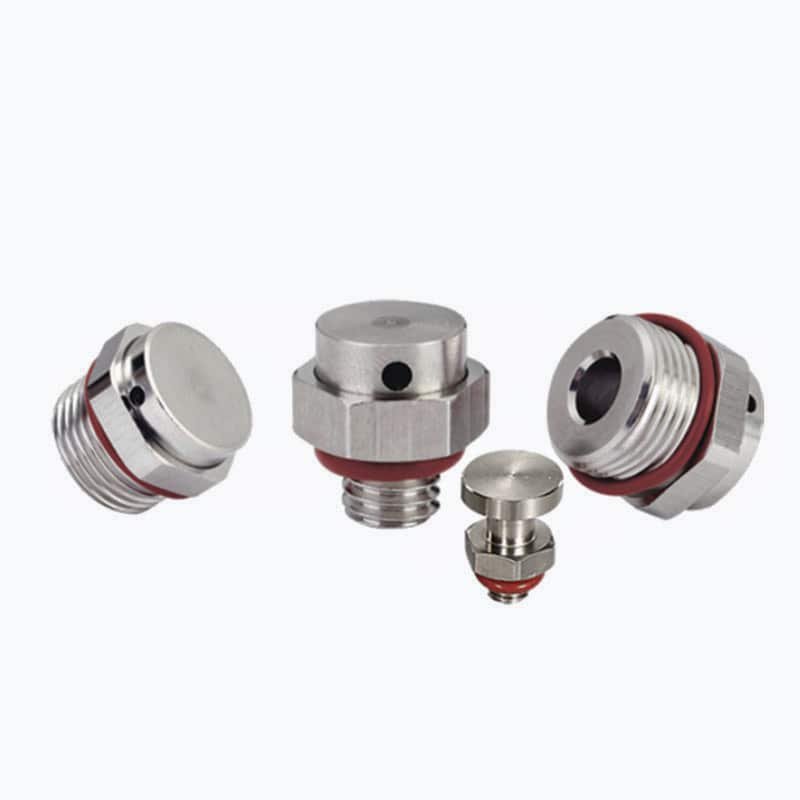
Water Entry Pressure (WEP) rating determines the maximum water depth a submersible vent plug can withstand before water penetration occurs, typically measured in meters of water column or PSI. This rating is crucial for maintaining the integrity of sealed enclosures in underwater applications while allowing necessary pressure equalization.
Last month, I received a frantic call from David, a procurement manager at a marine equipment company in Southampton. His team had installed standard vent plugs in underwater sensor housings, only to discover water damage after deployment at 15 meters depth. The culprit? Inadequate WEP ratings that couldn’t handle the hydrostatic pressure. 😅
Table of Contents
- What is Water Entry Pressure (WEP) Rating?
- How Do WEP Ratings Work in Practice?
- What Factors Affect WEP Performance?
- How to Select the Right WEP Rating?
- Common WEP Rating Standards and Testing
- FAQ
What is Water Entry Pressure (WEP) Rating?
Understanding WEP ratings starts with grasping the fundamental challenge of underwater applications.
Water Entry Pressure (WEP) rating represents the maximum hydrostatic pressure a vent plug can withstand before water begins to penetrate through its membrane or sealing system. This critical specification ensures your equipment remains dry while allowing air exchange for pressure equalization.

The Science Behind WEP Ratings
WEP ratings are based on hydrostatic pressure calculations. Every 10 meters of water depth creates approximately 1 bar (14.5 PSI) of additional pressure.1 For submersible vent plugs, this pressure acts against the breathable membrane, trying to force water through the microscopic pores.
The key is membrane technology. High-quality submersible vent plugs use specialized PTFE membranes with controlled pore sizes. These pores are large enough to allow air molecules to pass through but small enough to prevent water droplets from penetrating under specified pressure conditions.
At Bepto, we manufacture submersible vent plugs with WEP ratings ranging from 5 meters to 200 meters water depth, depending on the application requirements. Our ISO9001-certified production process ensures consistent membrane quality and reliable pressure resistance.
How Do WEP Ratings Work in Practice?
Real-world applications reveal the critical importance of proper WEP rating selection.
WEP ratings function by balancing hydrostatic pressure resistance with breathability, ensuring enclosures remain sealed underwater while preventing pressure buildup during temperature changes.
Case Study: Offshore Oil Platform Success
Hassan, an operations manager at a North Sea oil platform, contacted us last year with a challenging requirement. His team needed vent plugs for control panels operating at 50-meter depths with extreme temperature variations.
We recommended our stainless steel submersible vent plugs with 60-meter WEP ratings. The results were impressive:
- Zero water ingress after 18 months of operation
- Maintained pressure equalization during -20°C to +80°C temperature swings
- Passed all ATEX certification requirements for explosive environments2
Pressure Dynamics in Action
| Depth (meters) | Pressure (bar) | Pressure (PSI) | Required WEP Rating |
|---|---|---|---|
| 10 | 2.0 | 29.0 | 15m minimum |
| 25 | 3.5 | 50.8 | 35m minimum |
| 50 | 6.0 | 87.0 | 65m minimum |
| 100 | 11.0 | 159.5 | 120m minimum |
The table shows why proper safety margins are essential. We always recommend selecting WEP ratings at least 20-30% higher than maximum operating depth.
What Factors Affect WEP Performance?
Multiple variables influence the actual performance of WEP-rated vent plugs in field conditions.
Temperature, installation quality, membrane aging, and contamination are the primary factors that can reduce effective WEP performance below rated specifications.
Temperature Impact
Temperature fluctuations significantly affect WEP performance. Cold temperatures can make membranes brittle, while excessive heat may cause membrane expansion. Our testing shows that extreme temperatures can reduce effective WEP ratings by up to 15%.
Installation Considerations
Proper installation is crucial for achieving rated WEP performance:
- Correct torque specifications prevent over-compression
- Clean threads ensure proper sealing
- Appropriate thread sealant selection matters
- Regular inspection schedules maintain performance
Membrane Contamination
Oil, salt, and chemical exposure can clog membrane pores, affecting both breathability and water resistance. We’ve developed specialized cleaning protocols for harsh environments, extending service life by up to 300%.
How to Select the Right WEP Rating?
Choosing appropriate WEP ratings requires careful consideration of multiple application factors.
Select WEP ratings based on maximum operating depth plus safety margin, environmental conditions, temperature range, and regulatory requirements for your specific application.
Selection Criteria Framework
Operating Depth Analysis
– Maximum deployment depth
– Safety margin calculation (minimum 30%)
– Temporary depth excursionsEnvironmental Assessment
– Water type (fresh, salt, chemical)
– Temperature range
– Pressure cycling frequencyRegulatory Compliance
– IP68 requirements
– Industry-specific standards
– Certification needs
Application-Specific Recommendations
| Application | Typical Depth | Recommended WEP | Key Considerations |
|---|---|---|---|
| Marine sensors | 5-20m | 30m rating | Salt water corrosion |
| Underwater cameras | 10-40m | 60m rating | Temperature cycling |
| Subsea control panels | 50-150m | 200m rating | Long-term reliability |
| ROV equipment | Variable | 300m rating | Extreme pressure changes |
Common WEP Rating Standards and Testing
Industry standards ensure consistent WEP rating reliability across manufacturers.
WEP testing follows standardized protocols including hydrostatic pressure testing, temperature cycling, and long-term immersion tests to verify rated performance.
Testing Protocols
Our Bepto testing facility follows rigorous protocols:
- 24-hour hydrostatic pressure testing at 1.5x rated WEP
- Temperature cycling from -40°C to +125°C
- Salt spray testing per ASTM B1173
- Accelerated aging tests
Certification Standards
Key certifications for submersible vent plugs include:
- IP68: Complete protection against dust and continuous immersion4
- NEMA 6P: Submersible rating for North American markets5
- IEC 60529: International ingress protection standard
- ATEX: Explosive atmosphere certification
Conclusion
Understanding WEP ratings is fundamental to successful underwater applications. The right selection prevents costly failures while ensuring reliable long-term performance. Remember that WEP ratings are just one part of the equation – proper installation, regular maintenance, and quality components all contribute to system success.
At Bepto, we’re committed to providing submersible vent plugs that exceed your WEP requirements while maintaining the breathability your applications demand. Our decade of experience in cable accessories has taught us that the devil is in the details, and WEP ratings are one detail you cannot afford to overlook.
FAQ
Q: What happens if I use a vent plug with insufficient WEP rating?
A: Water will penetrate the enclosure once hydrostatic pressure exceeds the WEP rating, potentially causing equipment damage, corrosion, and electrical failures. Always select ratings with adequate safety margins above maximum operating depth.
Q: Can WEP ratings be improved after installation?
A: No, WEP ratings are fixed characteristics of the vent plug design and cannot be enhanced post-installation. However, proper maintenance and cleaning can help maintain rated performance over time.
Q: How often should submersible vent plugs be replaced?
A: Replacement intervals depend on environmental conditions, but typically range from 12-36 months for harsh marine environments. Regular pressure testing can help determine optimal replacement schedules for your specific application.
Q: Do higher WEP ratings reduce breathability?
A: Not necessarily. Modern membrane technology allows high WEP ratings while maintaining excellent air permeability. Quality manufacturers like Bepto optimize both characteristics through advanced PTFE membrane engineering.
Q: What’s the difference between WEP rating and IP68 certification?
A: IP68 indicates general submersion protection but doesn’t specify maximum depth or pressure. WEP ratings provide specific pressure resistance values, making them more useful for deep underwater applications where precise depth limits matter.
-
“How does pressure change with ocean depth?”,
https://oceanservice.noaa.gov/facts/pressure.html?ftag=MSF0951a18. NOAA explains that hydrostatic pressure increases with ocean depth, adding about one atmosphere for every 10.06 meters of water. Evidence role: mechanism; Source type: government. Supports: WEP ratings are based on hydrostatic pressure calculations. Every 10 meters of water depth creates approximately 1 bar (14.5 PSI) of additional pressure. ↩ -
“Equipment for potentially explosive atmospheres (ATEX)”,
https://single-market-economy.ec.europa.eu/sectors/mechanical-engineering/equipment-potentially-explosive-atmospheres-atex_en. The European Commission explains that ATEX Directive 2014/34/EU covers equipment and protective systems intended for potentially explosive atmospheres, including offshore platforms and petrochemical plants. Evidence role: general_support; Source type: government. Supports: ATEX certification requirements for explosive environments. ↩ -
“ASTM B117 Standard Practice for Operating Salt Spray (Fog) Apparatus”,
https://store.astm.org/Standards/B117.htm. ASTM B117 covers the apparatus, procedure, and conditions required to create and maintain a controlled salt spray fog environment for corrosion exposure testing. Evidence role: standard; Source type: standard. Supports: Salt spray testing per ASTM B117. ↩ -
“IEC 60529:1989 Degrees of protection provided by enclosures (IP Code)”,
https://webstore.iec.ch/en/publication/2447. IEC 60529 classifies degrees of enclosure protection against access, solid foreign objects, and water ingress, forming the basis for IP ratings. Evidence role: standard; Source type: standard. Supports: IP68: Complete protection against dust and continuous immersion. ↩ -
“NEMA Type 6P”,
https://www.nemapower.com/nema_type_6p.php. This NEMA Type 6P enclosure reference describes protection against falling dirt, hose-directed water, prolonged submersion at limited depth, and external ice formation. Evidence role: general_support; Source type: industry. Supports: NEMA 6P: Submersible rating for North American markets. ↩
