

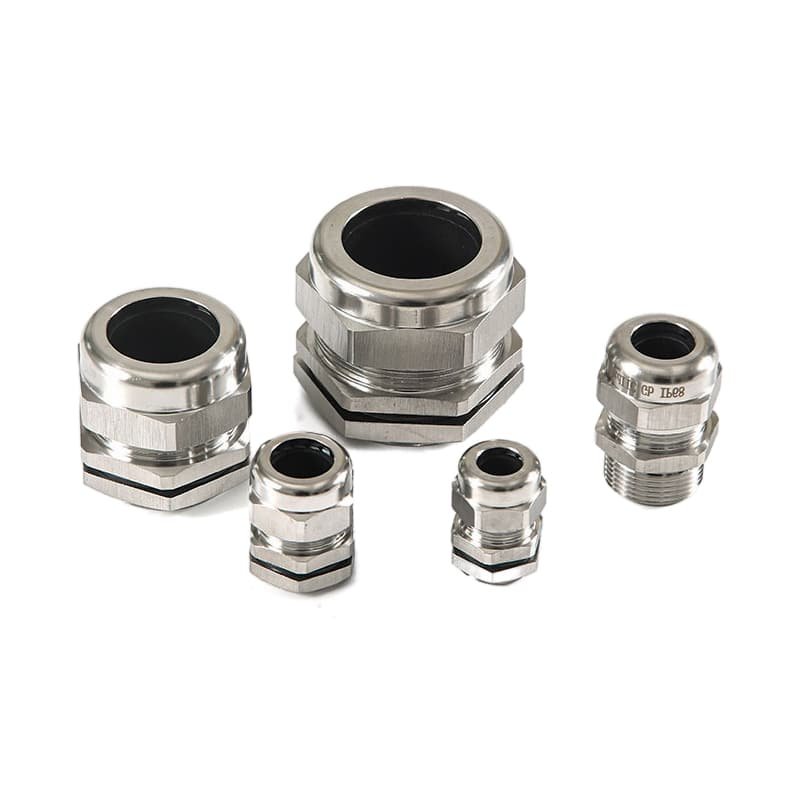
Choosing the wrong cable gland material costs industrial facilities thousands in equipment failures, safety violations, and unplanned downtime every year. Many engineers struggle with material selection, often defaulting to familiar options without considering environmental factors, cost implications, or long-term performance requirements that could make or break their installations. Stainless steel cable glands offer superior corrosion resistance and mechanical strength for harsh environments, brass cable glands provide excellent conductivity and durability for general industrial applications, while nylon cable glands deliver cost-effective solutions with good chemical resistance for standard installations – selecting the optimal material requires careful evaluation of environmental conditions, mechanical requirements, electrical properties, and total cost of ownership to ensure reliable long-term performance. After helping thousands of customers across automotive plants, chemical facilities, and marine installations choose the right cable gland materials over the past decade, I’ve developed this comprehensive guide to eliminate guesswork and ensure you make the perfect material choice for every application.
Table of Contents
- What Are the Key Differences Between Stainless Steel, Brass, and Nylon Cable Glands?
- When Should You Choose Stainless Steel Cable Glands?
- What Makes Brass Cable Glands the Right Choice for Your Application?
- How Do Nylon Cable Glands Compare in Performance and Value?
- Which Material Offers the Best Total Cost of Ownership?
- FAQs About Cable Gland Material Selection
What Are the Key Differences Between Stainless Steel, Brass, and Nylon Cable Glands?
Understanding the fundamental differences between cable gland materials is essential for making informed decisions that ensure optimal performance and cost-effectiveness. Stainless steel cable glands feature superior corrosion resistance, high mechanical strength, and excellent temperature tolerance making them ideal for harsh environments, brass cable glands offer good electrical conductivity, moderate corrosion resistance, and proven reliability for general industrial use, while nylon cable glands provide lightweight construction, excellent chemical resistance, and cost-effective solutions for standard applications – each material has distinct advantages that make them suitable for specific operating conditions and performance requirements.

Material Property Comparison
| Property | Stainless Steel | Brass | Nylon |
|---|---|---|---|
| Corrosion Resistance | Excellent | Good | Very Good |
| Temperature Range | -40°C to +200°C | -40°C to +120°C | -40°C to +100°C |
| Mechanical Strength | Excellent | Good | Moderate |
| Chemical Resistance | Very Good | Moderate | Excellent |
| Electrical Conductivity | Good | Excellent | Non-conductive |
| Weight | Heavy | Moderate | Light |
| Cost | High | Moderate | Low |
Environmental Suitability
Stainless Steel Applications: Marine environments, chemical processing, food and beverage, pharmaceutical, offshore installations, and high-temperature applications requiring maximum corrosion resistance.
Brass Applications: General industrial, electrical panels, control systems, HVAC installations, and applications requiring good electrical conductivity with moderate environmental exposure.
Nylon Applications: Indoor installations, light industrial, telecommunications, automotive, and cost-sensitive applications with standard environmental conditions.
Performance Characteristics
Durability Factors: Stainless steel offers longest service life in harsh conditions, brass provides reliable performance in moderate environments, while nylon delivers adequate durability for standard applications at lowest cost.
Installation Considerations: Stainless steel requires proper tools due to hardness, brass machines easily with standard tools, and nylon offers easiest installation with lightweight handling.
Maintenance Requirements: Stainless steel needs minimal maintenance, brass requires periodic inspection in corrosive environments, while nylon may need replacement in UV-exposed outdoor applications.
Michael, procurement manager at Volkswagen’s assembly plant in Wolfsburg, Germany, initially specified brass cable glands throughout their production line to save costs. However, frequent failures occurred in areas with cutting fluid exposure and high humidity, causing production delays and quality issues. We analyzed their environmental conditions and recommended our stainless steel cable glands for harsh areas, brass for electrical panels, and nylon for dry indoor locations. This strategic material selection eliminated failures, reduced maintenance costs by 60%, and improved overall system reliability across their manufacturing operations.
When Should You Choose Stainless Steel Cable Glands?
Stainless steel cable glands represent the premium choice for demanding applications where maximum performance and longevity are essential. Choose stainless steel cable glands for marine environments, chemical processing facilities, food and beverage production, pharmaceutical manufacturing, offshore installations, high-temperature applications, and any situation requiring superior corrosion resistance, mechanical strength, and long-term reliability – stainless steel’s exceptional properties justify the higher initial cost through extended service life, reduced maintenance, and elimination of premature failures in harsh operating conditions.
Critical Application Requirements
Corrosive Environment Protection: Stainless steel’s chromium content creates a passive oxide layer1 that provides exceptional resistance to acids, alkalis, saltwater, and industrial chemicals.
Temperature Extremes: Operating range from -40°C to +200°C makes stainless steel suitable for applications involving steam, hot processes, or extreme cold conditions.
Mechanical Stress Resistance: High tensile strength and impact resistance ensure reliable performance under vibration, mechanical shock, and physical stress.
Hygiene and Cleanliness: Smooth, non-porous surface prevents bacterial growth and allows thorough cleaning for food, pharmaceutical, and medical applications.
Industry-Specific Applications
Marine and Offshore: Saltwater exposure, high humidity, and extreme weather conditions make stainless steel essential for reliable long-term performance.
Chemical Processing: Resistance to acids, bases, solvents, and aggressive chemicals prevents degradation and maintains system integrity.
Food and Beverage: FDA-approved grades meet hygiene requirements while resisting cleaning chemicals and temperature variations.
Pharmaceutical: Clean manufacturing requirements and chemical resistance make stainless steel ideal for critical production environments.
Grade Selection Guidelines
316L Stainless Steel: Superior corrosion resistance for marine, chemical, and pharmaceutical applications with excellent weldability and formability.
304 Stainless Steel: General-purpose grade offering good corrosion resistance and mechanical properties for standard industrial applications.
Duplex Stainless Steel: Enhanced strength and corrosion resistance for extreme environments requiring maximum performance capabilities.
Surface Finishes: Electropolished surfaces for pharmaceutical applications, passivated finishes for chemical resistance, and standard mill finishes for general use.
What Makes Brass Cable Glands the Right Choice for Your Application?
Brass cable glands offer an excellent balance of performance, reliability, and cost-effectiveness for general industrial applications. Brass cable glands are ideal for electrical panels, control systems, HVAC installations, general industrial equipment, and applications requiring good electrical conductivity, moderate corrosion resistance, and proven reliability at reasonable cost – brass combines excellent machinability, natural antimicrobial properties, and time-tested performance making it the preferred choice for standard industrial environments without extreme conditions.
Key Performance Advantages
Electrical Conductivity: Excellent electrical properties make brass ideal for applications requiring effective grounding and electromagnetic compatibility.
Machinability: Easy machining and threading allow precise manufacturing tolerances and reliable thread engagement for secure installations.
Antimicrobial Properties: Natural copper content provides inherent antimicrobial characteristics beneficial for certain applications.
Thermal Conductivity: Good heat dissipation properties help prevent overheating in electrical applications with moderate current loads.
Application Suitability
Electrical Panels: Standard choice for switchgear, control panels, and distribution equipment requiring reliable cable entry and grounding.
HVAC Systems: Moderate environmental exposure and temperature variations make brass suitable for heating, ventilation, and air conditioning applications.
General Industrial: Manufacturing equipment, machinery, and standard industrial installations benefit from brass’s proven reliability and cost-effectiveness.
Indoor Installations: Protected environments without extreme chemical exposure or temperature variations are ideal for brass cable glands.
Environmental Limitations
Corrosive Atmospheres: Limited resistance to acids, strong alkalis, and certain industrial chemicals may cause degradation over time.
Marine Environments: Saltwater exposure can cause dezincification2 and corrosion, making stainless steel a better choice for marine applications.
High Temperatures: Temperature limitations above 120°C may require stainless steel alternatives for high-temperature applications.
Ammonia Exposure: Brass is susceptible to stress corrosion cracking in ammonia-containing environments, requiring alternative materials.
Hassan, facility manager at SABIC’s petrochemical complex in Jubail, Saudi Arabia, needed cost-effective cable gland solutions for their electrical control rooms and non-process areas. While stainless steel was essential for process equipment, brass cable glands provided the perfect solution for electrical panels, control systems, and administrative areas. Our nickel-plated brass cable glands offered enhanced corrosion resistance for the harsh desert environment while maintaining cost-effectiveness. This strategic material selection achieved 40% cost savings compared to all-stainless steel specification while ensuring reliable performance in appropriate applications.
How Do Nylon Cable Glands Compare in Performance and Value?
Nylon cable glands deliver exceptional value for applications where cost-effectiveness and adequate performance are primary considerations. Nylon cable glands excel in indoor installations, light industrial applications, telecommunications, automotive, and standard environments where excellent chemical resistance, lightweight construction, and low cost are more important than extreme mechanical strength or temperature resistance – modern nylon formulations provide reliable performance, easy installation, and significant cost savings while meeting requirements for many common applications.

Material Advantages
Chemical Resistance: Excellent resistance to oils, fuels, hydraulic fluids, and many industrial chemicals makes nylon suitable for automotive and industrial applications.
Weight Reduction: Lightweight construction reduces shipping costs, simplifies handling, and minimizes structural loading in large installations.
Cost Effectiveness: Lowest material cost among cable gland options provides significant savings for large-scale installations and cost-sensitive projects.
Electrical Insulation: Non-conductive properties eliminate galvanic corrosion3 concerns and provide electrical isolation when required.
Performance Characteristics
Operating range from -40°C to +100°C4 covers most standard industrial and commercial applications adequately.
UV Resistance: Modern UV-stabilized formulations prevent degradation in outdoor applications with proper material selection.
Impact Resistance: Good impact strength and flexibility provide durability in applications with moderate mechanical stress.
Dimensional Stability: Low moisture absorption and thermal expansion ensure consistent sealing performance across temperature variations.
Application Guidelines
Indoor Installations: Office buildings, data centers, telecommunications facilities, and protected environments are ideal for nylon cable glands.
Automotive Applications: Engine compartments, chassis wiring, and automotive electrical systems benefit from nylon’s chemical resistance and cost-effectiveness.
Light Industrial: Manufacturing facilities with standard environmental conditions can achieve significant cost savings with nylon cable glands.
Telecommunications: Cable management in telecom installations, fiber optic systems, and communication networks utilize nylon’s insulating properties.
Limitations and Considerations
Mechanical Strength: Lower tensile strength compared to metal alternatives may require additional support in high-stress applications.
Temperature Limitations: Maximum operating temperature of 100°C restricts use in high-temperature applications requiring metal alternatives.
UV Degradation: Standard nylon formulations may degrade under prolonged UV exposure without proper stabilizers or protective coatings.
Fire Resistance: Lower fire resistance compared to metal options may require special fire-rated formulations for certain applications.
Which Material Offers the Best Total Cost of Ownership?
Determining the optimal cable gland material requires comprehensive total cost of ownership analysis5 considering initial cost, installation expenses, maintenance requirements, and service life. Total cost of ownership analysis reveals that stainless steel offers lowest long-term costs for harsh environments through extended service life and minimal maintenance, brass provides optimal value for general industrial applications with moderate environmental exposure, while nylon delivers best economics for standard applications where environmental conditions don’t justify premium materials – the key is matching material capabilities to actual application requirements rather than over-specifying or under-specifying based solely on initial cost.
Cost Analysis Framework
Initial Purchase Cost: Nylon offers lowest upfront cost, brass provides moderate pricing, while stainless steel requires highest initial investment.
Installation Costs: Nylon’s lightweight construction reduces labor costs, brass machines easily for standard installation, while stainless steel may require specialized tools.
Maintenance Expenses: Stainless steel needs minimal maintenance, brass requires periodic inspection, while nylon may need replacement in harsh conditions.
Service Life Expectancy: Stainless steel provides 20+ year service life, brass offers 10-15 years in appropriate conditions, while nylon delivers 5-10 years depending on environment.
Economic Comparison
| Cost Factor | Stainless Steel | Brass | Nylon |
|---|---|---|---|
| Initial Cost | High | Moderate | Low |
| Installation | Moderate | Low | Low |
| Maintenance | Very Low | Low | Moderate |
| Replacement Frequency | Very Low | Low | Moderate |
| Total 10-Year Cost | Moderate | Moderate | Low-Moderate |
| Total 20-Year Cost | Low | Moderate | Moderate-High |
Decision Matrix
Harsh Environments: Stainless steel provides lowest total cost through extended service life and minimal maintenance requirements.
General Industrial: Brass offers optimal balance of performance, reliability, and cost for moderate environmental conditions.
Standard Applications: Nylon delivers best value where environmental conditions don’t justify premium material costs.
High-Volume Installations: Material cost differences become significant, making careful application analysis essential for optimal economics.
ROI Considerations
Failure Costs: Equipment downtime, emergency repairs, and safety incidents can far exceed material cost differences, justifying premium materials.
Maintenance Savings: Reduced inspection frequency and maintenance requirements with premium materials provide ongoing operational savings.
Lifecycle Planning: Long-term facility planning should consider material service life and replacement scheduling for optimal resource allocation.
Risk Management: Material selection impacts system reliability, safety compliance, and operational risk profiles requiring comprehensive evaluation.
Conclusion
Successful cable gland material selection requires balancing performance requirements, environmental conditions, and economic considerations to achieve optimal results. Stainless steel excels in harsh environments where corrosion resistance and longevity justify premium pricing, brass provides reliable performance for general industrial applications at moderate cost, while nylon offers cost-effective solutions for standard conditions. The key to smart material selection lies in accurately assessing your specific application requirements and matching them to material capabilities rather than defaulting to familiar options. At Bepto, we’re committed to helping you make informed material choices with our comprehensive range of stainless steel, brass, and nylon cable glands backed by expert technical support and proven quality certifications! 😉
FAQs About Cable Gland Material Selection
Q: Which cable gland material is best for outdoor applications?
A: Stainless steel provides best outdoor performance due to superior corrosion resistance and UV stability. Brass works for moderate outdoor conditions with proper plating, while nylon requires UV-stabilized formulations for outdoor use.
Q: Can I use brass cable glands in marine environments?
A: Brass is not recommended for direct saltwater exposure due to dezincification risk. Stainless steel 316L is the preferred choice for marine applications requiring maximum corrosion resistance and reliability.
Q: What’s the temperature limit for nylon cable glands?
A: Standard nylon cable glands operate reliably up to 100°C (212°F). For higher temperatures, consider brass (120°C) or stainless steel (200°C) alternatives depending on specific requirements.
Q: How do I calculate total cost of ownership for different materials?
A: Consider initial cost, installation expenses, maintenance frequency, replacement intervals, and failure costs over expected service life. Stainless steel often provides lowest 20-year total cost despite higher initial investment.
Q: Are there hybrid options combining different materials?
A: Yes, some cable glands feature stainless steel bodies with brass compression rings or nylon sealing elements to optimize performance and cost. These hybrid designs target specific application requirements effectively.
-
“Corrosion Basics: Passivation”,
https://www.nace.org/resources/general-knowledge/corrosion-basics/passivation. Technical explanation of the passive oxide film on stainless steel. Evidence role: mechanism; Source type: standard. Supports: passive oxide layer. ↩ -
“Dezincification”,
https://www.corrosionpedia.com/definition/367/dezincification. Description of the selective leaching of zinc from brass alloys. Evidence role: mechanism; Source type: industry. Supports: dezincification. ↩ -
“Galvanic Corrosion”,
https://www.npl.co.uk/resources/q-a/galvanic-corrosion. Overview of bimetallic corrosion mechanisms and prevention. Evidence role: mechanism; Source type: research. Supports: galvanic corrosion. ↩ -
“Polyamide (PA) / Nylon: The Comprehensive Guide”,
https://omnexus.specialchem.com/selection-guide/polyamide-pa-nylon. Data sheet detailing the thermal properties of PA66 materials. Evidence role: statistic; Source type: industry. Supports: Operating range from -40°C to +100°C. ↩ -
“Total Cost of Ownership”,
https://www.gsa.gov/buy-through-us/purchasing-programs/multiple-award-schedule/mas-categories/facilities-maintenance-and-management/facilities-maintenance-and-management-resources/total-cost-of-ownership. Government guidelines on calculating lifecycle costs for facility management. Evidence role: general_support; Source type: government. Supports: total cost of ownership analysis. ↩
