


Telecommunication equipment failures cost operators millions in downtime, with moisture ingress and thermal issues being the leading causes of 5G and IoT device malfunctions. Poor ventilation design leads to condensation, component degradation, and premature system failures that could have been prevented with proper vent selection.
Selecting the right vents for telecommunication enclosures requires balancing IP protection ratings1, airflow capacity, and environmental resistance. The ideal vent system maintains optimal internal pressure while preventing moisture ingress, dust contamination, and temperature fluctuations that damage sensitive 5G and IoT electronics.
Last month, I worked with Sarah Mitchell, a network deployment manager for a major UK telecom operator, who was experiencing recurring equipment failures in their new 5G small cell installations across Manchester. Their existing vents couldn’t handle the rapid temperature changes during British weather transitions, causing condensation that damaged expensive radio frequency components. After analyzing their specific environmental challenges and power dissipation requirements, we recommended our IP68-rated breathable vent plugs with enhanced airflow capacity. The result? Zero moisture-related failures over six months of operation, even during the wettest autumn on record! 🌧️
Table of Contents
- What Are the Key Requirements for Telecom Enclosure Vents?
- How Do Environmental Conditions Affect Vent Selection?
- What IP Ratings Are Essential for 5G and IoT Applications?
- How Do You Calculate Airflow Requirements?
- What Are the Best Vent Technologies for Different Applications?
- FAQs About Telecommunication Enclosure Vents
What Are the Key Requirements for Telecom Enclosure Vents?
Understanding the fundamental requirements for telecommunication enclosure ventilation is crucial for preventing equipment failures and ensuring reliable network operation.
Telecom enclosure vents must provide IP65/IP66 protection against water and dust ingress while maintaining pressure equalization to prevent condensation. Key requirements include airflow capacity matching heat dissipation, chemical resistance for outdoor environments, and electromagnetic compatibility2 to prevent signal interference in sensitive RF applications.
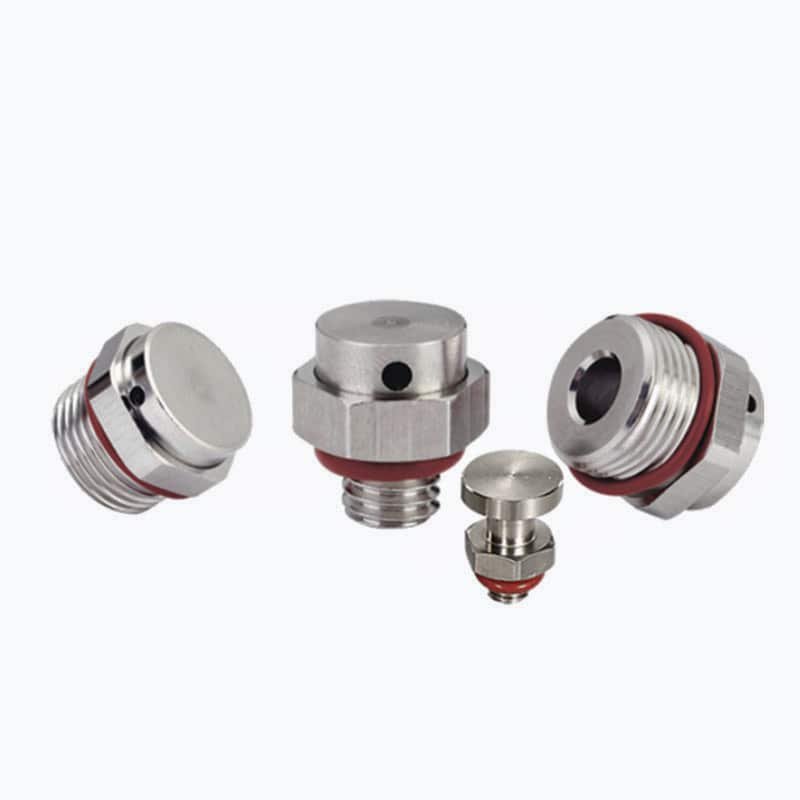
Pressure Equalization Fundamentals
Temperature Cycling Effects: 5G equipment generates significant heat during operation, creating internal pressure changes as temperatures fluctuate. Without proper venting, cooling cycles create negative pressure that draws moisture-laden air into enclosures, leading to condensation on sensitive components.
Altitude Considerations: Equipment deployed at varying altitudes experiences different atmospheric pressures. Vents must accommodate these pressure differentials while maintaining IP protection ratings throughout the operational range.
Rapid Response Requirements: Modern telecom equipment experiences rapid power cycling and thermal transitions. Vents must respond quickly to pressure changes to prevent moisture ingress during transient conditions.
Contamination Protection
Dust Ingress Prevention: Outdoor installations face constant dust exposure that can clog cooling systems and degrade component performance. Effective vents block particles while allowing air exchange for pressure equalization.
Chemical Resistance: Urban and industrial environments expose enclosures to pollutants, salt spray, and corrosive gases. Vent materials must resist degradation while maintaining sealing performance over extended service life.
Biological Contamination: Insects and small animals can enter inadequately protected enclosures, causing short circuits and equipment damage. Proper vent design prevents biological ingress while maintaining airflow.
Electromagnetic Compatibility
RF Shielding Requirements: 5G and IoT equipment operates across multiple frequency bands with strict EMC requirements. Vents must not create electromagnetic leakage paths that could interfere with signal transmission or reception.
Grounding Considerations: Conductive vent components require proper grounding to prevent EMI issues and ensure consistent electromagnetic shielding performance throughout the frequency spectrum.
Signal Integrity: Poorly designed vents can act as antennas or create resonant cavities that interfere with intended RF performance, requiring careful selection of vent geometry and materials.
How Do Environmental Conditions Affect Vent Selection?
Environmental factors significantly influence vent performance and longevity, requiring careful analysis of deployment conditions for optimal selection.
Temperature extremes, humidity levels, UV exposure, and atmospheric pressure variations all impact vent performance. Arctic deployments require freeze-resistant designs, while tropical installations need enhanced moisture handling capacity. Urban environments demand pollution resistance, and coastal locations require salt spray protection for reliable long-term operation.
Temperature Range Considerations
Extreme Cold Performance: Arctic and high-altitude installations face temperatures below -40°C, requiring vents that maintain flexibility and sealing performance without becoming brittle or cracking under thermal stress.
High Temperature Resistance: Desert and tropical deployments experience sustained temperatures above 60°C, demanding materials that resist thermal degradation and maintain dimensional stability under extreme heat.
Thermal Cycling Durability: Daily temperature swings of 40-50°C create repeated expansion and contraction cycles that can fatigue vent materials and compromise sealing performance over time.
Humidity and Precipitation Challenges
High Humidity Environments: Tropical and coastal installations face constant high humidity that increases condensation risk. Vents must handle higher moisture loads while preventing liquid water ingress.
Precipitation Protection: Direct rain, snow, and ice exposure requires vents designed to shed water effectively while maintaining breathability for pressure equalization.
Freeze-Thaw Cycles: Locations experiencing freeze-thaw cycles need vents that prevent ice formation in critical sealing areas while maintaining functionality throughout winter conditions.
Chemical and UV Exposure
UV Degradation Resistance: Outdoor installations face constant UV exposure that can degrade polymer materials and compromise vent performance. UV-stabilized materials ensure long-term reliability.
Industrial Pollution: Chemical plants, refineries, and urban areas expose vents to corrosive gases and particulates that can attack materials and reduce service life without proper material selection.
Salt Spray Environments: Coastal installations require materials resistant to salt corrosion, with special attention to metallic components that may be susceptible to galvanic corrosion3.
Real-World Application Example
I recently helped Ahmed Hassan, chief engineer at a Dubai-based IoT infrastructure company, solve persistent equipment failures in their smart city sensor network. The extreme desert heat combined with occasional sandstorms was overwhelming their standard vents, causing sensor drift and communication failures. By selecting our specialized high-temperature breathable vents with enhanced particle filtration, we eliminated 95% of their maintenance calls. The key was understanding how fine sand particles could penetrate standard designs and selecting materials that maintain performance at 70°C ambient temperatures. 🏜️
What IP Ratings Are Essential for 5G and IoT Applications?
IP protection ratings define the level of protection against solid particles and water ingress, with specific requirements varying by application and deployment environment.
5G macro cell installations typically require IP65 or IP66 ratings for protection against dust and powerful water jets. IoT devices often need IP67 or IP68 ratings for temporary or permanent water immersion protection. The selected IP rating must account for worst-case environmental conditions while maintaining necessary airflow for pressure equalization.
Understanding IP Rating Components
First Digit (Solid Particle Protection):
- IP6X: Complete dust protection required for most telecom applications
- IP5X: Limited dust ingress acceptable only in controlled environments
- Lower ratings inadequate for outdoor telecommunications equipment
Second Digit (Water Protection):
- IPX5: Protection against water jets from any direction
- IPX6: Protection against powerful water jets and heavy seas
- IPX7: Protection against temporary water immersion
- IPX8: Protection against continuous water submersion
Application-Specific Requirements
5G Macro Cell Sites: Large outdoor installations require IP65/IP66 protection against driving rain and dust storms while handling significant heat dissipation from high-power RF equipment.
Small Cell Deployments: Urban small cells need IP65 minimum for protection against cleaning operations and weather exposure while maintaining compact form factors.
IoT Sensor Networks: Remote sensors may require IP67/IP68 protection for flood-prone areas or underground installations where temporary submersion is possible.
Testing and Certification Standards
IEC 605294 Compliance: All telecommunications vents must meet IEC 60529 testing standards for IP rating verification, with third-party certification providing assurance of performance claims.
Environmental Testing: Additional testing for temperature cycling, UV exposure, and chemical resistance ensures vents maintain IP ratings throughout their service life under real-world conditions.
Quality Assurance: Proper manufacturing controls and incoming inspection procedures ensure consistent IP rating performance across production batches and prevent field failures.
How Do You Calculate Airflow Requirements?
Proper airflow calculation ensures adequate pressure equalization while maintaining IP protection and preventing moisture ingress in telecommunication enclosures.
Airflow requirements depend on enclosure volume, temperature differential, altitude changes, and pressure cycling frequency. Calculate minimum airflow using the formula: Q = V × ΔP / (ρ × R × ΔT), where Q is airflow, V is volume, ΔP is pressure differential, ρ is air density, R is gas constant, and ΔT is temperature change.

Basic Calculation Parameters
Enclosure Volume: Measure internal volume accurately, accounting for equipment displacement and internal structures that affect effective air volume requiring pressure equalization.
Temperature Differential: Determine maximum temperature swings between internal equipment heating and external ambient conditions, typically 30-50°C for active telecommunications equipment.
Pressure Change Rate: Consider how quickly pressure changes occur during equipment power cycling and environmental temperature transitions to ensure adequate vent response time.
Advanced Calculation Factors
Altitude Compensation: Higher altitude deployments experience lower atmospheric pressure, requiring adjustment of airflow calculations to account for reduced air density and pressure differentials.
Humidity Effects: Water vapor content affects air density and pressure relationships, particularly important in tropical and coastal environments with high humidity levels.
Equipment Heat Dissipation: Active cooling systems and high-power RF equipment create additional air movement that must be considered in overall airflow requirements.
Practical Design Guidelines
| Enclosure Size | Typical Airflow Requirement | Recommended Vent Area |
|---|---|---|
| Small IoT (< 1L) | 0.1-0.5 L/min | 50-100 mm² |
| Medium Outdoor (1-10L) | 0.5-2.0 L/min | 100-300 mm² |
| Large 5G Cabinet (10-100L) | 2.0-10 L/min | 300-1000 mm² |
| Macro Cell Shelter (>100L) | 10-50 L/min | 1000-5000 mm² |
Safety Margins and Redundancy
Design Margins: Apply 50-100% safety margins to calculated airflow requirements to account for vent aging, partial blockage, and extreme environmental conditions.
Redundant Venting: Critical applications benefit from multiple smaller vents rather than single large vents to provide redundancy and prevent single-point failures.
Maintenance Considerations: Design airflow capacity to maintain adequate performance even with partial vent blockage from dust accumulation or minor damage.
What Are the Best Vent Technologies for Different Applications?
Different vent technologies offer unique advantages for specific telecommunication applications, requiring careful matching of technology to deployment requirements.
Breathable membrane vents excel in high IP rating applications with moderate airflow needs, while mechanical vents provide higher airflow capacity for large enclosures. Hybrid designs combine membrane protection with mechanical airflow enhancement for demanding applications requiring both high IP ratings and substantial pressure equalization capacity.
Breathable Membrane Technology
ePTFE Membrane5 Advantages: Expanded PTFE membranes provide excellent water resistance while allowing air and vapor transport, ideal for maintaining IP67/IP68 ratings in compact IoT devices.
Polyethylene Options: PE membranes offer cost-effective solutions for IP65/IP66 applications where extreme water resistance is not required but dust protection remains critical.
Membrane Durability: High-quality membranes maintain performance for 5-10 years in outdoor environments, with UV stabilization and chemical resistance ensuring long-term reliability.
Mechanical Vent Systems
Labyrinth Designs: Tortuous path mechanical vents provide high airflow capacity while maintaining good water resistance through geometric water separation rather than membrane barriers.
Valve-Based Systems: One-way valve vents prevent water ingress while allowing pressure equalization, suitable for applications with predictable pressure cycling patterns.
Hybrid Combinations: Mechanical pre-filters combined with membrane barriers provide maximum protection and airflow capacity for critical high-value installations.
Application-Specific Recommendations
5G Small Cells: Compact membrane vents with IP67 rating and 1-2 L/min capacity handle typical small cell requirements while maintaining aesthetic integration.
IoT Sensor Nodes: Miniature membrane vents with IP68 protection and 0.1-0.5 L/min capacity provide adequate pressure equalization for battery-powered devices.
Macro Cell Equipment: Large mechanical vents with IP65 protection and 10-50 L/min capacity handle substantial heat dissipation and rapid pressure changes.
Installation and Maintenance Considerations
Mounting Orientation: Proper vent orientation prevents water accumulation and ensures optimal performance, with downward-facing installations preferred for maximum weather protection.
Accessibility: Vent placement must allow for inspection and replacement without major disassembly, particularly important for remote installations with limited maintenance access.
Replacement Scheduling: Establish preventive maintenance schedules based on environmental conditions and vent technology, typically 3-7 years for membrane vents in outdoor applications.
Conclusion
Selecting the right vents for telecommunication enclosures is critical for ensuring reliable 5G and IoT network operation. Understanding environmental requirements, IP protection needs, and airflow calculations enables informed decisions that prevent costly equipment failures and minimize maintenance requirements.
From breathable membrane technology for compact IoT devices to high-capacity mechanical systems for macro cell installations, the right vent selection balances protection, performance, and longevity. Proper installation and maintenance practices ensure continued reliability throughout the equipment lifecycle.
At Bepto, we understand the unique challenges facing telecommunications infrastructure. Our comprehensive range of breathable vent plugs and cable accessories provides reliable solutions for every application, from harsh outdoor environments to sensitive indoor installations. Let our 10+ years of experience guide your vent selection for optimal network performance! 📡
FAQs About Telecommunication Enclosure Vents
Q: What IP rating do I need for outdoor 5G equipment vents?
A: Outdoor 5G equipment typically requires IP65 or IP66 rated vents for protection against dust and powerful water jets. IP67/IP68 ratings are necessary for flood-prone areas or underground installations where temporary water immersion is possible.
Q: How often should telecommunication enclosure vents be replaced?
A: Membrane vents typically last 5-10 years in outdoor environments, while mechanical vents may last longer with proper maintenance. Replace vents when IP protection is compromised, airflow capacity decreases significantly, or visible damage occurs.
Q: Can I use multiple small vents instead of one large vent?
A: Yes, multiple smaller vents often provide better redundancy and more flexible installation options than single large vents. This approach prevents single-point failures and allows better distribution of airflow throughout the enclosure.
Q: What’s the difference between breathable membrane and mechanical vents?
A: Breathable membrane vents use porous materials to allow air passage while blocking water and particles, ideal for high IP ratings. Mechanical vents use geometric designs for water separation and typically provide higher airflow capacity for larger enclosures.
Q: How do I prevent condensation in telecommunication enclosures?
A: Prevent condensation by ensuring adequate vent capacity for pressure equalization, maintaining proper airflow circulation, and using desiccants when necessary. Proper vent selection and installation are critical for managing humidity and temperature fluctuations.
See a detailed chart explaining the Ingress Protection (IP) rating system and what the different levels signify for dust and water resistance. ↩
Learn the fundamentals of Electromagnetic Compatibility (EMC) and why it’s critical for preventing interference in radio frequency (RF) applications. ↩
Understand the electrochemical process of galvanic corrosion and review a galvanic series chart to see which dissimilar metals are incompatible. ↩
Review an overview of the IEC 60529 international standard, which classifies the degrees of protection provided by enclosures for electrical equipment. ↩
Explore the unique microporous structure, material properties, and common industrial applications of expanded Polytetrafluoroethylene (ePTFE). ↩
