# 扁平電纜密封接頭是什麼？哪些特殊安裝場合適合使用？

> Source: https://chinacableglands.com/zh-hant/blog/what-are-flat-cable-glands-and-when-should-you-use-them-for-specialized-installations/
> Language: zh-Hant
> Publisher: 倍拓電纜接頭
> Author: Edward Wang
> Published: 2026-01-18
> Updated: 2026-10-29

選擇扁平電纜接頭時，要比較電纜寬度、厚度、邊緣形狀及支撐方式。檢視公差範例、進線密封、夾持固定及安裝要求。

<p><strong>扁平電纜接頭使用異形電纜密封件，以配合扁平或其他指定的非圓形電纜輪廓。</strong>當扁平電纜需要穿過外殼壁，同時保持預定方向、密封及機械支撐時，我會選用此類接頭。起始尺寸是寬度與厚度，接著還要考慮密封件接觸到的邊緣、角部及護套表面。</p>
<p>圓形外本體內可裝入扁平密封嵌件；帶法蘭的進線口則可採用長圓孔。關鍵在於電纜側零件是否符合實際截面形狀，以及本體如何安裝在外殼上。我會分別檢查這兩個介面，再納入所需的夾持固定、電氣功能及環境工況。</p>
<blockquote>
<p><strong>重點摘要</strong></p>
<ul>
<li>依完整電纜輪廓選擇：寬度、厚度、角部、凹槽及護套狀況。</li>
<li>將兩個尺寸的允許變動範圍都納入考量；只看標稱寬度可能會忽略厚度不匹配。</li>
<li>以等面積直徑作幾何比較，但選擇接頭時仍須保留實際輪廓。</li>
<li>壁面開口、進線密封、安裝堆疊及工具操作空間，須與電纜配合度分開確認。</li>
<li>讓電纜支撐與彎曲方向符合接頭及端接方式。</li>
</ul>
</blockquote>
<h2 id="what-is-a-flat-cable-gland">什麼是扁平電纜接頭？</h2>
<p><strong>扁平電纜接頭</strong>是一種電纜進線組件，其密封或夾持結構是為指定的扁平輪廓所設計。通常由本體、異形密封件、閉合零件及外殼安裝介面組成。內部結構決定壓縮力作用的位置，以及哪些零件負責限制電纜移動。</p>
<p><a href="https://webstore.iec.ch/en/publication/7034">IEC 62444:2010</a> 涵蓋供應時的完整電纜接頭。因此，比較扁平款式時，我會一併確認本體、密封嵌件與配件。即使外部本體及進線螺紋相同，不同嵌件仍可能改變可接受的電纜尺寸。</p>
<p>若連續的外護套包覆芯線，多芯扁平電纜仍是一條電纜。<a href="/zh-hant/blog/how-do-multi-hole-cable-glands-maximize-space-efficiency-in-modern-electrical-installations/">多孔式電纜接頭</a>則為多條電纜提供各自的開口。這些電纜可獨立移動，而且每條都需要預定的接觸表面。請選擇符合實際穿過壁面的線材配置的結構。</p>
<figure>
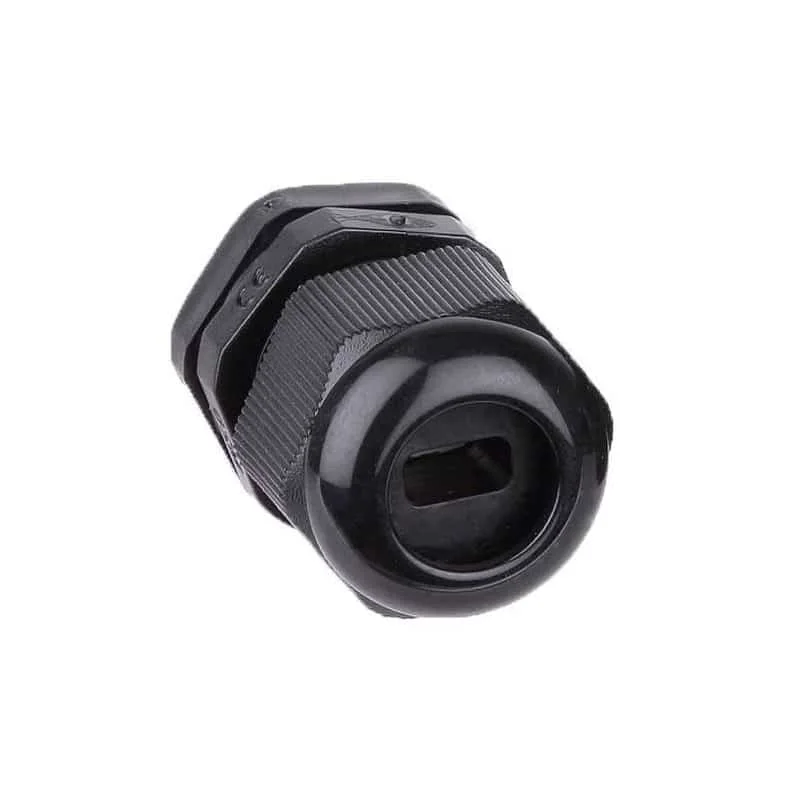
<img alt="未帶品牌標示的黑色電纜密封接頭，可清楚看見扁平電纜開口" src="/images/blog/what-are-flat-cable-glands-and-when-should-you-use-them-for-specialized-installations/wp-flat-cable-gland-form.webp" width="800" height="800" loading="lazy" decoding="async">
<figcaption>此電纜接頭的圓形外蓋內可見一個扁平開口。</figcaption>
</figure>
<p><strong>電纜密封</strong>會封住電纜護套周圍的通道。<strong>進線口密封</strong>會封住本體與外殼之間的接合處。<strong>電纜夾持固定</strong>可抵抗電纜相對於接頭的移動。一種組件可能在壓縮元件中同時實現前述第一項與第三項功能；另一種則採用分離的密封件及夾具。選擇款式前，請先在剖面圖上找出接觸表面。</p>
<h2 id="why-do-faces-edges-and-corners-matter">為什麼接觸面、邊緣及角部很重要？</h2>
<p>扁平護套具有寬面、窄邊及其間的過渡區。壓縮時必須沿整個輪廓形成適當接觸。如果密封件只抵住寬面，卻在邊緣附近留下間隙，水或塵埃便可能沿電纜旁的通道通過。局部壓力過高，也可能使柔軟護套變形，或將負荷傳到下方的導體。</p>
<p>我會比較完整輪廓，包括圓角、接縫、凸肋及導體間的凹槽。最大寬度與厚度相同的兩條電纜，接觸幾何形狀仍可能不同。一條可能具有平滑的長圓形護套；另一條則可能在導體之間有明顯凹槽。異形密封嵌件必須符合這些差異。</p>
<table>
<thead>
<tr>
<th>電纜結構</th>
<th>須確認的介面</th>
<th>選型方向</th>
</tr>
</thead>
<tbody>
<tr>
<td>平滑扁平護套</td>
<td>寬面、厚度及邊緣曲率</td>
<td>配合異形密封件及其尺寸限制。</td>
</tr>
<tr>
<td>圓角長圓形或橢圓形護套</td>
<td>完整外輪廓及方向</td>
<td>與該接頭明確接受的輪廓比較。</td>
</tr>
<tr>
<td>有凸肋或凹槽的外表面</td>
<td>凹谷、凸起特徵及可供密封接觸的表面</td>
<td>採用符合該輪廓的介面，封閉相關通道。</td>
</tr>
<tr>
<td>外露的排線導體或軟性電路</td>
<td>各自的絕緣層、薄膜邊緣及預定密封區</td>
<td>採用為此結構設計的進線系統。</td>
</tr>
<tr>
<td>多條彼此獨立的電纜</td>
<td>每條電纜的護套及移動方式</td>
<td>採用適當的多孔或模組化配置。</td>
</tr>
</tbody>
</table>
<p><a href="/zh-hant/blog/how-to-ensure-proper-sealing-on-uneven-or-corrugated-cables/">非均勻及波紋電纜指南</a>，也說明凸肋與凹谷會造成相同的接觸問題。對於扁平進線，在決定密封件的閉合方式前，請先確認所選的護套層及方向。</p>
<h2 id="measure-width-and-thickness-at-the-sealing-location">在密封位置測量寬度與厚度</h2>
<p><strong>密封區</strong>是位於接頭密封件內的電纜段。先查看電纜製造商的圖面及尺寸界限，再於該位置檢查具代表性的樣品，確認接縫、印字、損傷及沿長度方向的變化。</p>
<p>沿較寬方向測量寬度，沿較窄方向測量厚度。使用適當的量測工具及接觸力，避免量測時壓扁護套。記錄方向及樣品狀況。緊繃地繞過彎曲處的電纜，其形狀可能不同於原本預定用於密封的鬆弛段。</p>
<p><a href="https://www.nist.gov/metrology/metrological-traceability">NIST 計量溯源性指南</a>說明，如何透過校正及不確定度將量測結果連結至參考標準。就此選型而言，實際問題是：不確定度是否小到足以判別電纜尺寸與規定界限的差異。接近邊界時，應採用指定的量測及驗收方法，而不是將結果四捨五入至範圍內。</p>
<h3 id="worked-example-one-nominal-size-two-different-outcomes">範例：相同標稱尺寸，結果可能不同</h3>
<p>假設有一份電纜圖面，其規定寬度為 <strong>20.0 ± 0.3 mm</strong>、厚度為 <strong>4.0 ± 0.2 mm</strong>。因此允許的尺寸範圍為 <strong>19.7–20.3 mm 寬</strong>、<strong>3.8–4.2 mm 厚</strong>。再假設兩種候選密封嵌件都可接受相同的平滑圓角輪廓，但尺寸範圍如下：</p>
<table>
<thead>
<tr>
<th>假設性密封嵌件</th>
<th>允許寬度</th>
<th>允許厚度</th>
<th>對完整電纜尺寸範圍的結果</th>
</tr>
</thead>
<tbody>
<tr>
<td>A</td>
<td>19.5–20.5 mm</td>
<td>3.9–4.3 mm</td>
<td>寬度符合；電纜最小厚度比下限小 0.1 mm。</td>
</tr>
<tr>
<td>B</td>
<td>19.5–20.5 mm</td>
<td>3.7–4.3 mm</td>
<td>兩個尺寸範圍都符合。</td>
</tr>
</tbody>
</table>
<p>在這項假設性比較中，我發現兩種嵌件都接受標稱尺寸 20.0 × 4.0 mm，但只有 B 涵蓋電纜完整的允許尺寸範圍。A 在電纜厚度達允許最小值時，即不符合該嵌件的密封接觸範圍，此時寬度仍符合。B 在寬度上下限各保留 0.2 mm，在厚度上下限各保留 0.1 mm。厚度是較接近界限的尺寸，因此比較下一批電纜時應特別注意。這些是尺寸餘量，不是密封壓縮量。</p>
<p>我會接著選用 B，並檢查其允許的護套、邊緣半徑、方向及安裝後性能。此範例假設尺寸範圍內每一組寬度與厚度的組合都獲准使用。如果產品圖面規定的是成對尺寸或曲線輪廓包絡範圍，則應依該實際包絡範圍比較電纜。</p>
<p>例如，只將電纜邊緣由平滑曲線改成深縱向凹槽。B 的寬度與厚度可能仍符合，但凹槽會形成不同的接觸路徑，因此需要檢視輪廓或改用其他密封嵌件。此範例說明，尺寸可縮小選擇範圍，而完整外輪廓才能完成判斷。</p>
<figure class="blog-chart" style="container-type: inline-size;">
<svg xmlns="http&#58;//www.w3.org/2000/svg" viewBox="0 0 520 1660" role="img" aria-labelledby="cg-flat-profile-title cg-flat-profile-desc" style="display:block;max-width:520px;margin-inline:auto;font-family:var(--font-body); width: 100% !important; max-width: 100% !important; height: auto !important;" id="cg-typography-6360e137635c0092">
<title id="cg-flat-profile-title">扁平電纜輪廓、密封、安裝與支撐</title>
<desc id="cg-flat-profile-desc">四個垂直排列的階段，依序呈現量測後的扁平電纜外形、成形密封與保持接觸、接頭與外殼引入口，以及受支撐的電纜路徑。</desc>
<defs><marker id="cg-flat-profile-arrow" viewBox="0 0 10 10" refX="8" refY="5" markerWidth="7" markerHeight="7" orient="auto"><path d="M0 0L10 5L0 10Z" fill="var(--color-carbon)"/></marker></defs>
<text x="260" y="44" text-anchor="middle" font-size="28" font-weight="700" fill="var(--color-carbon)">沿著扁平電纜</text>
<text x="260" y="84" text-anchor="middle" font-size="28" font-weight="700" fill="var(--color-carbon)">從密封到支撐</text>
<text x="260" y="126" text-anchor="middle" font-size="22" fill="var(--color-carbon)">讓寬度、厚度及邊緣形狀、</text>
<text x="260" y="157" text-anchor="middle" font-size="22" fill="var(--color-carbon)">一併考量公差與方向。</text>
<rect x="28" y="194" width="464" height="300" rx="18" fill="var(--surface-card)" stroke="var(--color-pewter)" stroke-width="3"/>
<text x="52" y="238" font-size="24" font-weight="700" fill="var(--color-carbon)">1. 電纜輪廓</text>
<text x="52" y="280" font-size="22" fill="var(--color-carbon)">測量寬度與厚度</text>
<text x="52" y="313" font-size="22" fill="var(--color-carbon)">於密封位置。</text>
<rect x="130" y="350" width="220" height="48" rx="20" fill="var(--color-ash)" stroke="var(--color-carbon)" stroke-width="3"/>
<line x1="130" y1="430" x2="350" y2="430" stroke="var(--color-carbon)" stroke-width="3"/>
<line x1="130" y1="418" x2="130" y2="442" stroke="var(--color-carbon)" stroke-width="3"/>
<line x1="350" y1="418" x2="350" y2="442" stroke="var(--color-carbon)" stroke-width="3"/>
<text x="240" y="466" text-anchor="middle" font-size="22" fill="var(--color-carbon)">寬度 + 邊緣形狀</text>
<line x1="376" y1="350" x2="376" y2="398" stroke="var(--color-carbon)" stroke-width="3"/>
<line x1="364" y1="350" x2="388" y2="350" stroke="var(--color-carbon)" stroke-width="3"/>
<line x1="364" y1="398" x2="388" y2="398" stroke="var(--color-carbon)" stroke-width="3"/>
<text x="394" y="382" font-size="22" fill="var(--color-carbon)">t</text>
<path d="M260 494V524" fill="none" stroke="var(--color-carbon)" stroke-width="4" marker-end="url(#cg-flat-profile-arrow)"/>
<rect x="28" y="544" width="464" height="300" rx="18" fill="var(--surface-card)" stroke="var(--color-carbon)" stroke-width="3"/>
<text x="52" y="588" font-size="24" font-weight="700" fill="var(--color-carbon)">2. 密封＋保持</text>
<text x="52" y="630" font-size="22" fill="var(--color-carbon)">配合接觸面、邊緣及角部。</text>
<text x="52" y="663" font-size="22" fill="var(--color-carbon)">另行檢查軸向夾持。</text>
<rect x="110" y="708" width="300" height="88" rx="24" fill="var(--color-ash)" stroke="var(--color-carbon)" stroke-width="4"/>
<rect x="146" y="732" width="228" height="40" rx="17" fill="var(--surface-card)" stroke="var(--color-carbon)" stroke-width="4"/>
<circle cx="146" cy="752" r="8" fill="var(--color-carbon)"/>
<circle cx="374" cy="752" r="8" fill="var(--color-carbon)"/>
<text x="260" y="828" text-anchor="middle" font-size="22" fill="var(--color-carbon)">外形接觸＋軸向夾持</text>
<path d="M260 844V874" fill="none" stroke="var(--color-carbon)" stroke-width="4" marker-end="url(#cg-flat-profile-arrow)"/>
<rect x="28" y="894" width="464" height="320" rx="18" fill="var(--surface-card)" stroke="var(--color-pewter)" stroke-width="3"/>
<text x="52" y="938" font-size="24" font-weight="700" fill="var(--color-carbon)">3. 接頭＋壁面引入口</text>
<text x="52" y="980" font-size="22" fill="var(--color-carbon)">配合開口與密封件座合面。</text>
<text x="52" y="1013" font-size="22" fill="var(--color-carbon)">為零件及工具預留空間。</text>
<rect x="186" y="1050" width="148" height="86" rx="20" fill="var(--color-ash)" stroke="var(--color-carbon)" stroke-width="4"/>
<rect x="210" y="1076" width="100" height="20" rx="8" fill="var(--color-carbon)"/>
<rect x="92" y="1140" width="336" height="28" rx="6" fill="var(--color-cloud)" stroke="var(--color-carbon)" stroke-width="3"/>
<rect x="196" y="1128" width="128" height="12" rx="6" fill="var(--color-carbon)"/>
<text x="260" y="1199" text-anchor="middle" font-size="22" fill="var(--color-carbon)">本體 · 壁面 · 承靠面</text>
<path d="M260 1214V1244" fill="none" stroke="var(--color-carbon)" stroke-width="4" marker-end="url(#cg-flat-profile-arrow)"/>
<rect x="28" y="1264" width="464" height="260" rx="18" fill="var(--surface-card)" stroke="var(--color-pewter)" stroke-width="3"/>
<text x="52" y="1308" font-size="24" font-weight="700" fill="var(--color-carbon)">4. 佈線＋支撐</text>
<text x="52" y="1350" font-size="22" fill="var(--color-carbon)">檢查引入口後方的彎曲、拉力、扭轉、移動，</text>
<text x="52" y="1383" font-size="22" fill="var(--color-carbon)">以及附近的硬體。</text>
<path d="M118 1448H244C300 1448 298 1408 354 1408H412" fill="none" stroke="var(--color-carbon)" stroke-width="12" stroke-linecap="round"/>
<line x1="174" y1="1426" x2="174" y2="1470" stroke="var(--color-carbon)" stroke-width="5"/>
<line x1="366" y1="1392" x2="366" y2="1436" stroke="var(--color-carbon)" stroke-width="5"/>
<text x="260" y="1492" text-anchor="middle" font-size="22" fill="var(--color-carbon)">有支撐的電纜路徑</text>
<rect x="28" y="1554" width="464" height="88" rx="16" fill="var(--color-ash)" stroke="var(--color-pewter)" stroke-width="3"/>
<text x="260" y="1592" text-anchor="middle" font-size="24" font-weight="700" fill="var(--color-carbon)">讓量測後的電纜外形</text>
<text x="260" y="1624" text-anchor="middle" font-size="24" font-weight="700" fill="var(--color-carbon)">貫穿全部四項檢查。</text>
</svg>
<figcaption>這個選型流程將電纜輪廓、密封與夾持固定、外殼進線口及外部支撐分為四項彼此獨立但相互關聯的檢查。符號 t 代表厚度。</figcaption>
</figure>
<h2 id="what-can-an-equal-area-diameter-tell-you">等面積直徑可以說明什麼？</h2>
<p><strong>等面積直徑</strong>是與選定輪廓近似形狀具有相同面積之圓的直徑。若以寬度 <span class="article-math article-math-inline" data-latex="w"><span class="katex"><math xmlns="http://www.w3.org/1998/Math/MathML"><semantics><mrow><mi>w</mi></mrow><annotation encoding="application/x-tex">w</annotation></semantics></math></span></span>、厚度 <span class="article-math article-math-inline" data-latex="t"><span class="katex"><math xmlns="http://www.w3.org/1998/Math/MathML"><semantics><mrow><mi>t</mi></mrow><annotation encoding="application/x-tex">t</annotation></semantics></math></span></span> 的矩形近似，令矩形面積等於圓面積可得：</p>
<div class="article-math article-math-display" data-latex="A=wt=\frac{\pi D_{eq}^{2}}{4},\qquad D_{eq}=\sqrt{\frac{4wt}{\pi}}"><span class="katex"><math xmlns="http://www.w3.org/1998/Math/MathML" display="block"><semantics><mrow><mi>A</mi><mo>=</mo><mi>w</mi><mi>t</mi><mo>=</mo><mfrac><mrow><mi>π</mi><msubsup><mi>D</mi><mrow><mi>e</mi><mi>q</mi></mrow><mn>2</mn></msubsup></mrow><mn>4</mn></mfrac><mo separator="true">,</mo><mspace width="2em"/><msub><mi>D</mi><mrow><mi>e</mi><mi>q</mi></mrow></msub><mo>=</mo><msqrt><mfrac><mrow><mn>4</mn><mi>w</mi><mi>t</mi></mrow><mi>π</mi></mfrac></msqrt></mrow><annotation encoding="application/x-tex">A=wt=\frac{\pi D_{eq}^{2}}{4},\qquad D_{eq}=\sqrt{\frac{4wt}{\pi}}</annotation></semantics></math></span></div>
<p>以毫米為單位使用 <span class="article-math article-math-inline" data-latex="w"><span class="katex"><math xmlns="http://www.w3.org/1998/Math/MathML"><semantics><mrow><mi>w</mi></mrow><annotation encoding="application/x-tex">w</annotation></semantics></math></span></span>、<span class="article-math article-math-inline" data-latex="t"><span class="katex"><math xmlns="http://www.w3.org/1998/Math/MathML"><semantics><mrow><mi>t</mi></mrow><annotation encoding="application/x-tex">t</annotation></semantics></math></span></span> 及 <span class="article-math article-math-inline" data-latex="D_{eq}"><span class="katex"><math xmlns="http://www.w3.org/1998/Math/MathML"><semantics><mrow><msub><mi>D</mi><mrow><mi>e</mi><mi>q</mi></mrow></msub></mrow><annotation encoding="application/x-tex">D_{eq}</annotation></semantics></math></span></span>，即可得到 mm² 的面積。圓角與凹槽會改變實際面積；矩形模型只是對外輪廓的近似。</p>
<p>兩個假設性矩形輪廓 <strong>20 × 4 mm</strong> 與 <strong>10 × 8 mm</strong> 的面積各為 <strong>80 mm²</strong>，因此兩者的等面積直徑都約為 <strong>10.09 mm</strong>。但實際寬度與厚度差異很大。若僅依這個相同數值，不能將為第一種輪廓設計的密封件用於第二種。</p>
<p><a class="article-tool-card article-tool-card-link" href="/zh-hant/resource-center/tools/flat-cable-equivalent-diameter-calculator/" aria-label="扁平電纜等效直徑計算器"><span class="article-tool-card-index">工具</span><span class="article-tool-card-kicker">電纜尺寸</span><strong class="article-tool-card-title">扁平電纜等效直徑計算器</strong><span class="article-tool-card-copy">比較矩形輪廓面積與等面積直徑。假設的 20 × 4 mm 與 10 × 8 mm 輪廓面積都為 80 mm²，等面積直徑約為 10.09 mm。實際檢查密封件與開口時，仍須保留寬度、厚度、角部及凹槽資訊；計算出的直徑並不代表其形狀。</span><span class="article-tool-card-formula">Deq = √(4wt / π)</span><span class="article-tool-card-inputs" aria-label="計算器輸入項目"><em>扁平電纜寬度</em><em>扁平電纜厚度</em></span><span class="article-tool-card-action">開啟計算器 <span aria-hidden="true">-&gt;</span></span></a></p><p>在初步佈局中比較電纜截面佔用面積時，我會使用這項計算。若要讓電纜穿過開口，請檢查完整輪廓及方向。若要密封，請比較電纜實際的接觸周長與異形密封嵌件。即使採用相同的電纜尺寸，這仍是不同的幾何問題。</p>
<h2 id="when-is-a-flat-cable-gland-useful">何時適合使用扁平電纜接頭？</h2>
<p>當所選電纜具有非圓形密封表面，且必須穿過受保護的設備邊界時，可使用扁平接頭。範例包括適用的護套扁平控制電纜、扁平電源電纜，以及具有明確外部接觸區的成品電纜組件。請依特定電纜及設備工況選擇結構。</p>
<p>異形進線口有助於在壁面處維持預定方向。例如，垂直進入的扁平電纜接上水平端子排時，可能需要在機櫃內改變方向。我會先安排開口與支撐，確保在允許的彎曲方向內留有轉向空間，再固定接頭方向。</p>
<figure>
<picture>
<source media="(max-width: 640px)" srcset="/images/blog/what-are-flat-cable-glands-and-when-should-you-use-them-for-specialized-installations/flat-cable-entry-interior-support-600.webp">
<img alt="一條外護套連續的扁平電纜穿過外殼側壁上的法蘭式長圓形引入口，並穿過另一個內部鞍形支撐件" src="/images/blog/what-are-flat-cable-glands-and-when-should-you-use-them-for-specialized-installations/flat-cable-entry-interior-support-1200.webp" width="1200" height="800" loading="lazy" decoding="async">
</picture>
<figcaption>從開啟的外殼內部看，一條扁平護套電纜穿過側壁法蘭引入口，並沿路徑延伸至較遠處的另一個鞍形支撐件。</figcaption>
</figure>
<table>
<thead>
<tr>
<th>安裝情況</th>
<th>扁平進線可處理的項目</th>
<th>還需配合安排的項目</th>
</tr>
</thead>
<tbody>
<tr>
<td>扁平控制電纜進入機櫃</td>
<td>輪廓接觸及明確的出線方向</td>
<td>內部彎曲空間、支撐及接近端子的路徑。</td>
</tr>
<tr>
<td>有護套的扁平電源電纜</td>
<td>進線口密封及指定的電纜夾持固定工況</td>
<td>電纜額定值、電氣間距及端接設計。</td>
</tr>
<tr>
<td>預先完成端接的扁平電纜組件</td>
<td>如有提供，採用適合該組件的分體或模組化進線方式</td>
<td>連接器通過空間、分體接縫密封及組裝操作空間。</td>
</tr>
<tr>
<td>設備附近反覆移動的電纜</td>
<td>適合該電纜的固定式穿壁連接</td>
<td>另行設計移動段、支撐及應力管理方式。</td>
</tr>
<tr>
<td>既有設備上的更換作業</td>
<td>相符的輪廓及安裝配置</td>
<td>既有開孔、壁面密封、電纜路徑及檢查空間。</td>
</tr>
</tbody>
</table>
<p>對於預先完成端接的組件，請將連接器的通過外廓與開口比較。分體式進線口可能解決安裝時的操作空間問題，但其接縫及模組配置仍是密封設計的一部分。使用一體式電纜接頭時，通常須在端接前讓電纜端穿過。</p>
<p>軟性印刷電路、外露排線導體及層壓母排結構，均需要適合其絕緣、邊緣及機械界限的進線方式。請依設備及電纜結構選擇這些系統，不要將所有扁平物件都當作有護套電纜。</p>
<h2 id="match-the-gland-body-to-the-enclosure">讓接頭本體符合外殼</h2>
<p><strong>引入口相容性</strong>是指本體能否安裝並密封於預定的外殼開口。扁平電纜側的密封嵌件可裝在具有圓形安裝螺紋的本體內，因此電纜寬度不會直接決定面板孔。其他設計則透過長圓孔或螺栓法蘭安裝。</p>
<p>若採用螺紋本體，請核對完整的螺紋標示及可用的有效旋合長度。若使用間隙孔與鎖緊螺帽，請將面板厚度、安裝後密封件及配件堆疊，與可用螺紋長度比較。法蘭則須符合指定的開孔、緊固件位置及座合面。各種安裝方式都應依所選產品的安裝圖面確認。</p>
<p>放行開孔前，我會檢查壁面兩側。外側需要可靠的密封接觸面及工具操作空間；內側需要為固定零件、電纜彎曲及附近端子預留空間。塗層、毛邊、曲面或凹入的開口，都可能改變進線密封件的座合狀況。</p>
<table>
<thead>
<tr>
<th>安裝細節</th>
<th>檢查實際外殼</th>
</tr>
</thead>
<tbody>
<tr>
<td>螺紋或開孔</td>
<td>尺寸、形狀、公差及方向。</td>
</tr>
<tr>
<td>壁面</td>
<td>厚度、平坦度、表面塗層及邊緣狀況。</td>
</tr>
<tr>
<td>進線密封件</td>
<td>正確零件、密封座合面及安裝後壓縮量。</td>
</tr>
<tr>
<td>固定零件</td>
<td>鎖緊螺帽或法蘭緊固件、旋合長度及後側操作空間。</td>
</tr>
<tr>
<td>安裝後佔用空間</td>
<td>工具間隙、電纜彎曲空間及與鄰近硬體的間距。</td>
</tr>
</tbody>
</table>
<p>評估螺紋長度時，請勿移除壁面密封件。為了配合較短的本體而移除配件，會改變安裝配置。請改選合適的本體長度或經核准的安裝方式。<a href="/zh-hant/blog/what-is-a-cable-gland-your-complete-guide-to-understanding-cable-glands-and-their-applications/">一般電纜接頭指南</a>說明了各類接頭的外殼側功能。</p>
<h2 id="keep-retention-bending-and-external-support-coordinated">協調抗拔固定、彎曲及外部支撐</h2>
<p><strong>軸向抗拔固定</strong>是抵抗電纜沿長度方向移動的能力。<strong>應力消除</strong>則是在指定配置中管理傳到電纜端接處的負荷。密封件可能有助於夾持，但應依組件指定的抗拔負荷及電纜支撐方式決定其用法。</p>
<p>扁平電纜繞其寬面軸與窄面軸彎曲時，行為可能不同。請遵守指定的彎曲方向及半徑，包括固定安裝與反覆移動各自的限制。規劃有支撐的路徑，避免在接頭出線處開始過緊的窄邊彎曲或扭轉。</p>
<p>我會安排支撐來承受電纜重量並控制移動，同時保留所需的彎曲空間。接頭應符合設計分配給它的負荷。為了補償未受支撐的電纜而過度夾緊護套，可能會使密封區變形，卻無法改善線路走向。</p>
<p><a href="https://webstore.iec.ch/en/publication/103734">IEC 60364-5-52:2009+A1:2024</a> 涵蓋配線系統的選擇與安裝。進線口、支撐及端接應納入同一項安裝檢查。對於會隨機械運動的電纜，應遵循電纜的動態工況要求及機械支撐配置，並確保固定端可供檢查。</p>
<figure>
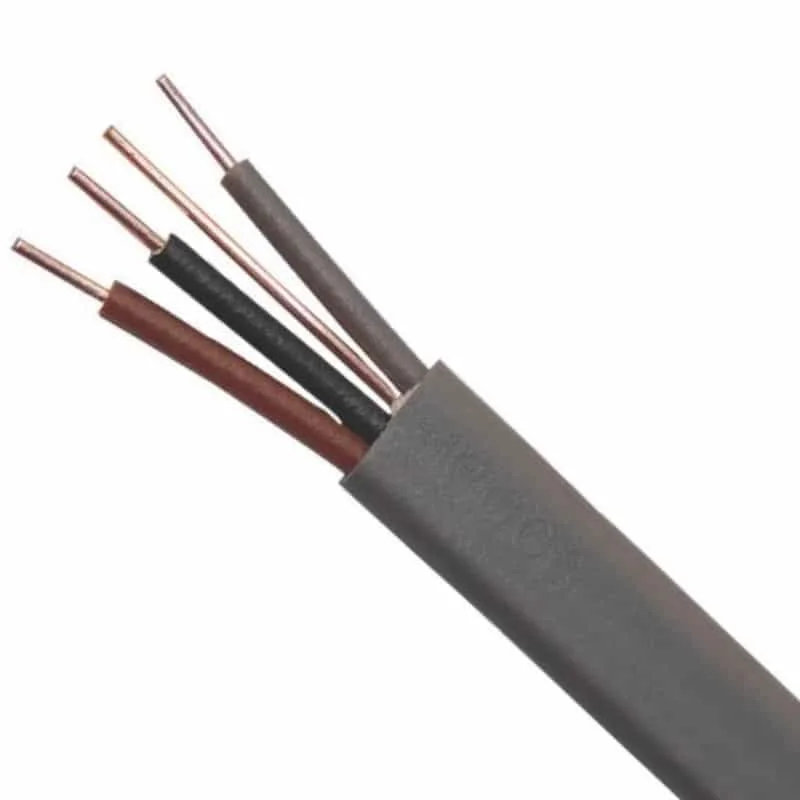
<img alt="灰色扁平護套多芯電纜，一端已剝除護套" src="/images/blog/what-are-flat-cable-glands-and-when-should-you-use-them-for-specialized-installations/wp-flat-jacketed-cable.webp" width="800" height="800" loading="lazy" decoding="async">
<figcaption>寬大的護套與平行導體，表示寬度、厚度、邊緣形狀及預定護套接觸區域都是引入口選型的重要因素。</figcaption>
</figure>
<h2 id="select-the-materials-and-required-electrical-functions">選擇材料與所需電氣功能</h2>
<p>使用期間，護套與密封件會持續接觸。請依溫度、水、油類、清潔劑、紫外線及其他暴露條件，檢視實際材料。化學物質種類、濃度及接觸條件，有助於選擇密封膠料。本體、表面處理及外殼的材料組合也須適合安裝位置。</p>
<p>我會將保護等電位連結與屏蔽層端接視為可識別的進線路徑。如果鎧裝層或其他導電層具有指定的保護功能，請選用適當的端接方式及外殼連接。對於 EMC 屏蔽，應依設備相關頻率範圍檢查接觸幾何形狀及電纜結構。</p>
<p><a href="https://webstore.iec.ch/en/publication/94574">IEC 62153-4-15:2021+A1:2024</a> 涵蓋連接器、電纜組件及元件的轉移阻抗與衰減量測。即使同一接頭內同時具有屏蔽接觸結構及保護導體連接，兩者仍有不同的電氣用途。</p>
<p>用於危險區域時，請將確切型號、電纜結構、防護概念及配件，與適用證書及安裝條件相互核對。<a href="https://webstore.iec.ch/en/publication/66049">IEC 60079-14:2024</a> 涵蓋 Ex 安裝的設計、選型、安裝及初始檢查。請在該設備配置中選用扁平進線方式。</p>
<p>若有防火性能要求，請先確認要求適用於材料、電纜、元件，或完整安裝系統中的哪一項，再採用相應結構及評估方式。輪廓形狀是機械選型特徵；所需環境與電氣功能則共同構成完整規格。</p>
<h2 id="install-and-inspect-the-selected-configuration">安裝並檢查所選配置</h2>
<p>對已安裝的電氣進線部件進行作業前，應由合格人員依照廠區隔離程序，確認設備已處於安全狀態。將實際使用的本體、密封嵌件、密封件及安裝配件依序排好，確認安裝次序及方向。</p>
<ol>
<li><strong>準備電纜區段。</strong>使用預定的完整護套區段。電纜穿入密封件前，先檢查接縫、切口、污染及尺寸。</li>
<li><strong>準備外殼。</strong>確認開口及座合面。依允許的方法去除毛邊，並保留指定的表面防護。</li>
<li><strong>對齊輪廓。</strong>將寬面與邊緣對準異形密封嵌件。遵循任何定位鍵或不對稱特徵。</li>
<li><strong>封閉兩個介面。</strong>依各自指定的鎖緊方法組裝壁面密封件與電纜側機構。若有指示，請固定本體以防其轉動。</li>
<li><strong>支撐線路。</strong>使電纜的彎曲及移動維持在限制內，並防止出線處承受不必要的負荷。</li>
<li><strong>檢查完成的進線部件。</strong>檢查座合狀況、可見的護套變形、夾持固定方式、電氣連接及必要的侵入防護驗證。</li>
</ol>
<p><a href="https://webstore.iec.ch/en/publication/2452">IEC 60529</a> 提供外殼 IP 等級的分類架構。對於所選進線方式，請將其規定的電纜、密封件、安裝及水試驗條件與實際安裝情況比較。<a href="/zh-hant/blog/ip-protection-ratings-explained-how-to-choose-the-right-cable-gland-based-on-iec-60529-standards/">IP 防護等級選型指南</a>說明不同的暴露類別。</p>
<p>比較測試配置時，請確認能代表密封表面及夾持狀況的電纜或異形試件。例如，在相同的閉合動作下，平滑剛性試件的變形方式與柔軟帶槽護套不同。請比較這些接觸條件，並將適用的電纜輪廓及安裝方式，與所選零件一併核對。</p>
<p>更換電纜後，即使導體芯數不變，仍應重新檢查寬度、厚度、邊緣形狀及護套材料。若出現洩漏，請檢查電纜接觸面及壁面密封件。若電纜移動，請檢查夾持零件及支撐路徑。修正受影響的介面，比反覆鎖緊所有螺帽更能有效解決問題。</p>
<h2 id="conclusion">結論</h2>
<p>選擇扁平電纜接頭時，我會沿著電纜實際輪廓，確認其如何進入外殼。寬度與厚度可先縮小尺寸選擇範圍；邊緣、凹槽、護套及方向則決定密封接觸狀況。尺寸範例說明，厚度的一點差異可能排除原本看似可行的候選項。</p>
<p>接著，讓本體符合開口，並規劃有支撐的電纜路徑。依實際使用工況選擇材料、夾持固定方式及電氣功能。將這些決策一併考量，有助於正確安裝接頭，日後更換時也能保留當初選型的依據。</p>
<h2 id="faqs-about-flat-cable-glands">扁平電纜密封接頭常見問題</h2>
<h3 id="when-should-i-choose-a-flat-cable-gland">何時應選用扁平電纜接頭？</h3>
<p>當非圓形電纜需要在外殼處使用異形密封或夾持介面時，可選用此類接頭。請將電纜完整的寬度與厚度範圍、邊緣、護套及方向，與所選密封嵌件比較。接著檢查本體安裝方式、支撐路徑及所需使用功能。</p>
<h3 id="can-a-round-bodied-gland-accept-a-flat-cable">圓形本體的接頭可以用於扁平電纜嗎？</h3>
<p>圓形外本體內可裝入適用於扁平電纜的異形密封嵌件。請選用該結構明確涵蓋的嵌件與電纜截面形狀。本體外觀及安裝螺紋尺寸，描述的是不同於電纜側密封輪廓的特徵。</p>
<h3 id="how-should-i-use-equal-area-diameter-for-a-flat-cable">扁平電纜的等面積直徑應如何使用？</h3>
<p>僅在幾何形狀或面積比較有明確定義時使用。20 × 4 mm 矩形與 10 × 8 mm 矩形的面積都為 80 mm²，等面積直徑約為 10.09 mm，但外輪廓不同。選擇開口與密封件時，仍須保留實際寬度、厚度、角部及凹槽資訊。</p>
<h3 id="can-several-separate-cables-share-one-flat-slot">多條分離的電纜可以共用一個扁平狹槽嗎？</h3>
<p>請選擇為各條電纜及其移動方式設計的多孔或模組化配置。分離的電纜之間會形成接觸路徑，因此每條電纜都需有預定的密封介面。單條扁平護套電纜的外邊界，與多條未固定電纜並排放置時不同。</p>
<h3 id="what-should-i-check-when-replacing-a-flat-cable">更換扁平電纜時應檢查哪些項目？</h3>
<p>將新電纜的尺寸界限、邊緣形狀、接縫、護套材料及密封區域，與已安裝的密封嵌件比較。重新檢查方向、彎曲空間及支撐方式，再檢視電纜與壁面密封件，以及任何必要的電氣連接。芯數不變，並不代表外部輪廓相同。</p>
<h3 id="sources-and-technical-references">資料來源與技術參考</h3>
<ul>
<li><a href="https://webstore.iec.ch/en/publication/7034">IEC 62444:2010 — 電氣安裝用電纜接頭</a>，存取日期 2026-10-29。</li>
<li><a href="https://www.nist.gov/metrology/metrological-traceability">NIST — 計量溯源性：常見問答與 NIST 政策</a>，查閱日期 2026-10-29。</li>
<li><a href="https://webstore.iec.ch/en/publication/103734">IEC 60364-5-52:2009+A1:2024 — 配線系統的選擇與安裝</a>，存取日期 2026-10-29。</li>
<li><a href="https://webstore.iec.ch/en/publication/94574">IEC 62153-4-15:2021+A1:2024 — 轉移阻抗與衰減量測</a>，存取日期 2026-10-29。</li>
<li><a href="https://webstore.iec.ch/en/publication/66049">IEC 60079-14:2024 — Ex 電氣安裝的設計、選型、安裝及初始檢查</a>，存取日期 2026-10-29。</li>
<li><a href="https://webstore.iec.ch/en/publication/2452">IEC 60529 — 外殼提供的防護等級</a>，存取日期 2026-10-29。</li>
</ul>