# 電纜密封接頭腐蝕識別與處理圖解：如何及早發現並防止損壞？

> Source: https://chinacableglands.com/zh-hant/blog/a-visual-guide-to-identifying-and-solving-cable-gland-corrosion-how-to-spot-and-prevent-damage-before-its-too-late/
> Language: zh-Hant
> Publisher: 倍拓電纜接頭
> Author: Edward Wang
> Published: 2026-01-23
> Updated: 2026-07-09

辨識電纜密封接頭腐蝕跡象，使設備進入安全狀態並保存證據，檢驗可能機制，進而選擇修復、更換或重新設計。

<p><strong>電纜密封接頭出現腐蝕，是需要調查的警訊。</strong>我會在清潔或拆解前記錄未觸動的狀態，並使設備進入安全狀態。接著量測受影響的介面，並比較可能原因。調查結果將作為修復、更換或設計修正的依據。單憑顏色無法判定來源、嚴重程度、剩餘壽命、侵入防護或電氣導通情況。</p>
<p>我會依可見狀況決定下一步要收集哪些證據。顏色可能來自沉積物、腐蝕產物、轉移的塗層，或鄰近部件。墊圈、密封件、螺紋或滯留污染物下方也可能藏有損傷。可見痕跡及周邊介面都要檢查。</p>
<blockquote>
<p><strong>重點摘要</strong></p>
<ul>
<li>清潔或拆解前，先拍照並標明確切位置。</li>
<li>若狀況可能危及人員、帶電部件、外殼邊界或必要電氣路徑，應停止作業。</li>
<li>根據外觀建立待驗證的假設，絕不可據此宣告根本原因或剩餘壽命。</li>
<li>清潔後重新檢查，並依指定方法量測蝕坑、材料損失、螺紋、密封承靠面及導通情況。</li>
<li>以有文件記錄的修復、更換、設計修正或進一步調查決定結案。</li>
</ul>
</blockquote>
<h2 id="what-can-a-visual-inspection-prove">目視檢查能證明什麼？</h2>
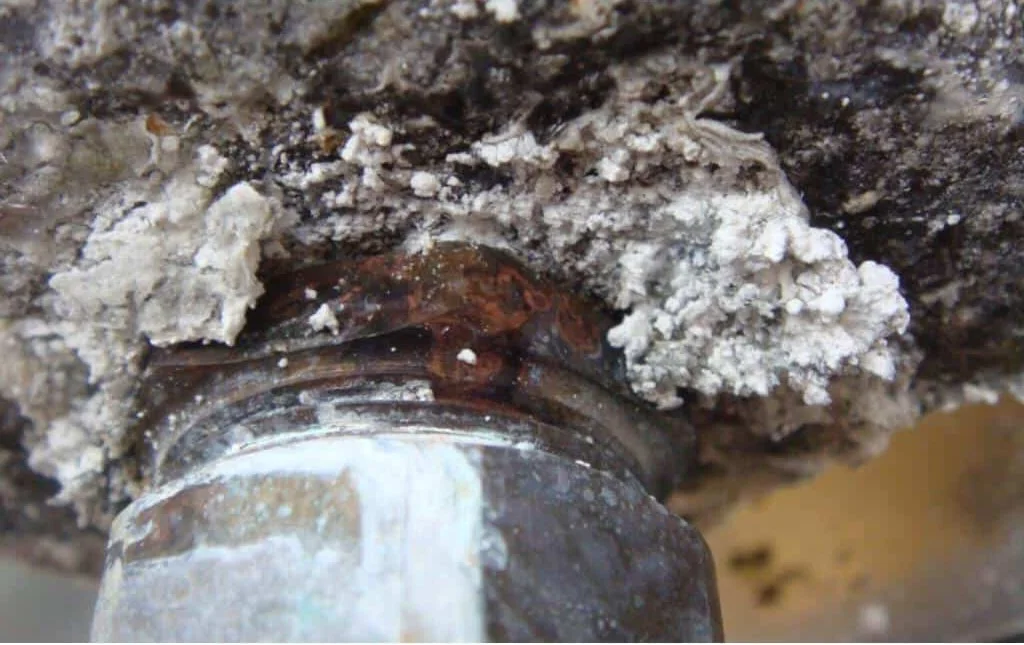
<p><strong>可觀察跡象</strong>是對特定位置可見狀況所作、可重複查證的描述。跡象可能是沉積物、顏色、起泡、裂紋、孔穴、粗糙、鬆動或受損介面。<a href="https://store.astm.org/g0161-24.html">ASTM G161</a> 將外觀變化、導通喪失、咬死及其他功能喪失列為可能與腐蝕相關的證據；該指南也指出，原因不一定總能辨明。我會先描述觀察結果，例如「本體與面板交界處有綠藍色沉積物」，而不直接判定為電偶腐蝕。受控清潔後，「仍有零星孔穴」比「末期點蝕」更能準確描述證據。作用機制及嚴重程度仍須調查。現場照片應包含比例尺、整體方向、近照、部件識別資訊及未受影響的對照區域。</p>
<p><img src="/images/blog/a-visual-guide-to-identifying-and-solving-cable-gland-corrosion-how-to-spot-and-prevent-damage-before-its-too-late/legacy-deposited-entry.webp" alt="設備邊界處的電纜密封接頭周圍有沉積物與變色"></p>
<p><em>沉積物與污漬集中在電纜引入邊界周圍。較寬的畫面也顯示鄰近部件；這些部件可能使液體流經此處或滯留積水。利用全景、確切位置、比例尺及乾淨的對照區域，規劃取樣、安全清潔、材料檢查及表面量測。</em></p>
<h2 id="when-must-the-inspection-stop-and-the-equipment-be-made-safe">何時必須停止檢查並使設備進入安全狀態？</h2>
<p>若可能接觸電氣危害，我會在觸碰、清潔、鎖緊或拆解前停止作業。鬆脫的引入口、受損的外殼邊界、洩漏的製程介質、危險區域管制措施，以及必要的等電位連接或屏蔽路徑，也都需要檢視。應遵循現場的隔離與作業許可制度。此處引用的美國規則 <a href="https://www.govinfo.gov/content/pkg/CFR-2025-title29-vol5/pdf/CFR-2025-title29-vol5-sec1910-333.pdf">29 CFR 1910.333</a> 要求採取安全作業措施，並通常要求將暴露的帶電部件斷電；規則也界定例外情況與管制措施。安全拍照並不代表獲准動手檢查。不要扭轉帶電的接頭、在帶電導體附近刮除沉積物，或擅自加力鎖緊以恢復保護等電位連接。若狀況超出檢查人員的職權，應隔離該區域並通知負責的專業人員。</p>
<h2 id="preserve-the-as-found-condition-before-cleaning">清潔前保存發現時的原始狀況</h2>
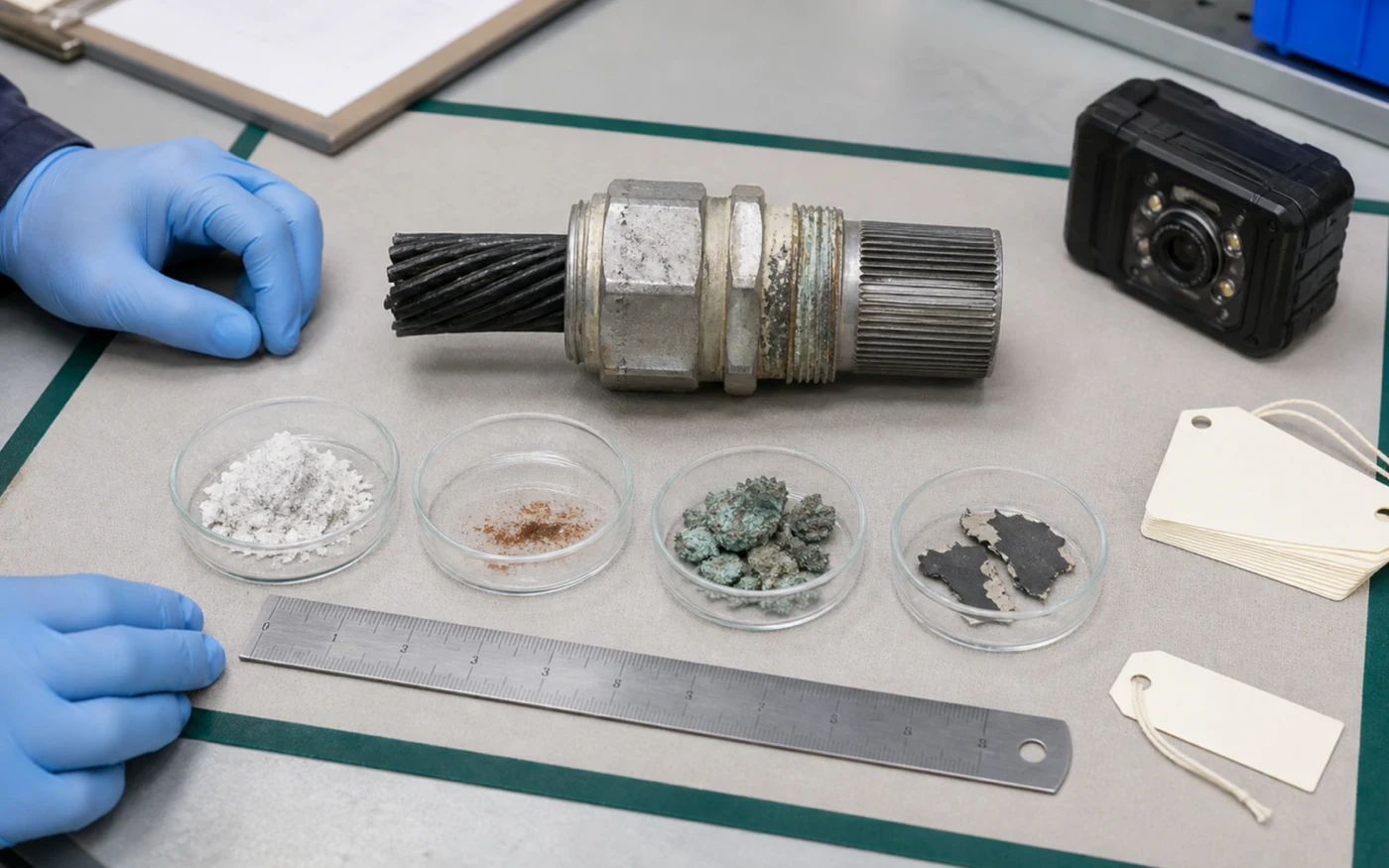
<p>清潔可能移除有助辨識成因的沉積物、污漬界線及剝落塗層。動擾受影響區域前，除了檢視電纜密封接頭的近照，也要先查看較大範圍的設備與電纜路徑。附近的緊固件、塗層、轉接頭及墊圈可能脫落沉積物或滯留水分。例如，外觀看似不鏽鋼的接頭上方若有紅褐色流痕，來源可能是碳鋼支架；擴大觀察範圍並檢查材料，有助於找出來源。</p>
<img alt="有標籤樣品的電纜密封接頭腐蝕檢查工作台" src="/images/blog/a-visual-guide-to-identifying-and-solving-cable-gland-corrosion-how-to-spot-and-prevent-damage-before-its-too-late/corrosion-inspection-evidence-bench.webp" srcset="/images/blog/a-visual-guide-to-identifying-and-solving-cable-gland-corrosion-how-to-spot-and-prevent-damage-before-its-too-late/corrosion-inspection-evidence-bench-960.webp 960w, /images/blog/a-visual-guide-to-identifying-and-solving-cable-gland-corrosion-how-to-spot-and-prevent-damage-before-its-too-late/corrosion-inspection-evidence-bench.webp 1400w" sizes="(max-width: 960px) 100vw, 1400px" width="1400" height="875" loading="lazy" decoding="async">
<p><em>檢查工作台將發現時的零件、全景、近照、比例尺、沉積物樣品、塗層碎片及乾淨金屬試片分開擺放。這種配置可使每份樣品都能追溯至其取樣位置。</em></p>
<h2 id="controlled-cleaning-and-second-inspection">受控清潔與第二次檢查</h2>
<p>只有在記錄完狀況並確認核准方法後，我才會清潔。清潔方法必須保留有效塗層、密封件及證據，同時避免侵蝕基材，或將污染物推入縫隙。若可能需要實驗室鑑定，應保存具代表性的沉積物或塗層碎片，並標示位置與方向。在一致的照明下，將露出的表面與原始紀錄比較。區分可移除污漬、塗層流失、腐蝕產物、孔穴、裂紋、刮傷及金屬缺失。依缺陷特徵與驗收要求選擇量測方式。<a href="https://store.astm.org/standards/g46">ASTM G46</a> 涵蓋對點蝕金屬進行破壞性與非破壞性檢查；其公開適用範圍並未將照片視為剩餘壽命計算，也未規定必須更換電纜密封接頭。</p>
<p>若禁止清潔，或清潔會破壞證據，我會保持原狀並轉交調查。保留可追溯但尚未辨識的樣品，比把證據打磨掉更有用。</p>
<h2 id="appearance-clues-for-the-mechanism-shortlist">從外觀線索建立可能機制的清單</h2>
<p>目視線索有助於縮小後續檢查範圍。<a href="https://www.ampp.org/technical-research/what-is-corrosion">AMPP 的腐蝕概述</a>將可能機制與金屬及環境條件連結起來，其中包括電解質與電流路徑。電解質是其中涉及的導電液體。我會使用下表比較可能原因，因為相似痕跡可能由不同機制造成。</p>
<table>
<thead>
<tr>
<th>安全接近後可觀察到的跡象</th>
<th>應驗證的問題</th>
<th>外觀無法證明的事項</th>
</tr>
</thead>
<tbody>
<tr>
<td>鬆散污漬、類似鹽霜的結殼、油污、灰塵或潮濕沉積物</td>
<td>沉積物的化學成分與來源為何？它是否滯留水分或連接不同金屬？</td>
<td>底層金屬已發生腐蝕</td>
</tr>
<tr>
<td>紅棕色產物</td>
<td>含鐵基材是否已暴露？來源是否可能是流經此處的液體或鄰近鋼製部件？</td>
<td>哪個部件流失了金屬，或還能使用多久</td>
</tr>
<tr>
<td>綠色或藍綠色產物</td>
<td>是否存在含銅合金、塗層、製程化學品或轉移來的污染物？</td>
<td>接頭一定是黃銅製，或已發生電偶腐蝕</td>
</tr>
<tr>
<td>鍍層／塗層起泡、剝落、多孔或刮傷</td>
<td>基材是否暴露？是否涉及前處理、施作、損傷或化學不相容？</td>
<td>基材受侵蝕的深度或塗層系統失效的原因</td>
</tr>
<tr>
<td>受控清潔後仍看得到零星孔穴</td>
<td>這些是蝕坑、製造痕跡、撞擊損傷或孔隙嗎？其深度與分布如何？</td>
<td>僅憑顏色判定生長速率、剩餘壁厚或是否需要更換</td>
</tr>
<tr>
<td>墊圈、密封件、螺紋或沉積物下方的局部腐蝕</td>
<td>受限幾何是否滯留電解質？內部的沉積物與供氧情況是否不同？</td>
<td>未經檢查便確認為縫隙腐蝕機制</td>
</tr>
<tr>
<td>不同金屬交界附近出現優先腐蝕</td>
<td>這些金屬是否電氣連接並暴露於同一電解質？面積比、塗層及電流路徑條件如何？</td>
<td>僅因金屬彼此鄰近就判定為電偶腐蝕</td>
</tr>
<tr>
<td>卡死、黏著磨損、變形或受損的螺紋</td>
<td>狀況是否由腐蝕產物、黏著磨損、斜牙、負荷、碎屑或先前鎖緊造成？</td>
<td>腐蝕是唯一原因，或只要施加扭矩就能修復</td>
</tr>
<tr>
<td>密封承靠面粗糙、有蝕坑、刮傷、位移或遭污染</td>
<td>確切的密封件是否接觸此區域？尺寸與表面狀況是否仍符合要求？</td>
<td>僅憑目視外觀判定已安裝外殼的 IP 結果</td>
</tr>
</tbody>
</table>
<p>我會依紀錄或適當分析確認材料等級、鍍層或塗層、表面處理及鄰近金屬。顏色名稱只描述外觀，不能證明材料身分。若證據無法區分原因，應保留其他可能性。</p>
<h2 id="testing-galvanic-and-crevice-hypotheses">驗證電偶腐蝕與縫隙腐蝕的假設</h2>
<p><strong>作用機制假設</strong>是可驗證的解釋，會預測損傷、沉積物或材料變化可能出現的位置。針對可能的電偶腐蝕，我會確認是否有不同的導電材料、它們是否電氣連接，以及是否暴露於共同電解質。接著比較暴露歷程與損傷分布。<a href="https://store.astm.org/g0071-81r24.html">ASTM G71</a> 涵蓋電解質中的電偶腐蝕測試。實驗室偶對必須能代表材料、表面狀態、相對面積、液體、溫度、曝氣及持續時間，測試結果才適合用於現場案例。</p>
<p>若懷疑縫隙腐蝕，我會繪出墊圈、密封件、螺紋、沉積物、塗層邊緣及接地片下方的受限縫隙，也包括外殼接合處。記錄滯留水分、污染物、排水情況，以及隱蔽表面與暴露表面的差異。只有完成隔離並保存證據後，才可拆解。單一墊圈下方的損傷可能涉及滯留電解質、塗層流失、混合金屬，或多種原因。損傷位置有助驗證假設，但單憑位置無法證明原因。</p>
<p>我會依尚未解答的問題選擇進一步工作。可能需要材料或沉積物分析、顯微檢查、尺寸檢查、塗層厚度、蝕坑深度或電氣測試。應界定方法、不確定度與驗收準則。<a href="https://www.nist.gov/metrology/metrological-traceability">NIST 的計量追溯性指引</a>說明，量測結果須連結至有文件記錄的校正鏈。記錄方法、校正狀態、結果及要求；只記儀器序號並不足夠。</p>
<figure class="blog-chart" style="container-type: inline-size;">
<svg xmlns="http://www.w3.org/2000/svg" viewBox="0 0 480 1828.0" role="img" aria-labelledby="cg-corrosion-title cg-corrosion-desc" style="font-family:var(--font-body); width: 100% !important; max-width: 100% !important; height: auto !important;" id="cg-typography-6176854e00453b80">
<style>
#cg-typography-6176854e00453b80 { --svg-body-screen: 17px; }
@media (max-width: 760px) { #cg-typography-6176854e00453b80 { --svg-body-screen: 16px; } }
</style>
<title id="cg-corrosion-title">從電纜密封接頭腐蝕外觀到矯正措施</title>
<desc id="cg-corrosion-desc">垂直診斷流程將可觀察到的跡象依序連結至安全隔離、記錄發現時狀況、受控清潔與量測、比較競爭的作用機制假設，以及修復、更換、設計修正或進一步調查。</desc>
<defs><marker id="cg-corrosion-arrow" markerWidth="8" markerHeight="8" refX="7" refY="4" orient="auto"><path d="M0 0L8 4L0 8Z" fill="var(--color-primary)" /></marker></defs>
<text x="240" y="45.21" text-anchor="middle" fill="var(--color-carbon)" font-size="24" font-weight="700" style="font-size: calc(22px * 480px / 100cqw) !important;"><tspan x="240" style="font-size:inherit !important;">先觀察；依據量測</tspan><tspan x="240" style="font-size:inherit !important;" dy="37">證據診斷</tspan></text>
<rect x="24" y="116.1" width="432" height="181.6" rx="14" fill="var(--surface-card)" stroke="var(--color-cloud)" stroke-width="2" />
<text x="240" y="153.46" text-anchor="middle" fill="var(--color-carbon)" font-size="20" font-weight="700" style="font-size: calc(18px * 480px / 100cqw) !important;">1. 特定介面的可觀察跡象</text>
<text x="240" y="183.71" text-anchor="middle" fill="var(--color-graphite)" font-size="18" style="font-size: calc(var(--svg-body-screen) * 480px / 100cqw) !important;"><tspan x="240" style="font-size:inherit !important;">沉積物 • 顏色 • 孔穴 • 塗層流失 • 咬死</tspan><tspan x="240" style="font-size:inherit !important;" dy="27">• 密封件損傷</tspan></text>
<text x="240" y="240.42" text-anchor="middle" fill="var(--color-graphite)" font-size="18" style="font-size: calc(var(--svg-body-screen) * 480px / 100cqw) !important;"><tspan x="240" style="font-size:inherit !important;">依位置及表面細節規劃</tspan><tspan x="240" style="font-size:inherit !important;" dy="27">下一項檢查</tspan></text>
<path d="M240 297.706V329.706" fill="none" stroke="var(--color-primary)" stroke-width="3" marker-end="url(#cg-corrosion-arrow)" />
<rect x="24" y="345.71" width="432" height="211.6" rx="14" fill="var(--color-ash)" stroke="var(--color-primary)" stroke-width="3" />
<text x="240" y="383.06" text-anchor="middle" fill="var(--color-carbon)" font-size="20" font-weight="700" style="font-size: calc(18px * 480px / 100cqw) !important;"><tspan x="240" style="font-size:inherit !important;">2. 套用安全與停止作業</tspan><tspan x="240" style="font-size:inherit !important;" dy="30">界線</tspan></text>
<text x="240" y="443.31" text-anchor="middle" fill="var(--color-graphite)" font-size="18" style="font-size: calc(var(--svg-body-screen) * 480px / 100cqw) !important;"><tspan x="240" style="font-size:inherit !important;">隔離電氣、製程、Ex、侵入防護或</tspan><tspan x="240" style="font-size:inherit !important;" dy="27">引入口鬆脫風險</tspan></text>
<text x="240" y="500.02" text-anchor="middle" fill="var(--color-graphite)" font-size="18" style="font-size: calc(var(--svg-body-screen) * 480px / 100cqw) !important;"><tspan x="240" style="font-size:inherit !important;">清潔、鎖緊及測試應採用</tspan><tspan x="240" style="font-size:inherit !important;" dy="27">隔離作業管制</tspan></text>
<path d="M240 557.306V589.306" fill="none" stroke="var(--color-primary)" stroke-width="3" marker-end="url(#cg-corrosion-arrow)" />
<rect x="24" y="605.31" width="432" height="211.6" rx="14" fill="var(--surface-card)" stroke="var(--color-cloud)" stroke-width="2" />
<text x="240" y="642.66" text-anchor="middle" fill="var(--color-carbon)" font-size="20" font-weight="700" style="font-size: calc(18px * 480px / 100cqw) !important;"><tspan x="240" style="font-size:inherit !important;">3. 保存並定位發現時的</tspan><tspan x="240" style="font-size:inherit !important;" dy="30">證據</tspan></text>
<text x="240" y="702.91" text-anchor="middle" fill="var(--color-graphite)" font-size="18" style="font-size: calc(var(--svg-body-screen) * 480px / 100cqw) !important;"><tspan x="240" style="font-size:inherit !important;">全景 + 近照 + 比例尺 + 零件識別 +</tspan><tspan x="240" style="font-size:inherit !important;" dy="27">暴露歷程</tspan></text>
<text x="240" y="759.62" text-anchor="middle" fill="var(--color-graphite)" font-size="18" style="font-size: calc(var(--svg-body-screen) * 480px / 100cqw) !important;"><tspan x="240" style="font-size:inherit !important;">依有文件記錄的取樣計畫，對</tspan><tspan x="240" style="font-size:inherit !important;" dy="27">沉積物或塗層取樣</tspan></text>
<path d="M240 816.906V848.906" fill="none" stroke="var(--color-primary)" stroke-width="3" marker-end="url(#cg-corrosion-arrow)" />
<rect x="24" y="864.91" width="432" height="181.6" rx="14" fill="var(--surface-card)" stroke="var(--color-cloud)" stroke-width="2" />
<text x="240" y="902.26" text-anchor="middle" fill="var(--color-carbon)" font-size="20" font-weight="700" style="font-size: calc(18px * 480px / 100cqw) !important;">4. 清潔、露出表面、量測與測試</text>
<text x="240" y="932.51" text-anchor="middle" fill="var(--color-graphite)" font-size="18" style="font-size: calc(var(--svg-body-screen) * 480px / 100cqw) !important;"><tspan x="240" style="font-size:inherit !important;">採用受控方法，保留表面</tspan><tspan x="240" style="font-size:inherit !important;" dy="27">及證據</tspan></text>
<text x="240" y="989.22" text-anchor="middle" fill="var(--color-graphite)" font-size="18" style="font-size: calc(var(--svg-body-screen) * 480px / 100cqw) !important;"><tspan x="240" style="font-size:inherit !important;">檢查材料 • 沉積物 • 塗層 • 蝕坑 •</tspan><tspan x="240" style="font-size:inherit !important;" dy="27">螺紋 • 密封件 • 導通</tspan></text>
<path d="M240 1046.51V1078.51" fill="none" stroke="var(--color-primary)" stroke-width="3" marker-end="url(#cg-corrosion-arrow)" />
<rect x="24" y="1094.51" width="432" height="211.6" rx="14" fill="var(--surface-card)" stroke="var(--color-cloud)" stroke-width="2" />
<text x="240" y="1131.86" text-anchor="middle" fill="var(--color-carbon)" font-size="20" font-weight="700" style="font-size: calc(18px * 480px / 100cqw) !important;"><tspan x="240" style="font-size:inherit !important;">5. 比較競爭的作用機制</tspan><tspan x="240" style="font-size:inherit !important;" dy="30">假設</tspan></text>
<text x="240" y="1192.11" text-anchor="middle" fill="var(--color-graphite)" font-size="18" style="font-size: calc(var(--svg-body-screen) * 480px / 100cqw) !important;"><tspan x="240" style="font-size:inherit !important;">材料 + 電解質 + 濕潤／乾燥循環 +</tspan><tspan x="240" style="font-size:inherit !important;" dy="27">幾何 + 金屬組合 + 電流路徑</tspan></text>
<text x="240" y="1248.82" text-anchor="middle" fill="var(--color-graphite)" font-size="18" style="font-size: calc(var(--svg-body-screen) * 480px / 100cqw) !important;"><tspan x="240" style="font-size:inherit !important;">選擇受量測特徵支持的</tspan><tspan x="240" style="font-size:inherit !important;" dy="27">原因</tspan></text>
<path d="M240 1306.11V1338.11" fill="none" stroke="var(--color-primary)" stroke-width="3" marker-end="url(#cg-corrosion-arrow)" />
<rect x="24" y="1354.11" width="432" height="449.74" rx="14" fill="var(--surface-card)" stroke="var(--color-cloud)" stroke-width="2" />
<text x="240" y="1391.46" text-anchor="middle" fill="var(--color-carbon)" font-size="20" font-weight="700" style="font-size: calc(18px * 480px / 100cqw) !important;">依證據選擇措施</text>
<text x="44" y="1443.64" fill="var(--color-carbon)" font-size="20" font-weight="700" style="font-size: calc(18px * 480px / 100cqw) !important;">修復</text>
<text x="44" y="1473.89" fill="var(--color-graphite)" font-size="18" style="font-size: calc(var(--svg-body-screen) * 480px / 100cqw) !important;">遵循確切程序及限值</text>
<text x="44" y="1525.53" fill="var(--color-carbon)" font-size="20" font-weight="700" style="font-size: calc(18px * 480px / 100cqw) !important;">更換</text>
<text x="44" y="1555.78" fill="var(--color-graphite)" font-size="18" style="font-size: calc(var(--svg-body-screen) * 480px / 100cqw) !important;">狀況超出驗收限值或修復範圍</text>
<text x="44" y="1607.42" fill="var(--color-carbon)" font-size="20" font-weight="700" style="font-size: calc(18px * 480px / 100cqw) !important;">修正設計</text>
<text x="44" y="1637.67" fill="var(--color-graphite)" font-size="18" style="font-size: calc(var(--svg-body-screen) * 480px / 100cqw) !important;"><tspan x="44" style="font-size:inherit !important;">排除暴露因素或配置</tspan><tspan x="44" style="font-size:inherit !important;" dy="27">弱點</tspan></text>
<text x="44" y="1716.31" fill="var(--color-carbon)" font-size="20" font-weight="700" style="font-size: calc(18px * 480px / 100cqw) !important;">調查</text>
<text x="44" y="1746.56" fill="var(--color-graphite)" font-size="18" style="font-size: calc(var(--svg-body-screen) * 480px / 100cqw) !important;"><tspan x="44" style="font-size:inherit !important;">先收集缺少的證據，再選擇</tspan><tspan x="44" style="font-size:inherit !important;" dy="27">措施</tspan></text>
<path d="M44 1411.5H436" fill="none" stroke="var(--color-cloud)" stroke-width="2" />
<path d="M44 1493.2H436" fill="none" stroke="var(--color-cloud)" stroke-width="2" />
<path d="M44 1574.7H436" fill="none" stroke="var(--color-cloud)" stroke-width="2" />
<path d="M44 1684H436" fill="none" stroke="var(--color-cloud)" stroke-width="2" />
</svg>
<figcaption>診斷流程將可觀察到的跡象依序連結至安全接近、記錄發現時狀況、受控清潔與量測、比較不同假設，最後採取符合證據的矯正措施。</figcaption>
</figure>
<h2 id="how-should-repair-replacement-or-design-correction-be-chosen">應如何選擇修復、更換或設計修正？</h2>
<p><strong>矯正措施</strong>包括修復、更換、重新設計或進一步調查，且須有證據與適用限值作為依據。我會考量量測結果、功能風險及對作用機制的判斷把握度。可見的蝕坑需要評估，但不代表所有接頭都必須更換。記錄蝕坑的位置、深度、分布及剩餘金屬。將其對螺紋與密封承靠面的影響，與產品及設備限值比較。比較結果將決定是否允許修復、是否必須更換，或是否應繼續分析。</p>
<table>
<thead>
<tr>
<th>證據狀態</th>
<th>適當處置</th>
<th>界線</th>
</tr>
</thead>
<tbody>
<tr>
<td>污染物可移除；表面與功能仍在有文件記錄的限值內</td>
<td>依確切程序清潔後恢復使用</td>
<td>記錄方法、檢查結果及防止復發的措施</td>
</tr>
<tr>
<td>局部塗層損傷，且有文件記錄的修復系統適用</td>
<td>修復塗層或表面處理</td>
<td>確認前處理、相容性、厚度、固化情況及受保護介面</td>
</tr>
<tr>
<td>已知損傷超出圖面、產品說明、電氣、密封或專案限值</td>
<td>更換受影響的部件或組件</td>
<td>不得將舊配置的宣稱套用於未經文件記錄的替代品</td>
</tr>
<tr>
<td>反覆腐蝕顯示排水、縫隙、金屬組合、塗層、密封件或暴露條件不相符</td>
<td>修正設計，再依需要修復或更換</td>
<td>重新進行受影響的引入口、電氣、侵入防護、Ex 及材料相關宣稱的合格驗證</td>
</tr>
<tr>
<td>原因、範圍或驗收限值仍不確定</td>
<td>視需要隔離並進一步調查</td>
<td>不得僅憑外觀或未經佐證的判斷恢復使用</td>
</tr>
</tbody>
</table>
<p><a href="https://webstore.iec.ch/en/publication/7034">IEC 62444</a> 適用於由負責製造商或供應商供應的完整電纜密封接頭。我會依確切產品說明及佐證進行修復。重新鍍層、磨除蝕坑、加裝未列明的墊圈、更換密封件，或塗用未指定的膠料，都可能形成未經驗證的結構。</p>
<p><a href="https://webstore.iec.ch/en/publication/2452">IEC 60529</a> 對外殼防護進行分類。清潔無法證明或恢復 IP 結果。若腐蝕或修復改變了電纜密封、引入口密封、壁面、承靠面、緊固件疊層或電纜，我會重新檢查受影響的完整邊界，並在設備恢復使用前完成。</p>
<h2 id="how-can-recurrence-be-prevented-without-guessing">如何在不憑猜測的情況下防止復發？</h2>
<p>我會根據獲證據支持的機制規劃防止復發措施。將已確認的材料與實際介質、溫度、濕潤時間、乾燥狀況、沉積物及清潔劑比較。檢查排水、積水處、縫隙、不同金屬接觸及維護可及性。若提議電氣隔離，應確認必要的保護等電位連接、鎧裝及電磁相容性（EMC）路徑仍完整。</p>
<p>如需重新設計，我會使用<a href="/zh-hant/blog/the-engineers-checklist-for-specifying-stainless-steel-cable-glands-in-corrosive-environments/">不鏽鋼電纜密封接頭腐蝕規格檢查清單</a>，確認材料及完整組件的佐證。可參考<a href="/zh-hant/blog/how-to-choose-the-right-marine-grade-cable-glands-for-your-offshore-applications/">海事級電纜密封接頭選型指南</a>，將離岸暴露條件納入選型。專案標準與認證要求則參考<a href="/zh-hant/blog/a-guide-to-gland-standards-for-the-north-sea-and-other-harsh-offshore-environments/">北海標準指南</a>。</p>
<p>我會依失效後果、預期劣化、暴露變化、過往發現及適用的維護計畫，設定檢查可及性、方法與週期。不存在通用的每月或每年檢查週期。只有在照片與量測的取樣位置、比例尺、照明、方法及設備狀態一致時，才比較其趨勢。</p>
<h2 id="conclusion">結論</h2>
<p>我會以顏色、沉積物、起泡、蝕坑及卡死螺紋定位調查範圍。外觀本身無法判定來源、損傷深度、功能是否仍在，或應採取何種安全措施。保存原始狀況，使設備進入安全狀態，並以受控方法檢查介面。接著透過量測與針對性測試，協助區分可能的作用機制。</p>
<p>若量測結果符合確切產品限值，我會選擇修復；若損傷超出限值或危及關鍵介面，則更換。若證據顯示反覆出現排水不良、液體滯留、材料配對、塗層或暴露問題，應重新設計。若量測無法區分原因或界定損傷範圍，則繼續調查。表面變乾淨並不能證明設備已恢復功能。</p>
<h2 id="cable-gland-corrosion-faqs">電纜密封接頭腐蝕常見問題</h2>
<h3 id="does-green-discoloration-prove-that-a-brass-cable-gland-is-corroding">黃銅電纜密封接頭出現綠色變色，能證明它正在腐蝕嗎？</h3>
<p>不能。綠色或藍綠色物質可能支持來源含銅的假設，但來源可能是接頭、鍍層、鄰近部件、製程化學品或轉移來的沉積物。記錄位置與周邊部件；適當時保存樣品；以受控方法清潔，並在判定作用機制前確認材料。</p>
<h3 id="does-visible-pitting-mean-the-cable-gland-must-always-be-replaced">看得到點蝕就表示一定要更換電纜密封接頭嗎？</h3>
<p>不能只憑外觀套用通用規則。先確認這些孔穴是否為蝕坑，再評估其位置、深度、分布、剩餘截面、對螺紋與密封承靠面的影響，以及適用的驗收限值。量測狀況超出有文件佐證的限值或修復範圍時應更換；否則依指定維護方法處理。</p>
<h3 id="can-a-corroded-cable-gland-be-cleaned-and-returned-to-service">腐蝕的電纜密封接頭可以清潔後恢復使用嗎？</h3>
<p>只有在確切程序允許清潔，且檢查後的配置仍符合所有適用要求時才可以。清潔不得掩蓋塗層流失、蝕坑、裂紋、螺紋損傷、密封承靠面損傷或尚未釐清的原因。記錄方法與結果，並在恢復使用前確認受影響的機械、侵入防護、電氣、EMC 或 Ex 功能。</p>
<h3 id="can-visual-inspection-confirm-ip-protection-or-electrical-continuity">目視檢查能確認 IP 防護或電氣導通嗎？</h3>
<p>不能。目視檢查可以發現需要進一步檢視的狀況，但無法取代外殼侵入防護測試，也無法量化電氣路徑。應採用適用的檢查或測試方法、明確的驗收準則、受控設備及確切的安裝配置。若疑似路徑具有安全功能，應隔離並交由負責人員處理。</p>
<h3 id="sources-and-technical-references">來源與技術參考資料</h3>
<ul>
<li><a href="https://store.astm.org/g0161-24.html">ASTM G161-24 — 腐蝕相關失效分析標準指南</a>，查閱日期：2026-09-06。</li>
<li><a href="https://www.govinfo.gov/content/pkg/CFR-2025-title29-vol5/pdf/CFR-2025-title29-vol5-sec1910-333.pdf">GovInfo — 29 CFR 1910.333，作業方法的選擇與使用</a>，查閱日期：2026-09-06。</li>
<li><a href="https://store.astm.org/standards/g46">ASTM G46 — 點蝕腐蝕的檢查與評估標準指南</a>，查閱日期：2026-09-06。</li>
<li><a href="https://www.ampp.org/technical-research/what-is-corrosion">AMPP — 什麼是腐蝕？</a>，查閱日期：2026-09-06。</li>
<li><a href="https://store.astm.org/g0071-81r24.html">ASTM G71-81(2024) — 電解質中電偶腐蝕測試的執行與評估標準指南</a>，查閱日期：2026-09-06。</li>
<li><a href="https://www.nist.gov/metrology/metrological-traceability">NIST — 計量追溯性</a>，查閱日期：2026-09-06。</li>
<li><a href="https://webstore.iec.ch/en/publication/7034">IEC 62444:2010 — 電氣裝置用電纜密封接頭</a>，查閱日期：2026-09-06。</li>
<li><a href="https://webstore.iec.ch/en/publication/2452">IEC 60529 — 外殼提供的防護等級</a>，查閱日期：2026-09-06。</li>
</ul>