# 迷你接線盒電纜密封接頭選型指南

> Source: https://chinacableglands.com/zh-hant/blog/a-guide-to-selecting-cable-glands-for-mini-junction-boxes/
> Language: zh-Hant
> Publisher: 倍拓電纜接頭
> Author: Edward Wang
> Published: 2026-08-09
> Updated: 2026-10-16

使用依比例繪製的引入口配置圖，規劃迷你接線盒的電纜密封接頭位置，涵蓋電纜範圍、工具迴轉空間、壁面疊層、鎖母、彎曲路徑及端子。

<p><strong>迷你接線盒的電纜密封接頭，應先完成依比例繪製的配置與組裝計畫，再決定開孔位置。</strong> 我會標示每條電纜與接頭的配合、壁面位置、鎖緊順序及通往端子的路徑。只有在完整引入口能配合電纜，並可順利組裝及維修時，較小的螺紋才有用。</p>
<blockquote>
<p><strong>重點摘要</strong></p>
<ul>
<li>「迷你接線盒」是包裝空間限制，不是標準接頭尺寸或電纜範圍。</li>
<li>先準備電纜清單、固定的禁止鑽孔區及依比例繪製的外殼雙面圖；不要一開始就選 M12、M16 或其他熟悉的螺紋。</li>
<li>每個引入口都要為開孔、密封貼合面、本體、扳手操作空間、壁面堆疊、鎖緊螺母、突出長度及彎曲路徑預留空間。</li>
<li>接頭上的 IP 代碼不會自動適用於鑽孔或改裝後的外殼。</li>
<li>引入口擠滿壁面時，應調整配置、接線盒、連接器方案或電纜分配；不要讓接頭尺寸小於電纜要求。</li>
</ul>
</blockquote>
<h2 id="why-do-cable-glands-for-mini-junction-boxes-need-a-separate-layout-check">為什麼迷你接線盒的電纜密封接頭需要單獨檢查配置？</h2>
<p>所謂「 <strong>迷你接線盒</strong> 」是指電纜引入口、端子、導體彎曲、外蓋緊固件及安裝工具，都必須共用有限的壁面與內部空間。接線盒沒有通用尺寸界線可判定何者算「迷你」。應根據接線盒圖面、已安裝元件及組裝流程，界定實際可用空間包絡。</p>
<p>家用及類似固定安裝用途中的接線盒或分支接線盒，屬於 <a href="https://webstore.iec.ch/en/publication/75747">IEC 60670-22:2024</a>所述範圍。供低壓開關設備及控制設備組件使用的空外殼，則屬於另一項標準 <a href="https://webstore.iec.ch/en/publication/67906">IEC 62208:2023</a>的範圍。這些例子凸顯一項實務原則：指定接頭要求前，先確認適用的外殼標準及預定用途。</p>
<figure>
<img alt="多個外殼面裝有電纜密封接頭的三個黑色小型接線盒" src="/images/blog/a-guide-to-selecting-cable-glands-for-mini-junction-boxes/compact-junction-box-entry-layout.webp" srcset="/images/blog/a-guide-to-selecting-cable-glands-for-mini-junction-boxes/compact-junction-box-entry-layout-480.webp 480w, /images/blog/a-guide-to-selecting-cable-glands-for-mini-junction-boxes/compact-junction-box-entry-layout.webp 800w" sizes="(max-width: 640px) 100vw, 800px" width="800" height="800" loading="lazy" decoding="async" />
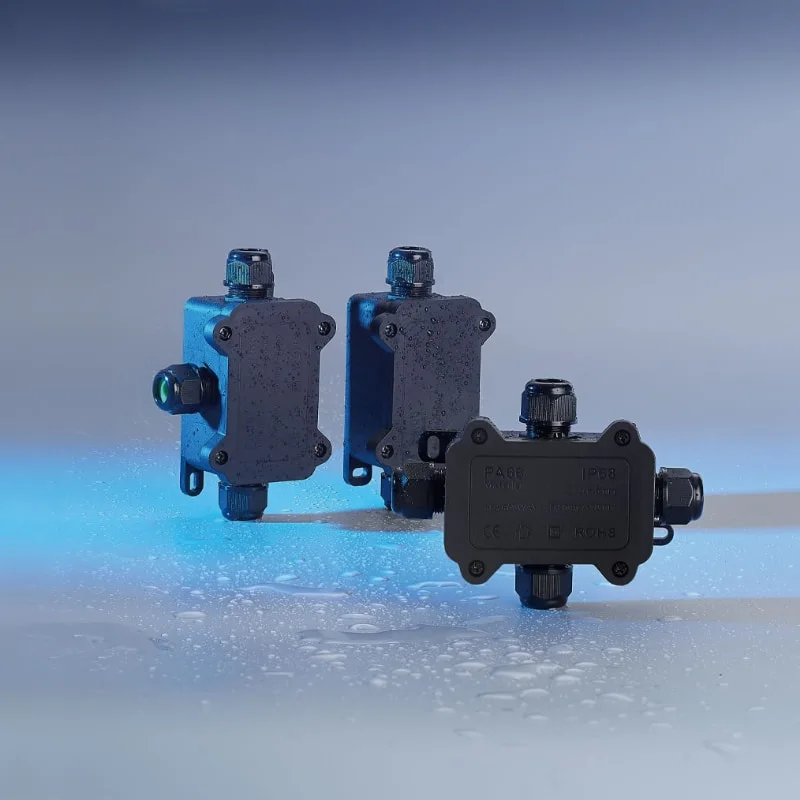
<figcaption>在多個面設置引入口可以減少單一壁面的擁擠，但每種方向都會改變電纜靠近方式、排水、安裝空間及通往端子的內部路徑。</figcaption>
</figure>
<p>接線盒的外寬與外高只是外部界線。外蓋螺絲、墊片座面、圓角、成型肋條、安裝腳、凸台及端子支撐可能占用大部分壁面。圖面外框上看似可行的接頭中心，實際上仍可能讓鎖母壓在肋條上，或擋住下一個引入口所需的工具。</p>
<p>例如，接頭本體組裝後也許不會碰到外蓋螺絲，但用來固定鎖母的套筒或扳手可能與螺絲重疊。把成品零件與工具操作範圍都繪入圖面，可以在第一次鑽孔前發現衝突。</p>
<p>先整理下列受控輸入資料：</p>
<table>
<thead>
<tr>
<th>輸入組別</th>
<th>所需尺寸與紀錄</th>
<th>支援的決策</th>
</tr>
</thead>
<tbody>
<tr>
<td>電纜</td>
<td>結構、公稱外徑、最小與最大外徑、彎曲限制及端接長度</td>
<td>密封配合、保持力及內部佈線</td>
</tr>
<tr>
<td>接頭</td>
<td>確切零件、電纜範圍、引入螺紋、螺紋長度、本體與六角外形、內部突出量</td>
<td>電纜相容性及安裝後整體空間</td>
</tr>
<tr>
<td>外殼</td>
<td>材料、壁厚、開孔或凸台幾何、墊片座面、肋條、外蓋及安裝特徵</td>
<td>引入口強度、貼合及可用壁面面積</td>
</tr>
<tr>
<td>內部元件</td>
<td>端子台、接地點、接續點、導體及維修預留環圈長度</td>
<td>彎曲路徑及安全工作間隙</td>
</tr>
<tr>
<td>組裝方式</td>
<td>鎖母操作空間、扳手類型、鎖緊順序及檢查位置</td>
<td>可製造性及重複性</td>
</tr>
<tr>
<td>環境</td>
<td>水、粉塵、沖洗、紫外線、化學物質、腐蝕、溫度及凝露</td>
<td>材料、密封件及外殼防護要求</td>
</tr>
</tbody>
</table>
<h2 id="build-a-scaled-entry-layout-before-selecting-thread-sizes">選螺紋尺寸前先繪製依比例的引入口配置圖</h2>
<p>我會先繪出接線盒各面，並標示可用的平坦密封區。接著依完整組件所需空間放置每個引入口。納入本體、對邊尺寸、扳手接近方向、墊圈或鎖母、附近電纜彎曲，以及組裝時必須通過的可拆零件。僅標示開孔中心並未保留上述空間。</p>
<figure class="blog-chart" style="container-type: inline-size;">
<svg xmlns="http://www.w3.org/2000/svg" viewBox="0 0 480 1580" role="img" aria-labelledby="mini-box-title mini-box-desc" style="display:block;max-width:480px;margin-inline:auto;font-family:var(--font-body); width: 100% !important; max-width: 100% !important; height: auto !important;" id="cg-typography-da38a17232243892">
<style>
#cg-typography-da38a17232243892 { --svg-body-screen: 17px; }
@media (max-width: 760px) { #cg-typography-da38a17232243892 { --svg-body-screen: 16px; } }
</style>
<title id="mini-box-title">迷你接線盒電纜引入口的四階段間隙檢查</title>
<desc id="mini-box-desc">狹窄流程圖依序檢查電纜與密封件、在外殼壁面配置完整接頭及工具空間、確認螺紋與壁面疊層，並為通往端子的內部電纜路徑預留空間。</desc>
<defs>
<marker id="mini-arrow" markerWidth="12" markerHeight="12" refX="10" refY="6" markerUnits="userSpaceOnUse" orient="auto">
<path d="M1 1L11 6L1 11Z" fill="var(--color-primary)" />
</marker>
</defs>
<text x="240" y="40" text-anchor="middle" fill="var(--color-carbon)" font-size="22" font-weight="700" style="font-size: calc(22px * 480px / 100cqw) !important;">在同一張圖上確認四種配合</text>
<rect x="28" y="72" width="424" height="286" rx="18" fill="var(--surface-card)" stroke="var(--color-primary)" stroke-width="3" />
<circle cx="70" cy="116" r="22" fill="var(--color-primary)" />
<text x="70" y="123" text-anchor="middle" fill="#fff" font-size="18" font-weight="700" style="font-size: calc(16px * 480px / 100cqw) !important;">1</text>
<text x="108" y="114" fill="var(--color-primary)" font-size="17" font-weight="700" style="font-size: calc(18px * 480px / 100cqw) !important;">電纜與密封件</text>
<rect x="66" y="164" width="348" height="66" rx="14" fill="#0b0d10" />
<text x="240" y="191" text-anchor="middle" fill="#fff" font-size="16" style="font-size: calc(var(--svg-body-screen) * 480px / 100cqw) !important;">電纜最小值 - 公稱值 - 最大值</text>
<text x="240" y="215" text-anchor="middle" fill="#fff" font-size="16" style="font-size: calc(var(--svg-body-screen) * 480px / 100cqw) !important;">須位於密封及保持範圍內</text>
<text x="66" y="274" fill="var(--color-carbon)" font-size="16" style="font-size: calc(var(--svg-body-screen) * 480px / 100cqw) !important;">確認確切電纜及接頭版次</text>
<text x="66" y="316" fill="var(--color-carbon)" font-size="16" style="font-size: calc(var(--svg-body-screen) * 480px / 100cqw) !important;">確認預先端接連接器能否穿過</text>
<path d="M240 358v54" stroke="var(--color-primary)" stroke-width="4" marker-end="url(#mini-arrow)" />
<rect x="28" y="424" width="424" height="316" rx="18" fill="var(--surface-card)" stroke="var(--color-carbon)" stroke-width="3" />
<circle cx="70" cy="468" r="22" fill="#0b0d10" />
<text x="70" y="475" text-anchor="middle" fill="#fff" font-size="18" font-weight="700" style="font-size: calc(16px * 480px / 100cqw) !important;">2</text>
<text x="108" y="466" fill="var(--color-carbon)" font-size="17" font-weight="700" style="font-size: calc(18px * 480px / 100cqw) !important;">壁面與工具操作空間</text>
<rect x="72" y="520" width="336" height="144" rx="18" fill="var(--color-ash)" stroke="var(--color-graphite)" stroke-width="3" />
<circle cx="188" cy="592" r="46" fill="var(--surface-card)" stroke="var(--color-primary)" stroke-width="8" />
<circle cx="188" cy="592" r="74" fill="none" stroke="var(--color-graphite)" stroke-width="3" stroke-dasharray="10 8" />
<text x="296" y="548" fill="var(--color-carbon)" font-size="16" style="font-size: calc(16px * 480px / 100cqw) !important;"><tspan x="296" style="font-size:inherit !important;">實線：</tspan><tspan x="296" style="font-size:inherit !important;" dy="26">接頭本體</tspan></text>
<text x="296" y="610" fill="var(--color-carbon)" font-size="16" style="font-size: calc(16px * 480px / 100cqw) !important;"><tspan x="296" style="font-size:inherit !important;">虛線：</tspan><tspan x="296" style="font-size:inherit !important;" dy="26">工具操作空間</tspan></text>
<text x="240" y="712" text-anchor="middle" fill="var(--color-graphite)" font-size="16" style="font-size: calc(var(--svg-body-screen) * 480px / 100cqw) !important;">避開外蓋螺絲、邊緣、肋條及相鄰引入口</text>
<path d="M240 740v54" stroke="var(--color-primary)" stroke-width="4" marker-end="url(#mini-arrow)" />
<rect x="28" y="806" width="424" height="294" rx="18" fill="var(--surface-card)" stroke="var(--color-primary)" stroke-width="3" />
<circle cx="70" cy="850" r="22" fill="var(--color-primary)" />
<text x="70" y="857" text-anchor="middle" fill="#fff" font-size="18" font-weight="700" style="font-size: calc(16px * 480px / 100cqw) !important;">3</text>
<text x="108" y="848" fill="var(--color-primary)" font-size="17" font-weight="700" style="font-size: calc(18px * 480px / 100cqw) !important;">螺紋與壁面疊層</text>
<rect x="78" y="914" width="324" height="28" rx="8" fill="var(--color-graphite)" />
<path d="M156 890v78M324 890v78" stroke="var(--color-carbon)" stroke-width="5" />
<path d="M156 976H324" stroke="var(--color-primary)" stroke-width="5" marker-end="url(#mini-arrow)" />
<text x="240" y="1022" text-anchor="middle" fill="var(--color-carbon)" font-size="16" style="font-size: calc(var(--svg-body-screen) * 480px / 100cqw) !important;">扣除墊圈及壁厚後的有效螺紋長度</text>
<text x="240" y="1064" text-anchor="middle" fill="var(--color-graphite)" font-size="16" style="font-size: calc(var(--svg-body-screen) * 480px / 100cqw) !important;">檢查凸台、鎖母及安裝面</text>
<path d="M240 1100v54" stroke="var(--color-primary)" stroke-width="4" marker-end="url(#mini-arrow)" />
<rect x="28" y="1166" width="424" height="366" rx="18" fill="var(--color-primary)" />
<circle cx="70" cy="1210" r="22" fill="#0b0d10" />
<text x="70" y="1217" text-anchor="middle" fill="#fff" font-size="18" font-weight="700" style="font-size: calc(16px * 480px / 100cqw) !important;">4</text>
<text x="108" y="1208" fill="#fff" font-size="17" font-weight="700" style="font-size: calc(18px * 480px / 100cqw) !important;">內部路徑</text>
<path d="M92 1284C92 1360 176 1336 176 1412S264 1484 326 1420" fill="none" stroke="#fff" stroke-width="18" stroke-linecap="round" />
<rect x="314" y="1372" width="112" height="96" rx="12" fill="#0b0d10" stroke="#fff" stroke-width="3" />
<text x="370" y="1413" text-anchor="middle" fill="#fff" font-size="16" style="font-size: calc(16px * 480px / 100cqw) !important;">端子</text>
<text x="370" y="1442" text-anchor="middle" fill="#fff" font-size="16" style="font-size: calc(18px * 480px / 100cqw) !important;">區域</text>
<text x="240" y="1506" text-anchor="middle" fill="#fff" font-size="16" style="font-size: calc(var(--svg-body-screen) * 480px / 100cqw) !important;">保留彎曲、端接及檢查空間</text>
</svg>
<figcaption>開孔只是小型接線盒引入口配置的一部分。同一張圖也須呈現電纜範圍、完整接頭及工具空間包絡、扣除壁面疊層後的有效螺紋，以及可通往端子的內部路徑。</figcaption>
</figure>
<p>使用單一參考基準，並以 X／Y 座標標示每個開孔中心。我會分別繪出密封座面、最大本體、工具迴轉範圍及內部硬體的外形。將電纜延伸至端子，並標示最早可開始彎曲的位置。即使多個引入口共用相同公稱螺紋，也能清楚區分不同本體與工具。</p>
<p>先放置固定限制：外蓋螺絲、安裝凸台、墊片座面、端子及電纜製造商要求的最小彎曲空間。再加入最大接頭與工具外形。依據這些外形及組裝順序設定中心距。沒有一種通用間距適用於所有接頭。</p>
<p>界定開孔與端子位置時，須依<a href="/zh-hant/blog/how-to-customize-junction-boxes-like-a-pro-the-complete-guide-to-cutouts-holes-and-terminal-installation/">接線盒開孔與端子配置檢查</a>。選擇迷你接線盒時，應比較每個引入口內外兩側的空間：外部工具操作空間，以及內部鎖緊螺母或彎曲區，可能同時限制同一個開孔位置。</p>
<figure class="blog-image">
<picture>
<source media="(max-width: 640px)" srcset="/images/blog/a-guide-to-selecting-cable-glands-for-mini-junction-boxes/mini-box-layout-check-600.webp 600w" type="image/webp">
<img alt="無人操作的工作台上放著開啟且尚未鑽孔的迷你接線盒、雙位置引入口定位模板、電纜密封接頭、鎖母、卡尺及套筒" src="/images/blog/a-guide-to-selecting-cable-glands-for-mini-junction-boxes/mini-box-layout-check.webp" width="1200" height="800" loading="lazy" decoding="async">
</picture>
<figcaption>尚未鑽孔的迷你接線盒、雙位置引入口模板、候選接頭、鎖母、卡尺及套筒，讓壁面與工具空間包絡能在鑽孔前於同一實體畫面中比對。</figcaption>
</figure>
<h2 id="match-the-complete-cable-range-before-minimizing-the-gland">確認完整電纜範圍後，再縮小接頭尺寸</h2>
<p>請選擇 <em>相容且完整的電纜密封接頭</em>，而不是可買到的最小公稱螺紋。完整的電纜最小至最大外徑範圍，必須落在確切接頭的密封與保持範圍內。電纜雖能穿過開孔，但外徑低於密封最小值或高於密封最大值，就不能算節省空間。</p>
<p>完整電纜密封接頭的結構與性能要求，涵蓋於 <a href="https://webstore.iec.ch/en/publication/7034">IEC 62444:2010</a>。其範圍包括 IEC 60423 公制引入螺紋，並允許將標準作為其他引入口類型的指引；但這不會為所有具有相同公稱螺紋代碼的接頭設定通用電纜範圍。</p>
<p>查看接線盒壁面空間前，先記錄電纜輸入資料：</p>
<ol>
<li>製造商、系列、零件編號及圖面版次。</li>
<li>圓形、橢圓形、扁平、波紋、鎧裝、屏蔽或多芯結構。</li>
<li>預定密封面上的成品最小與最大外徑。</li>
<li>護套材料、表面肋條、接縫及允許壓縮量。</li>
<li>最小彎曲要求及任何受限的彎曲方向。</li>
<li>必須穿過接頭的預先端接連接器或端套外形。</li>
<li>引入口處的靜態、彎折、扭轉或拉力負荷。</li>
<li>若接頭作用於內護套、鎧裝層或屏蔽層，須記錄其尺寸。</li>
</ol>
<figure class="blog-chart" style="container-type: inline-size;">
<svg id="mini-box-range-window" xmlns="http://www.w3.org/2000/svg" viewBox="0 0 480 1190" role="img" style="display:block;width:100%;max-width:480px;height:auto;margin-inline:auto; width: 100% !important; max-width: 100% !important; height: auto !important;" aria-labelledby="mini-range-title mini-range-desc">
<style>
#mini-box-range-window { --svg-body-screen: 17px; }
@media (max-width: 760px) { #mini-box-range-window { --svg-body-screen: 16px; } }
</style>
<title id="mini-range-title">電纜製造範圍與接頭密封及保持窗口的比較</title>
<desc id="mini-range-desc">三種區間案例顯示：電纜的兩個極限皆落在聲明的密封與保持窗口內、最小值超出下限，以及最大值超出上限；圖中不指定數值尺寸。</desc>
<style>
#mini-box-range-window .bg { fill:#F7FAF8; }
#mini-box-range-window .panel { fill:#FFFFFF; stroke:#C9D5CE; }
#mini-box-range-window .soft-panel { fill:#E8EEEA; stroke:#809087; }
#mini-box-range-window .accent-panel { fill:#EAF7EF; stroke:#0F8A5F; }
#mini-box-range-window .ink { fill:#17211B; }
#mini-box-range-window .muted { fill:#4A5A50; }
#mini-box-range-window .accent { fill:#0F8A5F; }
#mini-box-range-window .accent-fill { fill:#0F8A5F; }
#mini-box-range-window .seal-line { stroke:#91A69B; }
#mini-box-range-window .retain-line { stroke:#4A5A50; }
#mini-box-range-window .cable-line { stroke:#0F8A5F; }
#mini-box-range-window .reject-line { stroke:#17211B; }
#mini-box-range-window .reject { fill:#B42318; }
#mini-box-range-window .reject-stroke { stroke:#B42318; }
#mini-box-range-window .inverse { fill:#FFFFFF; }
#mini-box-range-window .footer { fill:#17211B; }
:root[data-theme="dark"] #mini-box-range-window .bg { fill:#111814; }
:root[data-theme="dark"] #mini-box-range-window .panel { fill:#18241E; stroke:#52665B; }
:root[data-theme="dark"] #mini-box-range-window .soft-panel { fill:#25342C; stroke:#71867B; }
:root[data-theme="dark"] #mini-box-range-window .accent-panel { fill:#193A2D; stroke:#62D6AB; }
:root[data-theme="dark"] #mini-box-range-window .ink { fill:#F2F7F4; }
:root[data-theme="dark"] #mini-box-range-window .muted { fill:#CAD7D0; }
:root[data-theme="dark"] #mini-box-range-window .accent { fill:#62D6AB; }
:root[data-theme="dark"] #mini-box-range-window .accent-fill { fill:#39B989; }
:root[data-theme="dark"] #mini-box-range-window .seal-line { stroke:#91A69B; }
:root[data-theme="dark"] #mini-box-range-window .retain-line { stroke:#CAD7D0; }
:root[data-theme="dark"] #mini-box-range-window .cable-line { stroke:#62D6AB; }
:root[data-theme="dark"] #mini-box-range-window .reject-line { stroke:#F2F7F4; }
:root[data-theme="dark"] #mini-box-range-window .reject { fill:#FF8A80; }
:root[data-theme="dark"] #mini-box-range-window .reject-stroke { stroke:#FF8A80; }
:root[data-theme="dark"] #mini-box-range-window .inverse { fill:#F7FAF8; }
:root[data-theme="dark"] #mini-box-range-window .footer { fill:#25342C; }
</style>
<rect class="bg" width="480" height="1190"/>
<text class="ink" x="240" y="44" text-anchor="middle" font-family="Inter, Arial, sans-serif" font-size="24" font-weight="700" style="font-size: calc(22px * 480px / 100cqw) !important;">比較完整的</text>
<text class="ink" x="240" y="74" text-anchor="middle" font-family="Inter, Arial, sans-serif" font-size="24" font-weight="700" style="font-size: calc(22px * 480px / 100cqw) !important;">電纜尺寸區間</text>
<text class="muted" x="240" y="106" text-anchor="middle" font-family="Inter, Arial, sans-serif" font-size="18" style="font-size: calc(var(--svg-body-screen) * 480px / 100cqw) !important;">電纜的最小值與最大值</text>
<text class="muted" x="240" y="132" text-anchor="middle" font-family="Inter, Arial, sans-serif" font-size="18" style="font-size: calc(var(--svg-body-screen) * 480px / 100cqw) !important;">都必須落在每個聲明窗口內。</text>
<g font-family="Inter, Arial, sans-serif">
<rect class="accent-panel" x="24" y="160" width="432" height="330" rx="18" stroke-width="3"/>
<text class="accent" x="48" y="202" font-size="22" font-weight="700" style="font-size: calc(18px * 480px / 100cqw) !important;">兩個極限皆在範圍內</text>
<text class="muted" x="48" y="245" font-size="19" style="font-size: calc(16px * 480px / 100cqw) !important;">密封範圍</text>
<line class="seal-line" x1="184" y1="271" x2="418" y2="271" stroke-width="18" stroke-linecap="round"/>
<text class="muted" x="48" y="313" font-size="19" style="font-size: calc(16px * 480px / 100cqw) !important;">保持範圍</text>
<line class="retain-line" x1="206" y1="339" x2="396" y2="339" stroke-width="18" stroke-linecap="round"/>
<text class="ink" x="48" y="383" font-size="19" font-weight="700" style="font-size: calc(16px * 480px / 100cqw) !important;">電纜範圍</text>
<line class="cable-line" x1="226" y1="411" x2="376" y2="411" stroke-width="20" stroke-linecap="round"/>
<circle class="panel cable-line" cx="226" cy="411" r="13" stroke-width="6"/>
<circle class="panel cable-line" cx="376" cy="411" r="13" stroke-width="6"/>
<text class="muted" x="240" y="463" text-anchor="middle" font-size="18" style="font-size: calc(var(--svg-body-screen) * 480px / 100cqw) !important;">兩個生產極限值都仍在範圍內。</text>
<rect class="soft-panel" x="24" y="514" width="432" height="240" rx="18" stroke-width="3"/>
<text class="ink" x="48" y="558" font-size="22" font-weight="700" style="font-size: calc(18px * 480px / 100cqw) !important;">最小值超出下限</text>
<text class="muted" x="48" y="601" font-size="18" style="font-size: calc(16px * 480px / 100cqw) !important;">聲明範圍</text>
<line class="seal-line" x1="184" y1="625" x2="410" y2="625" stroke-width="18" stroke-linecap="round"/>
<text class="muted" x="48" y="665" font-size="18" style="font-size: calc(16px * 480px / 100cqw) !important;">電纜範圍</text>
<line class="reject-line" x1="114" y1="691" x2="350" y2="691" stroke-width="18" stroke-linecap="round"/>
<circle class="panel reject-stroke" cx="114" cy="691" r="14" stroke-width="6"/>
<path class="reject-stroke" d="M96 673L132 709M132 673L96 709" stroke-width="5"/>
<text class="reject" x="240" y="738" text-anchor="middle" font-size="19" font-weight="700" style="font-size: calc(18px * 480px / 100cqw) !important;">拒收或更換型號</text>
<rect class="soft-panel" x="24" y="778" width="432" height="240" rx="18" stroke-width="3"/>
<text class="ink" x="48" y="822" font-size="22" font-weight="700" style="font-size: calc(18px * 480px / 100cqw) !important;">最大值超出上限</text>
<text class="muted" x="48" y="865" font-size="18" style="font-size: calc(16px * 480px / 100cqw) !important;">聲明範圍</text>
<line class="seal-line" x1="88" y1="889" x2="314" y2="889" stroke-width="18" stroke-linecap="round"/>
<text class="muted" x="48" y="929" font-size="18" style="font-size: calc(16px * 480px / 100cqw) !important;">電纜範圍</text>
<line class="reject-line" x1="150" y1="955" x2="386" y2="955" stroke-width="18" stroke-linecap="round"/>
<circle class="panel reject-stroke" cx="386" cy="955" r="14" stroke-width="6"/>
<path class="reject-stroke" d="M368 937L404 973M404 937L368 973" stroke-width="5"/>
<text class="reject" x="240" y="1002" text-anchor="middle" font-size="19" font-weight="700" style="font-size: calc(18px * 480px / 100cqw) !important;">拒收或更換型號</text>
<rect class="footer" x="24" y="1048" width="432" height="54" rx="14"/>
<text class="inverse" x="240" y="1071" text-anchor="middle" font-size="18" font-weight="700" style="font-size: calc(18px * 480px / 100cqw) !important;">螺紋尺寸與電纜範圍</text>
<text class="inverse" x="240" y="1094" text-anchor="middle" font-size="18" font-weight="700" style="font-size: calc(18px * 480px / 100cqw) !important;">是不同的輸入資料</text>
<rect class="accent-fill" x="24" y="1114" width="432" height="54" rx="14"/>
<text class="inverse" x="240" y="1148" text-anchor="middle" font-size="19" font-weight="700" style="font-size: calc(18px * 480px / 100cqw) !important;">進入配置檢查</text>
</g>
</svg>
<figcaption>電纜製造範圍的最小值與最大值，都必須落在確切接頭的密封與保持窗口內。應使用完整區間，而非公稱螺紋尺寸或中間直徑。</figcaption>
</figure>
<p>密封範圍與保持力須分開檢查，詳見 <a href="/zh-hant/blog/what-is-cable-gland-clamping-range-and-why-does-it-matter-for-your-installation/">夾持範圍定義</a>。多條電纜共用一個引入口時，不要將直徑相加或以等效圓代替專用嵌件。請採用 <a href="/zh-hant/blog/how-to-correctly-size-a-cable-gland-for-multiple-cables/">多電纜接頭尺寸選型方法</a> ，並確認每個開孔都對應指定電纜。</p>
<h2 id="select-the-entry-thread-and-wall-arrangement">選擇引入螺紋與壁面配置</h2>
<p>我會沿著軸線由外向內檢查引入口。可用外螺紋長度須容納壁面或凸台厚度、入口墊圈、鎖緊螺母或螺紋接頭、內部配件，以及說明要求的螺紋咬合或突出量。這樣可看出裝妥部件後還剩多少可用螺紋。</p>
<p><a class="article-tool-card article-tool-card-link" href="/zh-hant/resource-center/tools/thread-engagement-length-calculator/" aria-label="螺紋旋合長度計算器"><span class="article-tool-card-index">工具</span><span class="article-tool-card-kicker">螺紋與引入口幾何尺寸</span><strong class="article-tool-card-title">螺紋旋合長度計算器</strong><span class="article-tool-card-copy">確認所需鎖母或攻牙引入口的咬合長度前，先從接頭可用螺紋長度扣除已確認的外殼壁厚、壓縮後的引入口密封件及其他軸向疊層。</span><span class="article-tool-card-formula">Lavail = Lmale − Tstack; Leff = min(Lavail, Lfemale)</span><span class="article-tool-card-inputs" aria-label="計算器輸入項目"><em>可用外螺紋長度</em><em>面板與墊圈的疊合厚度</em><em>內螺紋深度</em></span><span class="article-tool-card-action">開啟計算器 <span aria-hidden="true">-&gt;</span></span></a></p><p>其規定範圍內的導管與相關配件螺紋尺寸要求，見 <a href="https://webstore.iec.ch/en/publication/2112">IEC 60423:2007</a>。公制標示用於識別引入螺紋幾何，並非電纜直徑。NPT 及相關英制管螺紋的尺寸與量規涵蓋於 <a href="https://www.asme.org/codes-standards/find-codes-standards/b1201-pipe-threads-general-purpose-inch">ASME B1.20.1</a>。因此，公制平行螺紋與 NPT 錐形螺紋需要各自匹配的配合特徵、量規及密封方式。</p>
<p>對於較薄的無螺紋壁面，常見配置是通孔、安裝密封件及鎖母，但零件與方向只有產品說明才能界定。成型凸台或攻牙壁面可能使用其他配置。請確認螺紋咬合達到要求，且不會撞到端子，也不會突出過多而卡住導體彎曲路徑。</p>
<p>不要將螺紋密封劑用來補救螺紋系列不相容或安裝面受損。密封劑也可能改變摩擦力及電氣等電位連接。只有在接頭、外殼及安裝說明指定相同產品與施用方式時，才可使用。</p>
<h2 id="check-external-and-internal-clearances-together">同時確認內外間隙</h2>
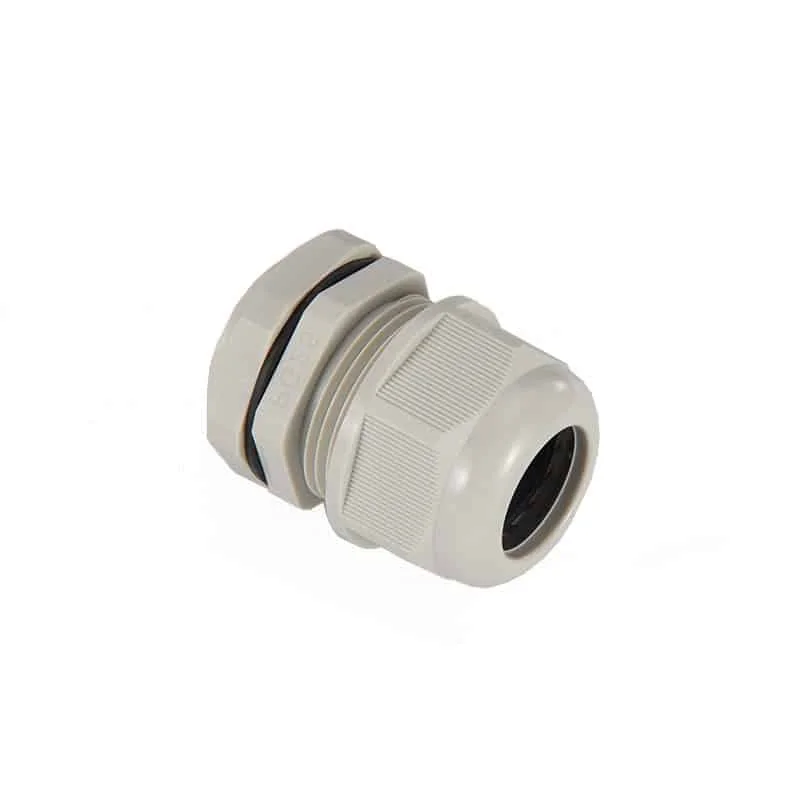
<p>緊湊型安裝常在組裝時失敗，而不是在 CAD 開孔圖樣中出錯。兩個接頭本體鎖緊後可能互不碰撞，但依指定順序操作時，扳手卻無法伸到六角部位。同樣地，空接線盒內可能裝得下鎖母，但安裝端子台後便無法接近。</p>
<figure>
<img alt="灰色緊湊型聚合物電纜密封接頭，附鎖母及短螺紋入口" src="/images/blog/a-guide-to-selecting-cable-glands-for-mini-junction-boxes/compact-polymer-gland.webp" srcset="/images/blog/a-guide-to-selecting-cable-glands-for-mini-junction-boxes/compact-polymer-gland-480.webp 480w, /images/blog/a-guide-to-selecting-cable-glands-for-mini-junction-boxes/compact-polymer-gland.webp 800w" sizes="(max-width: 640px) 100vw, 800px" width="800" height="800" loading="lazy" decoding="async" />
<figcaption>短本體可能有助於緊湊配置，但圖面仍須呈現確切零件的鎖母外形、扳手操作空間、電纜範圍、內部螺紋突出量及密封配置。</figcaption>
</figure>
<p>檢查組裝時的動作空間，而不只是靜態干涉：</p>
<table>
<thead>
<tr>
<th>階段</th>
<th>須確認的間隙</th>
<th>常見的隱藏衝突</th>
</tr>
</thead>
<tbody>
<tr>
<td>插入接頭</td>
<td>本體與螺紋能穿過開孔，並避開外部特徵</td>
<td>相鄰壁面、法蘭或安裝腳阻擋插入</td>
</tr>
<tr>
<td>安裝內部零件</td>
<td>手指能放入墊圈、鎖母及配件</td>
<td>凸台、端子導軌或深壁凹槽阻擋操作</td>
</tr>
<tr>
<td>鎖緊引入口</td>
<td>扳手或核准工具能接觸本體及鎖母</td>
<td>相鄰接頭或外蓋柱阻止工具轉動</td>
</tr>
<tr>
<td>插入電纜</td>
<td>電纜或連接器能依預定順序穿入</td>
<td>預先端接的末端無法穿過接頭喉口</td>
</tr>
<tr>
<td>鎖緊電纜密封件</td>
<td>端蓋工具不會碰到其他引入口及接線盒特徵</td>
<td>排列過密，無法完成最後鎖緊或反向固定</td>
</tr>
<tr>
<td>端接導體</td>
<td>彎曲路徑能通往端子，且不會對接頭施加側向負荷</td>
<td>鎖母突出量占用所需彎曲空間</td>
</tr>
<tr>
<td>檢查及維修</td>
<td>標記、密封件位置及端子仍清楚可見</td>
<td>外蓋邊緣或鄰近電纜遮住驗收位置</td>
</tr>
</tbody>
</table>
<figure class="blog-image">
<picture>
<source media="(max-width: 640px)" srcset="/images/blog/a-guide-to-selecting-cable-glands-for-mini-junction-boxes/mini-box-route-service-check-600.webp 600w" type="image/webp">
<img alt="無人操作且外蓋已打開的迷你接線盒，內有兩個已安裝的電纜密封接頭、分開的電纜彎曲路徑、端子導軌、外蓋、套筒及扳手" src="/images/blog/a-guide-to-selecting-cable-glands-for-mini-junction-boxes/mini-box-route-service-check.webp" width="1200" height="800" loading="lazy" decoding="async">
</picture>
<figcaption>打開的接線盒模型呈現兩個引入口本體、彼此分開的電纜彎曲路徑、端子接近方向、外蓋柱、墊片槽及未使用的維修工具，可一併檢查佈線與操作空間。</figcaption>
</figure>
<p>在圖面註明安裝順序。我會檢查是否必須先裝中央接頭再裝外側接頭，或是端子須在鎖母之後安裝。也要考慮後續維修。若接近某個接頭必須拆除無關電纜，請將這項維修工作納入與縮小接線盒的利弊比較。</p>
<p>例如，三個引入口排成一列，幾何上可能可行，但左至右鎖緊時，已安裝的電纜會擋住下一個端蓋。若明確規定由中央向外組裝，或可解決問題；否則就須調整壁面配置。</p>
<h2 id="decide-between-individual-and-shared-entries">決定採用獨立或共用引入口</h2>
<p>我會先比較維修需求，再決定是否合併引入口。獨立接頭能清楚區分每條電纜的密封、保持及更換路徑，但會占用更多壁面及工具空間。專用多孔接頭可減少引入口數量，但仍須分配開孔、確認嵌件方向，並規劃未使用開孔的封堵方式。一般圓形密封件無法封閉多條電纜間的凹谷。</p>
<p>共用引入口時，我會確認每條電纜的外徑範圍及結構符合其指定開孔，並確認接線盒內的保持力及組裝順序。記錄每個開孔對應的電纜。若拆除電纜，應使用嵌件指定的封孔件，不可用密封劑填補。</p>
<p>將引入口移至兩個或更多外殼面也是一個選項。分散至接線盒各面前，先檢查安裝方向、滴水路徑、安裝表面及電纜接近方向。在某項安裝中，朝下的引入口可能便於管理水流；在另一種配置中卻可能無法接近。</p>
<h2 id="reserve-sealing-lands-and-protected-wall-zones-on-the-layout">在配置圖上保留密封座面及受保護壁面區域</h2>
<p>配置圖必須保留形成外殼邊界所需的表面。外殼對接近、固體異物及水的防護等級分類見 <a href="https://webstore.iec.ch/en/publication/2452">IEC 60529</a>，但 IP 代碼不會指定開孔位置。每個引入口都要標示實際安裝面、電纜、開孔、壁面、墊圈或 O 型環及螺紋配置。</p>
<p>調整引入口位置時，須持續標示下列幾何界線：</p>
<ul>
<li>確切接頭及引入口密封件要求的完整平坦密封座面；</li>
<li>外蓋墊片路徑，包括壓縮區及緊固件；</li>
<li>阻止完整貼合的壁面肋條、轉角、成型凸台及凹入表面；</li>
<li>每個加工開孔周圍的邊距及材料；</li>
<li>未使用開孔及其指定封堵件所需空間；以及</li>
<li>在既定引入口配置下必須保持完整的塗層或表面區域。</li>
</ul>
<p>依<a href="/zh-hant/blog/how-do-you-ensure-proper-seal-integrity-in-junction-box-installations/">接線盒密封完整性程序</a>確認完成的配置。若工作條件包括高壓沖洗，<a href="/zh-hant/blog/when-do-you-need-ip69k-rated-junction-boxes-for-high-pressure-washdown/">接線盒沖洗條件</a>仍是另一項獨立的環境設計輸入。</p>
<p>引入口配置圖控制位置及組裝，但仍須針對核准的開孔圖樣、電纜、密封件、封堵件、方向及安裝方式檢查防護性能。若測試使用不同的開孔圖樣，將結果套用至更密集的配置前，應取得文件化的合理依據。</p>
<h2 id="select-material-from-the-environment-and-interface">依環境及界面選擇材料</h2>
<p>尼龍、鍍鎳黃銅及不鏽鋼是材料類別，並不會自動決定適用用途。應依確切樹脂或合金、密封膠料、溫度限制、紫外線資料、化學相容性、腐蝕配對、機械負荷及法規要求選材。</p>
<table>
<thead>
<tr>
<th>環境條件</th>
<th>向供應商及設計者確認的問題</th>
<th>對緊湊型接線盒的影響</th>
</tr>
</thead>
<tbody>
<tr>
<td>戶外日照</td>
<td>哪些完整接頭及外殼材料具有明確的抗紫外線適用資料？</td>
<td>小型深色接線盒及接頭可能承受較高表面溫度</td>
</tr>
<tr>
<td>化學物質或清潔劑</td>
<td>本體、密封件、墊圈及電纜護套在該濃度與溫度下是否相容？</td>
<td>微小洩漏或零件破裂時，離端子很近</td>
</tr>
<tr>
<td>沿海或潮濕環境</td>
<td>哪些材料配對及腐蝕資料可代表組件？</td>
<td>配線後可能難以檢查鎖母及螺紋</td>
</tr>
<tr>
<td>EMC 屏蔽端接</td>
<td>文件涵蓋哪種電纜屏蔽、接觸系統、面板材料及塗層？</td>
<td>聚合物轉接頭或塗漆壁面可能中斷預定的導電路徑</td>
</tr>
<tr>
<td>危險場所</td>
<td>核准資料及安裝條件中列出哪一款確切接線盒、接頭、電纜及配件？</td>
<td>空間壓力絕不能成為採用未列名替代品的理由</td>
</tr>
<tr>
<td>高溫或低溫</td>
<td>電纜、接頭、外殼及端子的可接受操作溫度範圍是否相符？</td>
<td>熱膨脹及密封行為不同，可能減少餘裕</td>
</tr>
</tbody>
</table>
<p>即使小型密封空間內仍可能含有潮濕空氣，因此凝露需要另行檢查。請依 <a href="/zh-hant/blog/how-can-you-eliminate-internal-condensation-problems-in-electrical-junction-boxes/">接線盒凝露檢查</a> 決定溫度循環、壓力均衡及排水方式。若需要透氣件，請將其完整本體、密封座面、工具操作空間及內部突出量都納入同一張擁擠壁面圖。</p>
<h2 id="conclusion-choose-a-compact-entry-that-remains-workable">結語：選擇緊湊且便於作業的引入口</h2>
<p>我會選擇符合電纜範圍、幾何尺寸、環境及組裝空間要求的最小完整迷你接線盒引入口。外部的本體與工具空間、壁面及螺紋堆疊，以及內部的鎖緊螺母、彎曲區與端子路徑，都會限制同一個引入口，因此必須一併配合。</p>
<p>將電纜、接頭與接線盒畫在同一張按比例繪製的圖面上。若所需空間彼此重疊，我會調整配置或外殼。將電纜範圍、螺紋咬合、密封及維修空間列入要求，讓緊湊設計在組裝與維護時都能實際操作。</p>
<h2 id="faqs-about-cable-glands-for-mini-junction-boxes">迷你接線盒電纜密封接頭常見問題</h2>
<h3 id="is-m12-always-the-smallest-suitable-gland-for-a-mini-junction-box">M12 一定是迷你接線盒適用的最小接頭嗎？</h3>
<p>不是。M12 是一種公制引入螺紋標示，不代表通用的最小接頭或電纜範圍。應依電纜完整外徑區間、所需功能、螺紋與壁面配置、本體空間、工具操作及內部突出量，選擇確切接頭。</p>
<h3 id="how-close-can-two-cable-glands-be-placed">兩個電纜密封接頭可以相距多近？</h3>
<p>沒有通用中心距。將每個接頭的最大本體、墊圈或鎖母、扳手接近路徑及電纜彎曲空間繪入接線盒圖面。只有在預定順序下兩個接頭都能組裝、檢查及維修，間距才足夠。</p>
<h3 id="can-several-cables-share-one-gland-to-save-wall-space">可以共用一個接頭來節省壁面空間嗎？</h3>
<p>只有使用專用多電纜嵌件或引入系統，且其設計涵蓋每條電纜及每個開孔時才可以。不可將多條電纜擠過一般圓形密封件；電纜間的凹谷及不受控負荷會破壞密封與保持力。</p>
<h3 id="what-dimensions-should-appear-on-a-mini-box-entry-drawing">迷你接線盒引入口圖面應標註哪些尺寸？</h3>
<p>標示相對固定基準的開孔中心、所需密封座面、接頭最大本體、墊圈或鎖母、扣除壁面疊層後的有效螺紋、內部突出量、鎖緊工具迴轉空間、電纜彎曲路徑及端子接近方向。另標示外蓋螺絲、墊片路徑、肋條、凸台及必要的組裝順序。</p>
<h3 id="can-a-layout-pass-if-the-gland-bodies-clear-but-the-tools-overlap">若接頭本體不碰撞，但工具操作空間重疊，配置圖仍算合格嗎？</h3>
<p>不算。配置必須讓指定工具能依計畫順序接觸並轉動每個本體、端蓋及鎖母。若已安裝的引入口擋住下一個工具路徑，應調整間距、外殼面、接頭形式或組裝順序，並確認後續檢查及拆卸仍可進行。</p>
<h3 id="sources-and-technical-references">來源與技術參考資料</h3>
<ul>
<li><a href="https://webstore.iec.ch/en/publication/75747">IEC 60670-22:2024，《接線盒與外殼的特定要求》</a>，查閱日期：2026-09-13。</li>
<li><a href="https://webstore.iec.ch/en/publication/67906">IEC 62208:2023，《低壓開關設備與控制設備組件用空外殼》</a>，查閱日期：2026-09-13。</li>
<li><a href="https://webstore.iec.ch/en/publication/7034">IEC 62444:2010，《電氣裝置用電纜密封接頭》</a>，查閱日期：2026-09-13。</li>
<li><a href="https://webstore.iec.ch/en/publication/2112">IEC 60423:2007，《導管及配件的外徑與螺紋》</a>，查閱日期：2026-09-13。</li>
<li><a href="https://www.asme.org/codes-standards/find-codes-standards/b1201-pipe-threads-general-purpose-inch">ASME B1.20.1，《一般用途英制管螺紋》</a>，查閱日期：2026-09-13。</li>
<li><a href="https://webstore.iec.ch/en/publication/2452">IEC 60529 合併版，《外殼提供的防護等級》</a>，查閱日期：2026-09-13。</li>
<li><a href="https://www.nist.gov/metrology/metrological-traceability">NIST，《計量追溯性》</a>，查閱日期：2026-09-13。</li>
</ul>