


Samuel
Picture this: Your product passes all initial tests, gets approved for production, and then fails catastrophically in the field due to moisture buildup or pressure-related damage. Sound familiar? As Samuel, Sales Director at Bepto with over 10 years in the cable accessories industry, I’ve witnessed too many companies skip proper vent plug validation, only to face costly recalls and damaged reputations later.
Proper vent plug testing involves systematic validation of pressure equalization, environmental protection, flow rate performance, and long-term durability through standardized test protocols including Chỉ số chống nước và bụi1 verification, temperature cycling, and accelerated aging tests. This comprehensive approach ensures your breathable vent plugs perform reliably across their entire operational lifespan.
Just last month, I received an urgent call from Robert, a design engineer at a major automotive electronics manufacturer in Detroit. His team had integrated our vent plugs into their new ECU housings without proper validation testing. Three months into production, they started seeing field failures due to condensation buildup during temperature cycling. The lack of proper testing protocols cost them $500,000 in warranty claims and nearly derailed their product launch timeline. 😰
Mục lục
- What Are the Essential Vent Plug Performance Parameters?
- How Do You Set Up Proper Testing Environments and Equipment?
- What Are the Critical Test Procedures and Standards?
- How Do You Interpret Test Results and Validate Performance?
- What Are the Common Testing Mistakes and How to Avoid Them?
- FAQs About Vent Plug Testing
What Are the Essential Vent Plug Performance Parameters?
Understanding the key performance metrics is crucial for developing effective test protocols.
Essential vent plug performance parameters include air flow rate, water ingress protection (IP rating), pressure differential capability, temperature resistance, chemical compatibility, and long-term membrane integrity under various environmental conditions.
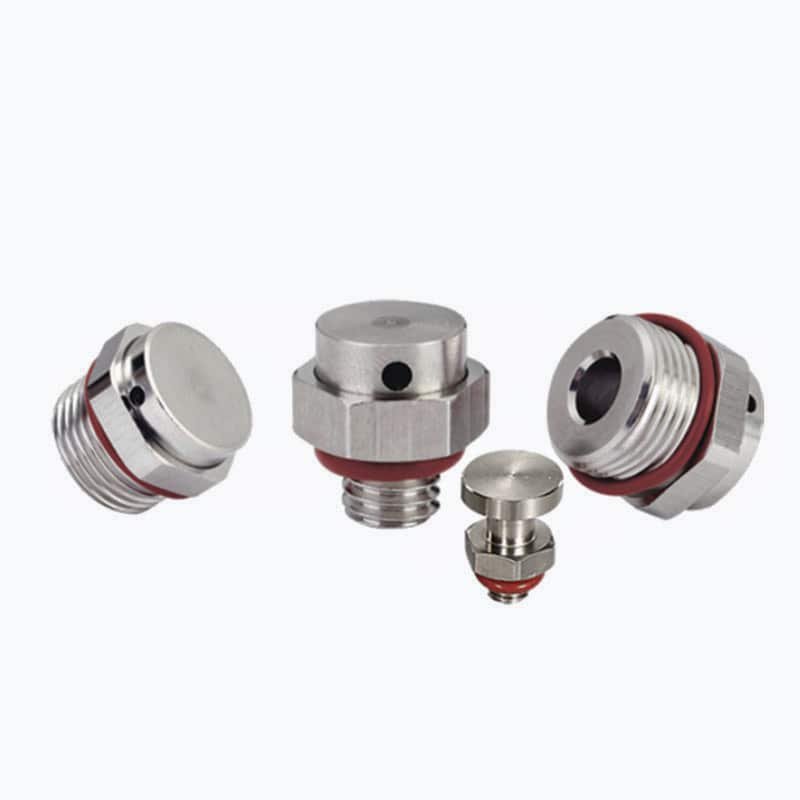
Primary Performance Metrics
Air Flow Rate: Measured in standard cubic centimeters per minute (SCCM2) at specified pressure differentials, typically 1-10 mbar. This determines the vent plug’s ability to equalize pressure during temperature changes and prevent vacuum formation.
IP Rating Validation: Most applications require IP67 or IP68 protection levels. Testing involves submersion tests at specified depths and durations to verify water ingress protection while maintaining breathability.
Pressure Differential Performance: Critical for applications experiencing rapid temperature changes. Typical requirements range from 0.1 to 50 mbar depending on enclosure volume and expected temperature cycling rates.
Environmental Resistance Parameters
Chu kỳ nhiệt độ: Validate performance across the full operating temperature range, typically -40°C to +125°C for automotive and industrial applications. This includes both steady-state and rapid cycling conditions.
Tương thích hóa học: Test resistance to oils, solvents, cleaning agents, and other chemicals the vent plug may encounter in service. PTFE membranes generally offer excellent chemical resistance, but housing materials may vary.
UV and Ozone Resistance: For outdoor applications, validate long-term exposure resistance to prevent material degradation that could compromise sealing or breathability.
At Bepto, we’ve developed comprehensive test matrices covering all these parameters. Our vent plugs undergo rigorous validation including 1000-hour accelerated aging tests and real-world environmental exposure trials to ensure consistent performance.
How Do You Set Up Proper Testing Environments and Equipment?
Establishing the right test setup is fundamental to obtaining reliable and repeatable results.
Proper testing requires controlled environmental chambers, precision pressure measurement equipment, flow rate testing apparatus, and IP rating test fixtures that can simulate real-world operating conditions while providing accurate, repeatable measurements.
Essential Testing Equipment
Environmental Chambers: Temperature and humidity controlled chambers capable of cycling between -40°C to +125°C with humidity control from 10% to 95% RH. These chambers must provide uniform temperature distribution and precise control for repeatable results.
Pressure Testing Systems: Differential pressure transducers with accuracy better than ±0.1% of reading, capable of measuring pressures from 0.1 mbar to 100 mbar. Include both positive and negative pressure capability for comprehensive testing.
Flow Rate Measurement: Mass flow controllers and meters capable of measuring air flow rates from 0.1 to 1000 SCCM with high accuracy. Ensure calibration traceability to national standards.
Test Fixture Design Considerations
Enclosure Simulation: Create test fixtures that accurately represent your actual product enclosure, including internal volume, vent plug mounting configuration, and thermal mass characteristics.
Độ kín: Ensure test fixtures provide proper sealing around the vent plug to prevent bypass leakage that could invalidate test results. Use appropriate O-rings and sealing compounds.
Instrumentation Access: Design fixtures with proper sensor mounting points for temperature, pressure, and humidity measurements without compromising the test environment.
I remember working with Hassan, a quality manager at a petrochemical equipment manufacturer in Abu Dhabi, who initially tried to use makeshift test setups. His inconsistent results led to specification disputes with customers. After implementing proper test equipment and procedures, his validation process became the gold standard in their industry.
What Are the Critical Test Procedures and Standards?
Following established test procedures ensures consistent, reliable validation of vent plug performance.
Critical test procedures include IP rating verification per IEC 60529, flow rate testing per ISO standards, temperature cycling validation, accelerated aging tests, and chemical resistance evaluation following ASTM protocols3 for comprehensive performance validation.
IP Rating Verification Procedures
IPX7 Testing: Submersion in 1 meter of water for 30 minutes while monitoring for internal pressure changes or moisture ingress. The vent plug must maintain breathability while preventing water ingress.
IPX8 Testing: Continuous submersion under conditions agreed between manufacturer and user, typically 1.5 meters for 24 hours. This validates performance under more severe water exposure conditions.
Thử nghiệm bảo vệ chống bụi: IP6X validation requires exposure to talcum powder in a dust chamber for 8 hours with specified air circulation, followed by inspection for dust ingress.
Flow Rate Testing Protocols
Standard Conditions: Measure flow rate at 23°C ± 2°C, 50% ± 5% RH, and 1013 mbar ± 10 mbar atmospheric pressure. Use dry, clean air for consistency.
Pressure Differential Testing: Test at multiple pressure differentials (1, 5, 10, 25, 50 mbar) to characterize flow vs. pressure relationship and identify any non-linear behavior.
Sự phụ thuộc vào nhiệt độ: Measure flow rate at minimum, nominal, and maximum operating temperatures to quantify temperature effects on breathability.
Accelerated Aging Validation
Quá trình biến đổi nhiệt: 1000 cycles between -40°C and +125°C with 30-minute dwells at each extreme, followed by full performance verification.
Quá trình dao động độ ẩm: 500 cycles between 10% and 95% RH at 40°C, testing membrane integrity and housing seal performance.
Tiếp xúc với hóa chất: Immersion in relevant chemicals for specified durations, followed by performance testing to validate maintained functionality.
How Do You Interpret Test Results and Validate Performance?
Proper data analysis and interpretation are crucial for making informed design decisions.
Test result interpretation involves comparing measured values against specifications, analyzing trends over time, identifying failure modes, calculating safety margins, and determining if performance meets application requirements throughout the expected product lifecycle.
Performance Criteria Analysis
Flow Rate Acceptance: Verify measured flow rates meet minimum requirements with appropriate safety margins. Typical acceptance criteria require measured values to be 110-150% of minimum specification to account for manufacturing variation and aging effects.
Tuân thủ tiêu chuẩn xếp hạng IP: Zero tolerance for water ingress during IP testing. Any moisture detection indicates test failure and requires investigation of root cause, whether membrane failure, seal compromise, or installation issues.
Khả năng chịu chênh lệch áp suất: Verify the vent plug can handle maximum expected pressure differentials without membrane rupture or permanent deformation. Include safety factors for unexpected operating conditions.
Trend Analysis and Degradation Assessment
Performance Degradation Tracking: Monitor how key parameters change throughout accelerated aging tests. Establish maximum allowable degradation limits (typically 20-30% for flow rate) before considering the test a failure.
Failure Mode Identification: Analyze failure patterns to understand root causes. Common failure modes include membrane clogging, seal degradation, housing cracking, or chemical attack on materials.
Phân tích thống kê: Use appropriate statistical methods to analyze test data, including confidence intervals, regression analysis for trend identification, and correlation analysis between different parameters.
Documentation and Validation Records
Tạo báo cáo kiểm tra: Create comprehensive test reports documenting all procedures, equipment used, environmental conditions, raw data, analysis results, and conclusions. Include photos of test setup and any observed failures.
Specification Compliance Matrix: Develop clear matrices showing how test results compare to specifications, highlighting any areas of concern or margin deficiency.
Design Validation Sign-off: Establish clear criteria for design validation approval, including required test completion, performance compliance, and appropriate safety margins.
What Are the Common Testing Mistakes and How to Avoid Them?
Learning from common pitfalls can save significant time and resources in your validation process.
Common testing mistakes include inadequate environmental control, improper test fixture design, insufficient test duration, ignoring statistical significance, poor documentation practices, and failing to test under realistic operating conditions that represent actual field use.
Environmental Control Issues
Temperature Uniformity Problems: Inadequate chamber design or overloading can create temperature gradients that invalidate test results. Ensure proper air circulation and avoid blocking chamber airflow with test fixtures.
Humidity Control Failures: Many chambers struggle with humidity control at temperature extremes. Verify humidity accuracy throughout your test temperature range and calibrate sensors regularly.
Pressure Measurement Errors: Barometric pressure variations can significantly affect flow rate measurements. Use differential pressure measurements referenced to chamber conditions, not absolute pressure readings.
Test Fixture and Setup Problems
Bypass Leakage: Poor sealing around test fixtures allows air flow that bypasses the vent plug, leading to erroneously high flow rate measurements. Use proper O-ring grooves and sealing compounds.
Tác động của khối lượng nhiệt: Test fixtures with excessive thermal mass can create temperature lag that doesn’t represent real product behavior. Design fixtures to match your actual product’s thermal characteristics.
Dao động và ứng suất cơ học: Laboratory environments may not replicate mechanical stresses present in actual applications. Consider adding vibration or mechanical stress during testing for critical applications.
Data Analysis and Documentation Errors
Insufficient Sample Size: Việc chỉ kiểm tra một hoặc hai mẫu sẽ không mang lại độ tin cậy thống kê đủ cao. Hãy sử dụng cỡ mẫu phù hợp dựa trên các yêu cầu thống kê và mức độ chấp nhận rủi ro.
Bỏ qua độ không chắc chắn của phép đo: Tất cả các kết quả đo đều có độ không chắc chắn cần được xem xét khi so sánh với các thông số kỹ thuật. Cần tính đến độ chính xác của thiết bị, độ không chắc chắn trong quá trình hiệu chuẩn và các yếu tố môi trường.
Kiểm soát thay đổi kém: Việc điều chỉnh quy trình hoặc thiết bị thử nghiệm mà không có tài liệu ghi chép đầy đủ có thể làm mất giá trị so sánh giữa các lần thử nghiệm. Cần duy trì các quy trình kiểm soát thay đổi và ghi chép tài liệu một cách nghiêm ngặt.
Còn nhớ Robert ở Detroit không? Sau khi áp dụng các quy trình kiểm tra phù hợp và tránh những sai lầm thường gặp này, nhóm của anh ấy không chỉ khắc phục được các sự cố tại hiện trường mà còn tối ưu hóa việc lựa chọn nút thông hơi để nâng cao độ tin cậy tổng thể của sản phẩm. Quy trình xác nhận mới của họ đã trở thành mô hình cho các dòng sản phẩm khác trong công ty.
Kết luận
Việc kiểm tra và xác nhận chất lượng nắp thông hơi đúng cách không phải là điều tùy chọn—mà là yếu tố thiết yếu để đảm bảo độ tin cậy của sản phẩm và sự hài lòng của khách hàng. Bằng cách nắm vững các thông số hiệu suất quan trọng, thiết lập môi trường thử nghiệm phù hợp, tuân thủ các quy trình tiêu chuẩn, phân tích kết quả một cách chính xác và tránh những sai lầm thường gặp, quý vị có thể đảm bảo rằng các nắp thông hơi của mình sẽ hoạt động ổn định trong suốt vòng đời sử dụng. Khoản đầu tư vào việc thử nghiệm toàn diện sẽ mang lại lợi ích thông qua việc giảm chi phí bảo hành, nâng cao sự hài lòng của khách hàng và củng cố uy tín sản phẩm.
Tại Bepto, chúng tôi cam kết hỗ trợ các hoạt động xác nhận của quý khách bằng các nút thông hơi chất lượng cao, tài liệu kỹ thuật đầy đủ và sự tư vấn chuyên sâu dựa trên kinh nghiệm dày dặn suốt một thập kỷ của chúng tôi. Đừng để việc kiểm tra không đầy đủ làm ảnh hưởng đến thành công của sản phẩm – hãy áp dụng các quy trình xác nhận đúng đắn ngay từ đầu và đảm bảo thiết kế của quý khách đáp ứng các tiêu chuẩn cao nhất về hiệu suất và độ tin cậy.
FAQs About Vent Plug Testing
Hỏi: Tôi nên tiến hành thử nghiệm lão hóa gia tốc đối với nút thông hơi trong bao lâu?
A: Tiến hành các thử nghiệm lão hóa gia tốc trong thời gian tối thiểu 1.000 giờ với các hệ số gia tốc phù hợp dựa trên nhiệt độ và độ ẩm. Thời gian này thường tương đương với 5–10 năm tuổi thọ sử dụng bình thường, tùy thuộc vào điều kiện vận hành của ứng dụng và mức độ tin cậy yêu cầu.
Câu hỏi: Tôi nên chỉ định lưu lượng bao nhiêu cho ứng dụng nút thông hơi của mình?
A: Tính toán lưu lượng cần thiết dựa trên thể tích buồng kín, tốc độ thay đổi nhiệt độ dự kiến và chênh lệch áp suất cho phép. Các yêu cầu thông thường dao động từ 5 đến 50 SCCM ở áp suất 10 mbar, nhưng cần xác minh lại thông qua phân tích nhiệt đối với các điều kiện ứng dụng cụ thể của bạn.
Hỏi: Tôi có thể áp dụng cùng một quy trình kiểm tra cho các kích thước nút thông hơi khác nhau không?
A: Đúng vậy, nhưng cần điều chỉnh các thông số thử nghiệm cho phù hợp với các kích thước khác nhau. Các nút thông hơi có kích thước lớn hơn thường có lưu lượng cao hơn và có thể yêu cầu chênh lệch áp suất khác nhau. Cần duy trì các điều kiện thử nghiệm và kỹ thuật đo lường nhất quán trên tất cả các kích thước để đảm bảo tính chính xác của các so sánh.
Câu hỏi: Tôi nên kiểm tra lại hiệu suất của nút thông hơi bao lâu một lần trong quá trình sản xuất?
A: Triển khai Kiểm soát quá trình thống kê4 với việc lấy mẫu định kỳ dựa trên khối lượng sản xuất và đánh giá rủi ro. Tần suất lấy mẫu thông thường dao động từ mỗi 1.000 đến 10.000 sản phẩm, tùy thuộc vào mức độ quan trọng của ứng dụng, kèm theo các thử nghiệm xác nhận đầy đủ được thực hiện hàng năm hoặc khi có thay đổi về thiết kế.
Hỏi: Tôi nên làm gì nếu nút thông hơi của tôi không đạt tiêu chuẩn chống thấm nước?
A: Trước tiên, hãy kiểm tra lại thiết lập và quy trình thử nghiệm để loại trừ các trường hợp hỏng hóc giả. Nếu xác nhận có sự cố, hãy kiểm tra xem nút thông hơi có bị hư hỏng không, đảm bảo lắp đặt đúng cách và kiểm tra các bề mặt tiếp xúc. Nếu xảy ra các sự cố có tính hệ thống, hãy liên hệ với nhà cung cấp để được hỗ trợ kỹ thuật và xem xét các điều chỉnh thiết kế cần thiết.
-
Xem biểu đồ chi tiết giải thích hệ thống xếp hạng Bảo vệ Xâm nhập (IP) và ý nghĩa của các con số đối với khả năng chống bụi và chống nước. ↩
-
Tìm hiểu định nghĩa về “Standard Cubic Centimeters per Minute” (SCCM), một đơn vị đo lưu lượng khối lượng của khí ở nhiệt độ và áp suất tiêu chuẩn. ↩
-
Khám phá vai trò của ASTM International, một tổ chức chuyên xây dựng và công bố các tiêu chuẩn kỹ thuật tự nguyện dựa trên sự đồng thuận cho một loạt các loại vật liệu, sản phẩm và dịch vụ. ↩
-
Tìm hiểu tổng quan cơ bản về Kiểm soát quá trình bằng thống kê (SPC), một phương pháp kiểm soát chất lượng sử dụng các công cụ thống kê để theo dõi và kiểm soát quá trình. ↩
