

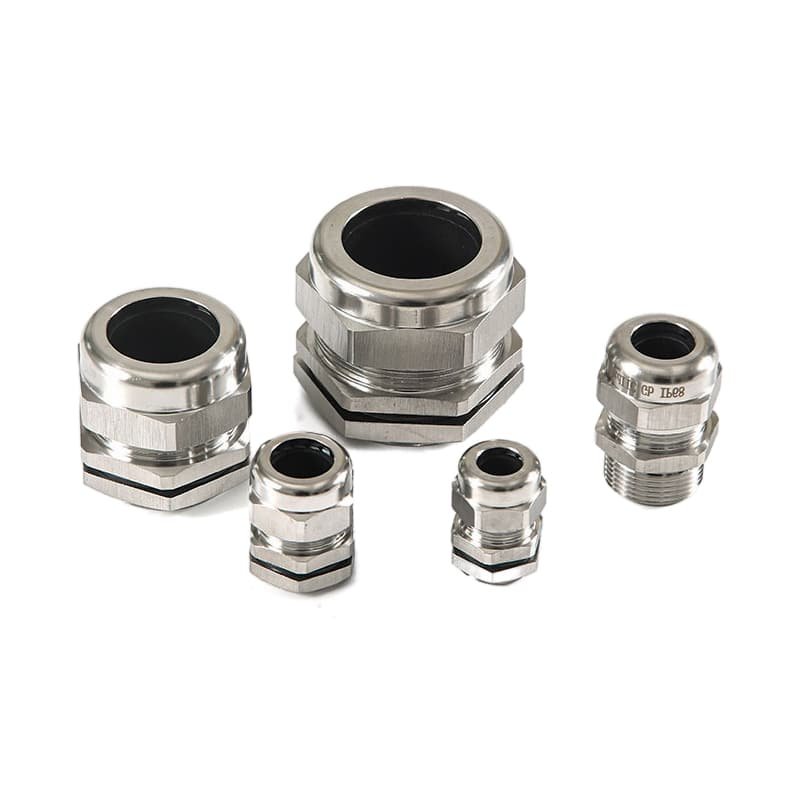
โซน 2 – โซนกระเด็นของอาหาร:.
ก้านเกลียวสำหรับสายไฟเกรดอาหารต้องใช้วัสดุที่ได้รับการรับรองจาก FDA (21 CFR 177) ได้รับการรับรองจาก NSF สำหรับการใช้งานสัมผัสอาหารโดยตรง มีหลักการออกแบบที่ถูกสุขอนามัย มีความต้านทานต่อสารเคมีที่ใช้ในการทำความสะอาด และ เอกสารที่สนับสนุนการปฏิบัติตาม HACCP สำหรับการดำเนินงานแปรรูปอาหารอย่างปลอดภัย1.
Last week, David called me in panic. His dairy processing plant faced an FDA inspection, and they discovered several cable glands in their clean rooms weren’t food grade compliant. The potential violations could have shut down production worth €2 million per day. This incident highlights why food grade compliance isn’t optional in processing plants.
สารบัญ
- What Are the Essential Food Grade Requirements for Cable Glands?
- How Do FDA and NSF Standards Apply to Cable Gland Materials and Design?
- What Sanitary Design Principles Must Cable Glands Follow in Food Processing?
- How Do You Specify and Verify Food Grade Cable Glands for Different Processing Zones?
What Are the Essential Food Grade Requirements for Cable Glands?
Food grade cable glands must meet stringent material, design, and documentation requirements that go far beyond standard industrial applications. Understanding these requirements prevents costly compliance failures.
Essential food grade requirements include FDA-compliant materials per 21 CFR 177.2600, NSF/ANSI 51 certification for food equipment, sanitary design with smooth surfaces and minimal crevices, resistance to cleaning chemicals and sanitizers, and comprehensive documentation supporting food safety management systems.

FDA Material Compliance Requirements
21 CFR 177.2600 – ผลิตภัณฑ์ยางที่ตั้งใจใช้ซ้ำ2:
- Materials must be listed in FDA regulations
- Migration testing required for food contact surfaces
- Temperature and pH limitations must be observed
- Extraction testing with food simulants
Approved Material Categories:
- สแตนเลส: 316L minimum for food contact
- Food grade elastomers: EPDM, FKM, silicone with FDA approval
- Engineering plastics: PEEK, POM, PTFE with proper certification
- Coatings and lubricants: NSF H1 approved only
Material Documentation Requirements:
- Certificate of compliance from material supplier
- Migration test reports for food contact applications
- Temperature and chemical resistance data
- Traceability records for material lots
Hassan recently told me: “Chuck, your detailed material compliance documentation saved us during our USDA inspection. The inspector was impressed with the completeness of our records.”
NSF Certification Standards
NSF/ANSI 51 – วัสดุอุปกรณ์อาหาร3:
- Covers materials in direct and indirect food contact
- Requires independent testing and certification
- Annual surveillance audits for continued compliance
- Public database of certified products
NSF/ANSI 2 – Food Equipment Design:
- Sanitary design requirements
- Cleanability and inspectability standards
- Drainage and accessibility requirements
- Material junction specifications
Regulatory Zone Classifications
Zone 1 – Direct Food Contact:
- Surfaces directly touching food products
- Strictest material and design requirements
- Regular cleaning and sanitization protocols
- FDA 21 CFR 177 compliance mandatory
Zone 2 – Food Splash Zone:
- ควอเทอร์นารีแอมโมเนียม
- Food grade materials recommended
- Enhanced cleaning procedures required
- NSF certification preferred
Zone 3 – Non-Food Areas:
- Equipment rooms and utility areas
- Standard industrial materials acceptable
- Basic sanitation requirements
- Focus on preventing contamination migration
At Bepto, we maintain comprehensive food grade certifications and can provide detailed compliance documentation for any food processing application. Our materials team stays current with all regulatory updates. 😉
How Do FDA and NSF Standards Apply to Cable Gland Materials and Design?
FDA and NSF standards establish specific requirements for materials, surface finishes, and design features that affect food safety. These standards directly impact cable gland selection and specification.
FDA and NSF standards require non-toxic materials with documented food contact approval, smooth surfaces without harboring bacteria, chemical resistance to cleaning agents, temperature stability under processing conditions, and design features that prevent contamination accumulation.

เกณฑ์การคัดเลือกวัสดุ
Stainless Steel Requirements:
- Grade 316L minimum: ความต้านทานการกัดกร่อนที่เหนือกว่า
- ผิวสำเร็จ: 32 Ra or better for food contact
- Passivation: การบำบัดพื้นผิวที่สอดคล้องกับมาตรฐาน ASTM A9674
- Welding: Proper heat treatment to maintain corrosion resistance
Elastomer Selection:
- อีพีดีเอ็ม: Excellent for dairy and beverage applications
- FKM (Viton): High temperature and chemical resistance
- ซิลิโคน: Wide temperature range, FDA approved grades
- หลีกเลี่ยง: NBR, natural rubber, and non-approved compounds
Engineering Plastic Options:
- พีอีอีเค: Exceptional chemical and temperature resistance
- POM (Delrin): Good mechanical properties, limited temperature
- พีทีเอฟอี: Excellent chemical resistance, low friction
- ไนลอน: Limited use due to moisture absorption
Surface Finish Requirements
Critical Surface Characteristics:
- Roughness: ไมโครนิ้ว สำหรับการสัมผัสอาหารโดยตรง
- Porosity: Non-porous surfaces prevent bacterial growth
- Crevices: Eliminate or minimize to prevent contamination
- การระบายน้ำ: Design for complete liquid removal
David shared: “The surface finish requirements were more stringent than we expected. Your guidance on proper specifications prevented costly rework.”
Chemical Resistance Testing
Cleaning Agent Compatibility:
- Alkaline cleaners: Sodium hydroxide solutions up to 4%
- Acid cleaners: Nitric and phosphoric acid solutions
- Sanitizers: คลอรีน, ควอเทอร์นารีแอมโมเนียม, กรดเปอร์อะซีติก
- CIP solutions: Combined cleaning and sanitizing chemicals
Testing Protocols:
- ASTM D543 – Chemical resistance of plastics
- ASTM D471 – Rubber property changes in liquids
- FDA extraction testing with food simulants
- Accelerated aging under processing conditions
ข้อกำหนดด้านประสิทธิภาพของอุณหภูมิ
Processing Temperature Ranges:
- Pasteurization: 72-85°C continuous exposure
- Sterilization: 121-134°C for specified durations
- Cleaning cycles: 85-95°C with chemical solutions
- การวนรอบความร้อน: Multiple heating and cooling cycles
Material Performance Validation:
- Long-term stability testing at maximum temperatures
- Thermal cycling to simulate process conditions
- Property retention after cleaning chemical exposure
- Seal integrity under temperature variations
What Sanitary Design Principles Must Cable Glands Follow in Food Processing?
Sanitary design principles ensure cable glands don’t create contamination risks or cleaning challenges in food processing environments. These principles are fundamental to food safety compliance.
Sanitary design principles require smooth, continuous surfaces without crevices, self-draining configurations, accessibility for cleaning and inspection, materials that withstand cleaning chemicals, and design features that prevent bacterial growth and contamination accumulation.

Surface Design Requirements
Smooth Surface Principles:
- No sharp corners: Minimum 3mm radius on all edges
- Continuous surfaces: Avoid joints and seams where possible
- Polished finishes: 32 Ra or better for direct food contact
- Weld quality: Smooth, continuous welds without undercuts
Crevice Elimination:
- Gasket design: Captured seals prevent contamination traps
- การออกแบบเส้นด้าย: Minimize exposed threads in food zones
- Component interfaces: Flush mounting without gaps
- Cable entry: Sealed against ingress of cleaning solutions
Drainage and Accessibility
Self-Draining Design:
- Slope requirements: Minimum 1:100 slope for liquid drainage
- Low points: Eliminate areas where liquids can pool
- Orientationหลักการออกแบบด้านสุขอนามัยที่นำมาใช้
- Drain paths: Clear, unobstructed drainage routes
Cleaning Accessibility:
- การตรวจสอบด้วยสายตา: All surfaces must be visible or accessible
- Cleaning reach: Within standard cleaning tool reach
- การถอดประกอบ: Designed for easy cleaning access when required
- ข้อกำหนดของเครื่องมือ: Standard tools for maintenance access
Hassan told me: “The sanitary design principles you taught us transformed our approach to equipment specification. Our cleaning efficiency improved dramatically.”
Hygienic Connection Methods
Sanitary Clamp Connections:
- Tri-clamp fittings: Standard sanitary connections
- Gasket materials: FDA-approved elastomers only
- ผิวสำเร็จ: Consistent with piping system requirements
- การติดตั้ง: Proper alignment and clamping force
Threaded Connections:
- การออกแบบเส้นด้าย: Minimize exposed threads
- Sealant materials: NSF approved thread sealants only
- Orientation: Threads positioned to avoid contamination
- การบำรุงรักษา: Easy disassembly for cleaning
Material Junction Requirements
Dissimilar Material Interfaces:
- ความเข้ากันได้ทางกัลวานิก: Prevent corrosion at interfaces
- การขยายตัวทางความร้อน: Account for different expansion rates
- การออกแบบตราประทับ: Maintain integrity across material changes
- เอกสาร: Material compatibility verification
Fastener Requirements:
- สแตนเลส: 316L minimum for food zones
- Head design: Smooth, cleanable fastener heads
- Thread treatment: Anti-seize compounds must be food grade
- ข้อมูลจำเพาะของแรงบิด: การปิดผนึกอย่างถูกต้องโดยไม่ให้เกิดแรงกดทับมากเกินไป
At Bepto, our sanitary design expertise ensures all food grade cable glands meet or exceed industry sanitary design standards. We provide detailed installation guidelines to maintain sanitary integrity. 😉
How Do You Specify and Verify Food Grade Cable Glands for Different Processing Zones?
Proper specification and verification of food grade cable glands requires understanding zone-specific requirements, material compatibility, and documentation needs for regulatory compliance.
Food grade cable gland specification requires zone classification analysis, material selection based on food contact requirements, cleaning protocol compatibility, temperature and chemical resistance verification, and comprehensive documentation supporting HACCP and regulatory compliance programs.
Zone-Specific Specification Requirements
Zone 1 (Direct Food Contact) Requirements:
- FDA 21 CFR 177 compliant materials mandatory
- NSF certification for all components
- Surface finish Ra ≤ 32 microinches
- Complete drainage capability
- ความเข้ากันได้ของระบบทำความสะอาดในตำแหน่ง (CIP)5
Zone 2 (Food Splash Zone) Requirements:
- Food grade materials strongly recommended
- Chemical resistance to cleaning agents
- Sanitary design principles applied
- ฮัสซันบอกฉันว่า: "การผนวกข้อกำหนดของเกลียวสายเคเบิลเข้ากับระบบ HACCP ของเราช่วยให้มีแนวทางที่ครอบคลุมในการป้องกันการปนเปื้อน"
- Inspection accessibility maintained
Zone 3 (Non-Food Areas) Requirements:
- Standard industrial materials acceptable
- Focus on preventing contamination migration
- Basic chemical resistance requirements
- Maintenance accessibility considerations
- Cost optimization opportunities
กระบวนการพัฒนาข้อกำหนด
Step 1: Application Analysis
- Identify processing zone classification
- Determine food contact probability
- Analyze cleaning and sanitization requirements
- Evaluate temperature and chemical exposure
- Assess maintenance and inspection needs
Step 2: Material Selection
- Select FDA-compliant base materials
- Choose appropriate elastomer compounds
- Verify chemical compatibility with process
- Confirm temperature performance requirements
- Validate cleaning agent resistance
Step 3: Design Verification
- Apply sanitary design principles
- Ensure drainage and accessibility
- Minimize contamination risk areas
- Verify cleaning protocol compatibility
- Confirm installation requirements
David recently shared: “Your systematic specification process helped us avoid over-specifying in non-critical areas while ensuring full compliance where it mattered.”
Documentation and Verification Requirements
เอกสารที่จำเป็นสำหรับชุดเอกสาร:
- Material certificates of compliance
- FDA regulation compliance statements
- NSF certification documents
- Chemical resistance test reports
- Temperature performance validation
- Cleaning protocol compatibility verification
Verification Procedures:
- การตรวจสอบขาเข้า: Material and marking verification
- Installation verification: Proper orientation and sealing
- การทดสอบประสิทธิภาพ: Leak testing and function verification
- การตรวจสอบความถูกต้องของการทำความสะอาด: Effectiveness of cleaning procedures
- การตรวจสอบเป็นระยะ: การตรวจสอบการปฏิบัติตามอย่างต่อเนื่อง
HACCP Integration Requirements
Hazard Analysis Integration:
- Include cable glands in hazard analysis
- Identify potential contamination sources
- Establish critical control points where applicable
- Define monitoring procedures
- Establish corrective action protocols
เอกสารที่ต้องการ:
- Supplier qualification records
- Material traceability documentation
- ขั้นตอนการติดตั้งและการบำรุงรักษา
- Cleaning and sanitization protocols
- Inspection and monitoring records
Hassan told me: “Integrating cable gland requirements into our HACCP system provided a comprehensive approach to contamination prevention.”
เกณฑ์การคัดเลือกผู้จัดหา
แผนภูมิข้อมูลแบบอินโฟกราฟิกที่แสดงหลักการออกแบบสุขภัณฑ์ โดยมีภาพหลักเป็นปลอกสายเคเบิลสุขภัณฑ์ล้อมรอบด้วยไอคอนและป้ายกำกับสำหรับพื้นผิวที่เรียบเนียน ปราศจากร่องรอย การออกแบบที่ระบายน้ำได้เอง การเข้าถึงเพื่อทำความสะอาด วัสดุที่ทนต่อสารเคมี และการป้องกันการเจริญเติบโตของแบคทีเรีย
- FDA and NSF certification capabilities
- Food industry experience and references
- Quality system certification (ISO 9001 minimum)
- Technical support and documentation capabilities
- Regulatory compliance tracking and updates
Business Qualifications:
- Financial stability for long-term support
- Global supply chain capabilities
- Inventory management and availability
- Change control and notification procedures
- Emergency response and support capabilities
ข้อผิดพลาดทั่วไปในข้อกำหนดเฉพาะ
ข้อผิดพลาดทางเทคนิค:
- Under-specifying zone requirements
- Ignoring cleaning chemical compatibility
- Inadequate temperature performance margins
- Missing drainage and accessibility requirements
- Insufficient documentation requirements
ข้อผิดพลาดทางการค้า:
- Over-specifying non-critical applications
- Ignoring total cost of ownership
- การคัดเลือกผู้จัดหาไม่เพียงพอ
- Missing spare parts and service requirements
- Poor change control procedures
Bepto’s Food Grade Support Services
We provide comprehensive support for food processing applications:
- ชุดเอกสารรับรองที่ครบถ้วน for FDA and NSF compliance
- วิศวกรรมการประยุกต์ for zone-specific requirements
- Cleaning validation support and documentation
- HACCP integration assistance and training
- Regulatory update notifications and compliance guidance
David recently said: “Working with Bepto’s food grade team gave us confidence that our specifications were both compliant and cost-effective. Their industry expertise was invaluable.”
สรุป
Food grade compliance for cable glands requires systematic attention to materials, design, documentation, and zone-specific requirements to ensure food safety and regulatory compliance.
FAQs About Food Grade Cable Glands
ถาม: ปลอกสายเคเบิลทั้งหมดในโรงงานแปรรูปอาหารจำเป็นต้องเป็นเกรดอาหารหรือไม่?
A: ไม่, เฉพาะก้านเกลียวสำหรับสายไฟในโซนที่มีความเสี่ยงต่อการสัมผัสอาหารหรือการปนเปื้อนเท่านั้นที่ต้องใช้วัสดุเกรดอาหาร โซน 3 สามารถใช้ผลิตภัณฑ์อุตสาหกรรมมาตรฐานได้ แต่การวิเคราะห์การจัดประเภทโซนอย่างถูกต้องเป็นสิ่งจำเป็นเพื่อให้การตัดสินใจถูกต้อง.
Q: What’s the difference between FDA approval and NSF certification for cable glands?
A: การอนุมัติจาก FDA หมายถึงวัสดุที่สอดคล้องกับข้อกำหนดของ FDA (21 CFR 177) ในขณะที่การรับรองจาก NSF เกี่ยวข้องกับการทดสอบโดยอิสระและการตรวจสอบอย่างต่อเนื่องของผลิตภัณฑ์ทั้งหมด การรับรองจาก NSF มีความครอบคลุมมากกว่าและเป็นที่ต้องการสำหรับการใช้งานที่สัมผัสกับอาหารโดยตรง.
ถาม: ควรเปลี่ยนหรือตรวจสอบสายเคเบิลเกรดอาหารบ่อยแค่ไหน?
A: ความถี่ในการตรวจสอบขึ้นอยู่กับแผน HACCP และสภาพการแปรรูปของคุณ โดยทั่วไปจะอยู่ระหว่างรายเดือนถึงรายปี การเปลี่ยนขึ้นอยู่กับสภาพการเสื่อมของวัสดุ การสัมผัสกับสารเคมีทำความสะอาด และข้อกำหนดด้านประสิทธิภาพ ที่ Bepto เราให้คำแนะนำเกี่ยวกับเกณฑ์การตรวจสอบและช่วงเวลาการเปลี่ยน.
ถาม: สามารถใช้ก้านเกลียวสำหรับสายเคเบิลสแตนเลสสตีลมาตรฐานในงานแปรรูปอาหารได้หรือไม่?
A: สแตนเลสสตีลมาตรฐานอาจไม่ตรงตามข้อกำหนดเกรดอาหารเนื่องจากความเรียบของผิว, ระดับวัสดุ, หรือลักษณะการออกแบบ การใช้งานเกรดอาหารต้องการสแตนเลสสตีล 316L ที่มีการขัดผิวที่เหมาะสม (Ra ≤ 32) และหลักการออกแบบที่สะอาด.
ถาม: เอกสารอะไรบ้างที่ฉันต้องเตรียมสำหรับการตรวจสอบของ FDA เกี่ยวกับเกลียวสาย?
A: คุณจำเป็นต้องมีใบรับรองวัสดุที่แสดงการปฏิบัติตามมาตรฐาน FDA, บันทึกคุณสมบัติของผู้จัดจำหน่าย, ขั้นตอนการติดตั้งและการบำรุงรักษา, เอกสารการตรวจสอบความถูกต้องของการทำความสะอาด, และบันทึกการตรวจสอบย้อนกลับ. ที่ Bepto, เราให้บริการแพ็กเกจเอกสารที่ครอบคลุมเพื่อสนับสนุนการตรวจสอบตามข้อกำหนด.
-
“หลักการและแนวทางการประยุกต์ใช้ HACCP”,
https://www.fda.gov/food/hazard-analysis-critical-control-point-haccp/haccp-principles-application-guidelines. รายละเอียดแนวทางระบบสำหรับการระบุ ประเมิน และควบคุมอันตรายต่อความปลอดภัยของอาหาร บทบาทของหลักฐาน: ทั่วไป_สนับสนุน; ประเภทแหล่งข้อมูล: รัฐบาล สนับสนุน: ยืนยันว่าการมีเอกสารที่สนับสนุนการปฏิบัติตาม HACCP เป็นสิ่งจำเป็นสำหรับการดำเนินงานแปรรูปอาหารที่ปลอดภัย. ↩ -
“21 CFR 177.2600 – ผลิตภัณฑ์ยางที่ตั้งใจใช้ซ้ำ”,
https://www.ecfr.gov/current/title-21/chapter-I/subchapter-B/part-177/subpart-C/section-177.2600. กำหนดข้อกำหนดด้านกฎระเบียบและขีดจำกัดที่สามารถสกัดได้สำหรับวัสดุยางที่สัมผัสกับอาหาร บทบาทของหลักฐาน: ทั่วไป_สนับสนุน; ประเภทแหล่งที่มา: รัฐบาล สนับสนุน: กำหนดข้อกำหนดการปฏิบัติตามของ FDA สำหรับวัสดุอีลาสโตเมอร์. ↩ -
“NSF/ANSI 51: วัสดุอุปกรณ์อาหาร”,
https://www.nsf.org/knowledge-library/nsf-ansi-51-food-equipment-materials. กำหนดข้อกำหนดขั้นต่ำด้านสาธารณสุขและสุขาภิบาลสำหรับวัสดุที่ใช้ในการก่อสร้างอุปกรณ์อาหารเชิงพาณิชย์ บทบาทของหลักฐาน: การสนับสนุนทั่วไป; ประเภทแหล่งที่มา: มาตรฐาน สนับสนุน: ยืนยันความจำเป็นของการรับรอง NSF/ANSI 51 สำหรับวัสดุอุปกรณ์อาหาร. ↩ -
“ASTM A967 / A967M – 17”,
https://www.astm.org/a0967_a0967m-17.html. ข้อกำหนดมาตรฐานสำหรับการบำบัดการพาสซิเวชันทางเคมีสำหรับชิ้นส่วนเหล็กกล้าไร้สนิม. บทบาทของหลักฐาน: ทั่วไป_สนับสนุน; ประเภทแหล่งข้อมูล: มาตรฐาน. สนับสนุน: กำหนดมาตรฐาน ASTM A967 สำหรับการบำบัดการพาสซิเวชัน. ↩ -
“ทำความสะอาดในตำแหน่งเดิม”,
https://en.wikipedia.org/wiki/Clean-in-place. อธิบายวิธีการทำความสะอาดพื้นผิวภายในของท่อและอุปกรณ์โดยอัตโนมัติโดยไม่ต้องถอดแยกชิ้นส่วน บทบาทของหลักฐาน: กลไก; ประเภทแหล่งข้อมูล: งานวิจัย สนับสนุน: กำหนดข้อกำหนดความเข้ากันได้ของ CIP สำหรับพื้นที่การประมวลผลโซน 1. ↩
