


บทนำ
คุณคิดว่าปลั๊กสายเคเบิลทุกชนิดให้การปิดผนึกและการยึดเกาะที่ดีเหมือนกันหรือไม่? สายเคเบิลที่หลวมหรือซีลที่ล้มเหลวเพียงเส้นเดียวอาจทำให้เกิดน้ำซึมเข้าไปในระบบ ทำให้ระบบล้มเหลว และสูญเสียเงินหลายพันดอลลาร์ในระยะเวลาที่ระบบไม่สามารถใช้งานได้ ช่วงการปิดผนึกและความสามารถในการยึดเกาะของสายเคเบิลแตกต่างกันอย่างมากระหว่างชนิดของปลั๊ก วัสดุ และการออกแบบ ทำให้การเลือกใช้ปลั๊กที่เหมาะสมเป็นสิ่งสำคัญอย่างยิ่งสำหรับการติดตั้งระบบไฟฟ้าที่เชื่อถือได้.
ช่วงการซีลของเกลียวสายเคเบิลโดยทั่วไปจะแตกต่างกันตั้งแต่ 2-4 มม. สำหรับการออกแบบมาตรฐานไปจนถึง 8-12 มม. สำหรับรุ่นที่รองรับช่วงกว้าง ในขณะที่แรงยึดสายเคเบิลสามารถอยู่ในช่วงตั้งแต่ 200N สำหรับเกลียวสายเคเบิลไนลอนพื้นฐานไปจนถึงมากกว่า 2000N สำหรับการออกแบบโลหะสำหรับงานหนัก โดยประสิทธิภาพจะส่งผลโดยตรงต่อความน่าเชื่อถือของระบบ ความต้องการในการบำรุงรักษา และต้นทุนการดำเนินงานในระยะยาว. การเข้าใจความแตกต่างเหล่านี้เป็นสิ่งจำเป็นสำหรับการเลือกสเปคของก้านให้เหมาะกับประเภทของสายไฟและข้อกำหนดการติดตั้ง.
เมื่อเดือนที่แล้ว มาร์คัส ผู้รับเหมางานไฟฟ้าในแมนเชสเตอร์ ได้ติดต่อเราหลังจากประสบปัญหาซีลรั่วซ้ำๆ ในการติดตั้งตู้สวิตช์ไฟฟ้ากลางแจ้ง เขาเลือกใช้ก๊านสายไฟมาตรฐานที่มีช่วงการซีลไม่เพียงพอกับความหลากหลายของสายไฟในสถานที่ ส่งผลให้น้ำรั่วซึมเข้าไปและทำให้อุปกรณ์เสียหายในช่วงฝนตกหนักครั้งแรก ปัญหาการซีลที่ล้มเหลวเช่นนี้สามารถลุกลามไปยังระบบไฟฟ้าทั้งหมดได้ ซึ่งเป็นเหตุผลที่เราได้พัฒนาโปรโตคอลการทดสอบและคู่มือการเลือกใช้งานที่ครอบคลุมสำหรับระบบซีลและยึดก๊านสายไฟทั้งหมดของเรา.
สารบัญ
- อะไรที่กำหนดประสิทธิภาพของช่วงการซีลของเกลียวสาย?
- ต่อมประเภทต่างๆ มีความสามารถในการยึดสายเคเบิลแตกต่างกันอย่างไร?
- ปัจจัยใดบ้างที่ส่งผลต่อความน่าเชื่อถือของการปิดผนึกในระยะยาว?
- คุณจับคู่ข้อกำหนดของหน้าแปลนกับความต้องการของสายเคเบิลอย่างไร?
- มาตรฐานการทดสอบสำหรับการปิดผนึกและการเก็บรักษาคืออะไร?
- สรุป
- คำถามที่พบบ่อยเกี่ยวกับการซีลและการยึดสายเคเบิล
อะไรที่กำหนดประสิทธิภาพของช่วงการซีลของเกลียวสาย?
ประสิทธิภาพของช่วงการซีลของเกลียวสายเคเบิลถูกกำหนดโดยรูปทรงเรขาคณิตของการออกแบบซีล คุณสมบัติของวัสดุอีลาสโตเมอร์ ประสิทธิภาพของกลไกการบีบอัด และความคลาดเคลื่อนในการผลิต โดยปัจจัยเหล่านี้รวมกันกำหนดเส้นผ่านศูนย์กลางของสายเคเบิลขั้นต่ำและสูงสุดที่สามารถบรรลุความน่าเชื่อถือได้ IP67/IP681 การปิดผนึกภายใต้เงื่อนไขการทดสอบที่กำหนด.
วิทยาศาสตร์เบื้องหลังการซีลที่มีประสิทธิภาพเกี่ยวข้องกับการเข้าใจว่าซีลอีลาสโตเมอร์เปลี่ยนรูปอย่างไรภายใต้การบีบอัด และการเปลี่ยนรูปนี้สร้างผนังกั้นน้ำรอบสายเคเบิลที่มีเส้นผ่านศูนย์กลางต่างกันได้อย่างไร.

หลักการพื้นฐานของการออกแบบซีล
โอริง vs. ซีลเมมเบรน:
ประเภทของซีลที่แตกต่างกันมีคุณสมบัติการทำงานที่แตกต่างกัน:
- ซีลโอริง: การซีลที่แม่นยำสำหรับช่วงเส้นผ่านศูนย์กลางแคบ (โดยทั่วไป 2-3 มม.)
- ซีลเมมเบรน: การออกแบบที่ยืดหยุ่น รองรับช่วงกว้าง (สูงสุด 8-10 มม.)
- ซีลหลายริม: การซีลที่เพิ่มประสิทธิภาพด้วยแนวป้องกันซ้ำซ้อน
- ซีลทรงกรวย: การออกแบบที่ปรับศูนย์ตัวเองเพื่อประสิทธิภาพที่สม่ำเสมอ
กลศาสตร์การบีบอัด:
การปิดผนึกที่มีประสิทธิภาพต้องการอัตราส่วนการบีบอัดที่เหมาะสม:
- การบีบอัดไม่เพียงพอ: แรงกดสัมผัสของซีลไม่เพียงพอ
- การบีบอัดมากเกินไป: การรั่วซึมของซีลและการเสียหายก่อนเวลาอันควร
- ช่วงที่เหมาะสม: การบีบอัด 15-25% สำหรับอีลาสโตเมอร์ส่วนใหญ่
- การบีบอัดแบบค่อยเป็นค่อยไป: การเพิ่มขึ้นอย่างค่อยเป็นค่อยไปช่วยรักษาความสมบูรณ์ของการปิดผนึก
ผลกระทบต่อคุณสมบัติของวัสดุ
Elastomer Selection:
สารประกอบยางที่แตกต่างกันส่งผลต่อประสิทธิภาพการซีล:
- ไนไตรล์ (NBR): เหมาะสำหรับงานทั่วไป ช่วงอุณหภูมิ -40°C ถึง +100°C
- EPDM: ทนต่อสภาพอากาศได้ดีเยี่ยม, -50°C ถึง +150°C
- Viton (FKM): ทนต่อสารเคมี, -20°C ถึง +200°C
- ซิลิโคน: ช่วงอุณหภูมิที่กว้าง, -60°C ถึง +200°C
ความแข็งของขอบ2 ผลกระทบ:
เครื่องวัดความแข็งแบบดูโรมิเตอร์ส่งผลต่อคุณสมบัติการซีล:
- 60-70 ชอร์ เอ: ยืดหยุ่นสูงสุด ช่วงการซีลกว้างขึ้น
- 70-80 ชอร์ A: สมรรถนะที่สมดุลสำหรับการใช้งานส่วนใหญ่
- 80-90 ชอร์ A: แรงยึดเกาะสูงกว่า ช่วงการซีลแคบกว่า
- สูตรเฉพาะ: ปรับแต่งให้เหมาะสมกับความต้องการเฉพาะ
ปัจจัยการออกแบบทางเรขาคณิต
ขนาดร่องซีล:
การกลึงที่แม่นยำช่วยให้ประสิทธิภาพคงที่:
- ความกว้างของร่อง: โดยทั่วไป 1.2-1.5 เท่าของหน้าตัดซีล
- ความลึกของร่อง: ควบคุมอัตราส่วนการบีบอัด
- ผิวสำเร็จ: Ra 0.8-1.6μm สำหรับการสัมผัสการซีลที่ดีที่สุด
- รัศมีมุม: ป้องกันความเสียหายของซีลระหว่างการประกอบ
รูปทรงเรขาคณิตของทางเข้าสายเคเบิล:
การออกแบบทางเข้าส่งผลต่อประสิทธิภาพการปิดผนึก:
- ตรงไปตรงมา: การออกแบบที่เรียบง่าย ช่วงการปิดผนึกปานกลาง
- ทางเข้าแบบเรียว: เซลฟ์เซ็นเตอร์, การนำสายเคเบิลที่ดีขึ้น
- การออกแบบขั้นตอน: ขนาดเส้นผ่านศูนย์กลางการซีลหลายขนาดในปลอกซีลเดียว
- ปรับรูปทรงได้: ช่วงการซีลที่ปรับแต่งได้ในภาคสนาม
ผลกระทบจากความคลาดเคลื่อนในการผลิต
มิติที่สำคัญ:
ความแม่นยำสูงในการผลิตช่วยให้การซีลคงที่สม่ำเสมอ:
- ความแม่นยำของเกลียว: ±0.05 มม. สำหรับการบีบอัดที่เหมาะสม
- ขนาดร่องซีล: ค่าความคลาดเคลื่อน ±0.1 มม. โดยทั่วไป
- ความกลมของพื้นผิว: <0.05 มม.
- ความสม่ำเสมอของวัสดุ: การควบคุมความแปรปรวนระหว่างแต่ละชุดการผลิต
มาร์คัสค้นพบว่าความล้มเหลวในการซีลของเขาไม่ได้เกิดจากการเลือกขนาดที่ไม่ถูกต้องเพียงอย่างเดียว แต่ยังเกิดจากการผลิตที่ไม่ดีในตัวเกลียวซีลต้นฉบับด้วย ร่องซีลมีการวิ่งเกินมาตรฐาน ทำให้การบีบอัดไม่สม่ำเสมอรอบเส้นรอบวงของสายไฟ การกัดซีเอ็นซีที่มีความแม่นยำสูงของเราช่วยให้ได้รูปทรงที่สม่ำเสมอ ซึ่งให้การซีลที่เชื่อถือได้ในช่วงการใช้งานที่กำหนดไว้ทั้งหมด.
ต่อมประเภทต่างๆ มีความสามารถในการยึดสายเคเบิลแตกต่างกันอย่างไร?
ประเภทของก้านเกลียวสำหรับสายไฟมีความสามารถในการยึดเกาะที่แตกต่างกันอย่างมาก โดยก้านเกลียวที่ทำจากไนลอนพื้นฐานสามารถให้แรงยึดเกาะได้ถึง 200-500 นิวตัน (20-50 กิโลกรัม) ก้านเกลียวที่มีการออกแบบที่ดีขึ้นสามารถให้แรงยึดเกาะได้ถึง 800-1,200 นิวตัน (80-120 กิโลกรัม) ก้านเกลียวที่ทำจากโลหะสามารถให้แรงยึดเกาะได้ถึง 1,500-2,500 นิวตัน (150-250 กิโลกรัม) และระบบก้านเกลียวสำหรับการยึดเกาะสูงแบบพิเศษสามารถให้แรงยึดเกาะได้เกิน 3,000 นิวตัน (300 กิโลกรัม) ขึ้นอยู่กับการออกแบบ คุณสมบัติของวัสดุ และกลไกการโต้ตอบ.
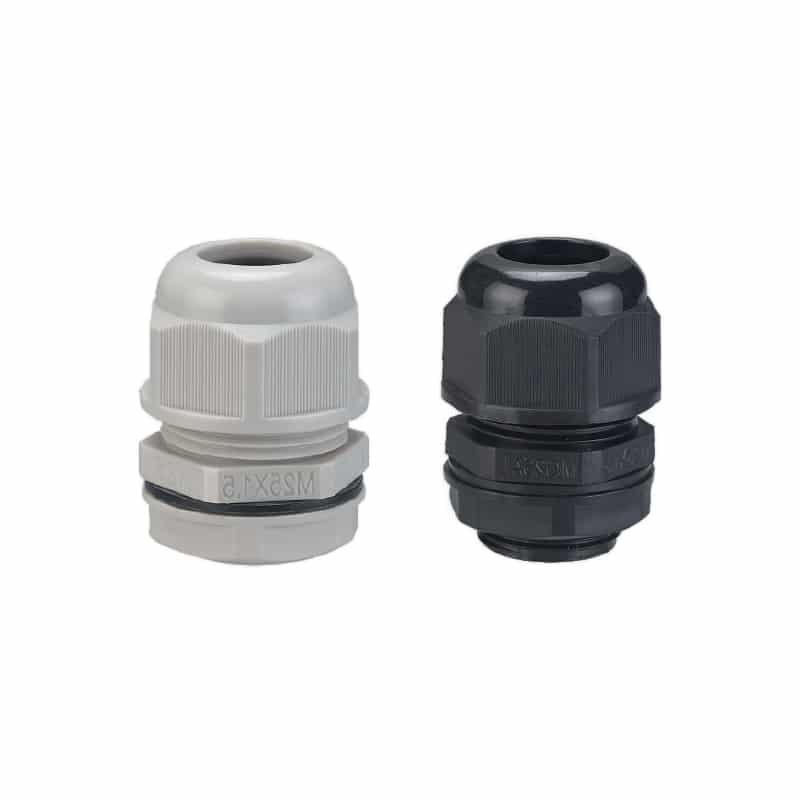
ประเภทกลไกการรักษา
การเก็บรักษาแบบบีบอัด:
วิธีการมาตรฐานโดยใช้การบีบอัดซีล:
- อาศัยแรงเสียดทานระหว่างซีลกับปลอกสายเคเบิล
- แรงยึดเหนี่ยวแปรผันตามแรงอัด
- ประสิทธิภาพทั่วไป: 200-800N ขึ้นอยู่กับการออกแบบ
- เหมาะสำหรับการใช้งานทั่วไปส่วนใหญ่
ระบบจับยึดเชิงกล:
การเก็บรักษาที่ดีขึ้นผ่านคุณสมบัติทางกล:
- ฟันหรือสันภายในยึดเกาะกับปลอกสายเคเบิล
- การมีส่วนร่วมอย่างต่อเนื่องภายใต้แรงกดดัน
- แรงยึดเหนี่ยว: 800-2000N โดยทั่วไป
- เหมาะอย่างยิ่งสำหรับการใช้งานที่มีความเครียดสูง
การจับยึดลวดด้วยเกราะ
การออกแบบเฉพาะสำหรับสายเคเบิลเกราะ
- การจับยึดลวดเกราะเหล็กโดยตรง
- ความแข็งแรงในการยึดเกาะที่ยอดเยี่ยม: 2000-5000N
- ป้องกันการดึงลวดเกราะกลับ
- สำคัญอย่างยิ่งสำหรับการใช้งานในอุตสาหกรรมและทางทะเล
ผลกระทบทางวัสดุต่อการเก็บรักษา
เกลียวสายเคเบิลไนลอน:
คุ้มค่าพร้อมการเก็บรักษาปานกลาง:
- เกรดมาตรฐาน: การยึดเหนี่ยว 200-400N
- เกรดที่เติมแก้ว: การคงทน 400-800N
- การออกแบบที่พัฒนาขึ้น: รองรับแรงได้สูงสุดถึง 1200N
- อุณหภูมิมีผลต่อประสิทธิภาพอย่างมาก
เกลียวทองเหลืองและทองสัมฤทธิ์:
คุณสมบัติทางกลที่เหนือกว่า:
- การรักษาความสม่ำเสมอในช่วงอุณหภูมิ
- ประสิทธิภาพทั่วไป: 1000-2000N
- เหมาะอย่างยิ่งสำหรับการใช้งานกลางแจ้ง
- ความต้านทานการกัดกร่อนแตกต่างกันไปตามโลหะผสม
เกลียวสแตนเลสสตีล:
ความสามารถในการเก็บรักษาสูงสุด:
- สแตนเลส 316L: 1500-2500N โดยทั่วไป
- สแตนเลสดูเพล็กซ์: รองรับแรงดึงได้สูงสุด 3000N
- ทนต่อการกัดกร่อนได้อย่างยอดเยี่ยม
- เหมาะสำหรับสภาพแวดล้อมที่มีสารเคมีรุนแรง
คุณสมบัติการออกแบบที่ส่งผลต่อการคงอยู่
ระยะเกลียวและการเข้าเกลียว:
ข้อได้เปรียบทางกลมีผลต่อการยึดเกาะ:
- Fine threads: Higher compression force, better retention
- Coarse threads: Faster assembly, moderate retention
- Thread engagement length: Minimum 1.5x diameter
- Thread quality: Precision machining essential
Internal Geometry:
Design details impact performance:
- Taper angles: Optimize compression distribution
- Surface textures: Enhance grip on cable jacket
- Multiple compression zones: Distribute stress
- Progressive engagement: Prevent damage during assembly
ความเข้ากันได้ของประเภทสายเคเบิล
Flexible Cables:
Require careful retention design:
- PVC jackets: Good grip characteristics
- Polyurethane jackets: Excellent retention
- Rubber jackets: Variable performance
- Smooth jackets: May require enhanced designs
Armored Cables:
Specialized retention requirements:
- Steel wire armor3: Requires armor clamping
- Steel tape armor: Different retention mechanism
- Aluminum armor: Lower strength considerations
- Braided armor: Requires specific gland designs
Performance Testing Results
Based on our comprehensive testing program:
| ประเภทของต่อม | วัสดุ | Typical Retention (N) | Maximum Retention (N) |
|---|---|---|---|
| ไนลอนมาตรฐาน | พอลิเอไมด์ 66 | 300-500 | 800 |
| Enhanced Nylon | PA66 + GF | 500-800 | 1200 |
| ทองเหลือง | CW617N | 800-1500 | 2000 |
| สแตนเลส | 316L | 1200-2000 | 2500 |
| Armor Clamp | หลากหลาย | 2000-3000 | 5000+ |
Hassan, who manages several petrochemical facilities in Kuwait, learned the importance of proper retention specification when vibration from rotating equipment caused cable pullout failures in his original installation. We worked together to specify high-retention stainless steel glands with mechanical gripping features, eliminating the pullout issues and providing long-term reliability in his demanding environment.
ปัจจัยใดบ้างที่ส่งผลต่อความน่าเชื่อถือของการปิดผนึกในระยะยาว?
Long-term sealing reliability is affected by temperature cycling causing seal degradation, UV exposure leading to elastomer hardening, chemical exposure causing swelling or deterioration, mechanical stress from vibration and movement, and aging-related changes in material properties, with properly selected systems maintaining IP67/IP68 performance for 15-20 years under normal conditions.
Temperature Effects on Sealing
ผลกระทบจากการเปลี่ยนแปลงอุณหภูมิ:
Repeated temperature changes stress sealing systems:
- Differential expansion between materials
- Seal compression loss at high temperatures
- Brittleness at low temperatures
- Accelerated aging from thermal stress
Material Selection for Temperature:
Different elastomers for different ranges:
- Standard applications (-20°C to +80°C): NBR or EPDM
- High temperature (+80°C to +150°C): EPDM or Viton
- Extreme temperature (>+150°C): Specialized compounds
- Low temperature (<-40°C): Silicone or special NBR
Environmental Degradation Factors
UV Radiation Effects:
Sunlight degrades many seal materials:
- Ozone formation accelerates degradation
- Surface cracking reduces sealing effectiveness
- Color changes indicate material breakdown
- Carbon black provides UV protection
การสัมผัสสารเคมี:
Industrial environments challenge sealing materials:
- Acids: Cause hydrolysis in susceptible elastomers
- Bases: Attack ester linkages in some compounds
- Solvents: Cause swelling and property changes
- Oils: Can improve or degrade performance depending on type
ปัจจัยความเค้นทางกล
การสั่นสะเทือนและการเคลื่อนไหว:
Dynamic loads affect seal performance:
- Fretting wear at seal interfaces
- Fatigue cracking from cyclic stress
- Seal extrusion under dynamic loads
- Cable movement within gland
ความเค้นจากการติดตั้ง:
Improper installation affects longevity:
- Over-tightening causes seal extrusion
- Under-tightening allows seal relaxation
- Misalignment creates uneven stress
- Contamination during assembly
Aging and Time Effects
Elastomer Aging Mechanisms:
All rubber compounds age over time:
- Cross-link density changes
- Plasticizer migration
- ปฏิกิริยาออกซิเดชัน
- การคืนรูปหลังการอัด4 development
Predictive Testing:
We use accelerated aging to predict performance:
- Thermal aging per ASTM D573
- Ozone resistance per ASTM D1149
- Compression set per ASTM D395
- Chemical immersion testing
การบำรุงรักษาและการตรวจสอบ
Visual Inspection Criteria:
Regular inspection identifies potential issues:
- Surface cracking or checking
- Color changes indicating degradation
- Hardness changes (durometer testing)
- Compression set measurement
Replacement Indicators:
Know when to replace sealing systems:
- Visible seal damage or extrusion
- Loss of sealing performance (pressure testing)
- Hardness increase >20% from original
- Chemical attack evidence
ออกแบบเพื่อความยั่งยืน
Seal Protection Features:
Design elements that extend seal life:
- UV-resistant materials for outdoor use
- Chemical-resistant compounds for harsh environments
- Backup seals for critical applications
- Replaceable seal designs for maintenance
การประกันคุณภาพ:
Manufacturing controls ensure longevity:
- Material traceability and certification
- Cure monitoring for consistent properties
- Dimensional inspection for proper fit
- Batch testing for performance verification
Marcus’s Manchester installation now includes a proactive maintenance program based on our recommendations. Regular visual inspections every 6 months and durometer testing annually help identify seals approaching replacement before failure occurs, preventing the costly water ingress issues he experienced initially.
คุณจับคู่ข้อกำหนดของหน้าแปลนกับความต้องการของสายเคเบิลอย่างไร?
Matching gland specifications to cable requirements involves analyzing cable outer diameter ranges, jacket material compatibility, environmental conditions, mechanical stress requirements, and electrical specifications, with proper selection ensuring optimal sealing performance, adequate retention strength, and long-term reliability for specific installation conditions.
Cable Parameter Analysis
Diameter Measurement:
Accurate cable sizing is fundamental:
- Measure at multiple points along cable length
- Account for manufacturing tolerances (typically ±5%)
- Consider cable deformation under installation stress
- Include any protective coverings or conduits
Jacket Material Identification:
Different materials require different approaches:
- PVC: Good general compatibility, moderate retention
- Polyurethane: Excellent retention, chemical resistance
- Polyethylene: Low friction, may require enhanced retention
- Rubber compounds: Variable properties, check compatibility
Cable Construction Considerations:
Internal construction affects gland selection:
- Solid conductors: Rigid, predictable diameter
- Stranded conductors: More flexible, variable diameter
- Shielded cables: May require EMC glands
- Armored cables: Need specialized retention systems
การจับคู่สิ่งแวดล้อม
ข้อกำหนดระดับการป้องกัน IP:
Select appropriate protection level:
- IP54: Dust protection, splash water resistance
- IP65: Dust-tight, water jet protection
- IP67: Dust-tight, temporary immersion protection
- IP68: Dust-tight, continuous immersion protection
Temperature Range Matching:
Ensure materials suit operating conditions:
- Ambient temperature extremes
- Self-heating from electrical load
- Solar heating effects (outdoor installations)
- Process temperature exposure (industrial applications)
ความเข้ากันได้ทางเคมี:
Match materials to exposure conditions:
- Cleaning chemicals and solvents
- Process chemicals in industrial facilities
- Atmospheric pollutants in urban areas
- Marine environments with salt spray
ข้อกำหนดทางกล
Retention Force Calculation:
Determine required retention strength:
- Cable weight and vertical installation loads
- Vibration and dynamic forces
- ความเค้นจากการขยายตัว/หดตัวเนื่องจากความร้อน
- Safety factors for critical applications
การวิเคราะห์ความเค้น
Consider all mechanical loads:
- Installation pulling forces
- Service loop requirements
- Conduit or tray movement
- Equipment vibration transmission
การเลือกเฉพาะสำหรับแอปพลิเคชัน
การใช้งานภายในอาคาร:
Typically less demanding requirements:
- Standard temperature ranges
- Minimal UV exposure
- Controlled chemical environment
- Lower mechanical stress
การใช้งานกลางแจ้ง:
Enhanced specifications required:
- UV-resistant materials
- Wide temperature ranges
- Weather sealing requirements
- Enhanced mechanical properties
การใช้งานในอุตสาหกรรม:
Demanding performance requirements:
- ความต้านทานต่อสารเคมี
- High temperature capability
- ความต้านทานการสั่นสะเทือน
- Enhanced retention strength
Selection Process Framework
Step 1: Cable Analysis
- Measure cable diameter range
- Identify jacket material
- Determine construction type
- Note any special features
ขั้นตอนที่ 2: การประเมินผลกระทบสิ่งแวดล้อม
- Define operating temperature range
- Identify chemical exposures
- Determine IP rating requirements
- Assess UV exposure levels
Step 3: Mechanical Requirements
- Calculate retention force needs
- Assess vibration levels
- Determine installation stresses
- Define safety factors
Step 4: Gland Selection
- Match sealing range to cable diameter
- Select appropriate materials
- Verify retention capability
- Confirm environmental compatibility
Common Selection Mistakes
Undersized Sealing Range:
Consequences of poor sizing:
- Inadequate sealing performance
- Excessive compression stress
- การล้มเหลวของซีลก่อนกำหนด
- ความเสี่ยงจากการรั่วซึมของน้ำ
ความไม่เข้ากันของวัสดุ:
Chemical compatibility issues:
- Seal swelling or degradation
- Reduced sealing effectiveness
- Shortened service life
- Unexpected failure modes
Insufficient Retention:
Inadequate retention specification:
- Cable pullout under stress
- Conductor damage
- System failure
- อันตรายจากความปลอดภัย
Quality Verification
Installation Testing:
Verify proper selection through testing:
- Pressure testing for sealing verification
- Pull testing for retention confirmation
- Visual inspection for proper fit
- Documentation of test results
Hassan’s facilities now use our comprehensive selection matrix that considers all these factors systematically. This structured approach has eliminated the trial-and-error selection process he previously used, resulting in first-time-right specifications and zero sealing failures over the past two years of installations.
มาตรฐานการทดสอบสำหรับการปิดผนึกและการเก็บรักษาคืออะไร?
Testing standards for cable gland sealing and retention performance include IEC 624445 for general cable gland requirements, IP testing per IEC 60529, retention testing per manufacturer specifications, temperature cycling per IEC 60068, and chemical resistance testing per relevant ASTM standards, with comprehensive testing ensuring reliable performance across specified operating conditions.
International Testing Standards
IEC 62444 – ข้อต่อสายเคเบิลสำหรับการติดตั้งทางไฟฟ้า:
The primary international standard covering:
- Mechanical strength requirements
- Sealing performance criteria
- Temperature testing protocols
- Electrical safety requirements
- ขั้นตอนการประกันคุณภาพ
IEC 60529 – IP Code Testing:
Defines ingress protection testing:
- Dust ingress testing (IP5X, IP6X)
- Water ingress testing (IPX4 through IPX8)
- Test equipment specifications
- Pass/fail criteria definition
- Certification requirements
UL 514B – Conduit, Tubing, and Cable Fittings:
North American requirements including:
- ข้อกำหนดวัสดุ
- Dimensional requirements
- Performance testing protocols
- Marking and identification requirements
- คำแนะนำการติดตั้ง
Sealing Performance Testing
IP67 Testing Protocol:
Temporary immersion testing:
- Test depth: 1 meter minimum
- Test duration: 30 minutes minimum
- Water temperature: Room temperature
- Pass criteria: No water ingress
- Post-test inspection requirements
IP68 Testing Protocol:
Continuous immersion testing:
- Test conditions agreed between manufacturer and user
- Typical depth: 2-10 meters
- Duration: Hours to weeks depending on application
- More stringent than IP67 requirements
- Application-specific test parameters
Retention Testing Methods
Pull-Out Testing:
Standard retention measurement:
- Gradual force application at specified rate
- Force measurement accuracy ±2%
- Test to failure or specified maximum load
- Multiple samples for statistical validity
- Temperature conditioning as required
Cyclic Loading:
Dynamic retention testing:
- Repeated loading cycles
- Specified load levels and frequencies
- Monitoring for progressive failure
- Endurance testing protocols
- Real-world simulation conditions
การทดสอบสิ่งแวดล้อม
การเปลี่ยนอุณหภูมิ:
IEC 60068-2-14 requirements:
- Temperature extremes per application
- Transition rates and dwell times
- Number of cycles (typically 5-100)
- Performance verification after cycling
- การบำรุงรักษาความสมบูรณ์ของซีล
ความต้านทานต่อสารเคมี:
ASTM D543 immersion testing:
- Specific chemicals per application
- Controlled temperature and duration
- Weight change and property measurements
- Visual inspection for degradation
- Performance testing after exposure
Our Testing Capabilities
In-House Laboratory:
Comprehensive testing equipment:
- IP testing chambers up to IP68
- Universal testing machines for retention
- Environmental chambers (-40°C to +200°C)
- Chemical resistance testing facilities
- Automated data acquisition systems
Quality Control Testing:
Every production batch undergoes:
- การตรวจสอบมิติ
- Material property confirmation
- Sample performance testing
- การควบคุมกระบวนการทางสถิติ
- เอกสารการตรวจสอบย้อนกลับ
การรับรองและการปฏิบัติตามข้อกำหนด
การทดสอบโดยบุคคลที่สาม:
Independent verification through:
- TUV certification for European markets
- UL listing for North American applications
- CSA approval for Canadian requirements
- ATEX certification for hazardous areas
- Marine certifications for offshore use
เอกสารที่ต้องการ:
Comprehensive test reports including:
- Test method references
- Sample identification and traceability
- Complete test data and results
- Pass/fail determinations
- Certification statements
การตรวจสอบความถูกต้องของประสิทธิภาพ
Accelerated Life Testing:
Predictive testing methods:
- การบ่มที่อุณหภูมิสูง
- Enhanced stress conditions
- Mathematical modeling for life prediction
- Correlation with field performance
- Confidence interval calculations
การติดตามผลการปฏิบัติงานภาคสนาม:
Real-world validation:
- Installation performance tracking
- Failure analysis programs
- การผสานรวมข้อเสนอแนะจากลูกค้า
- กระบวนการปรับปรุงอย่างต่อเนื่อง
- Long-term reliability studies
Testing Frequency and Sampling
การทดสอบการผลิต:
Regular quality verification:
- Statistical sampling plans
- Risk-based testing frequency
- Batch release criteria
- Non-conformance procedures
- Corrective action protocols
การตรวจสอบความถูกต้องของการออกแบบ:
New product qualification:
- Complete test matrix execution
- Multiple sample lots
- การทดสอบระยะเวลาที่ยาวนานขึ้น
- Worst-case condition evaluation
- Design margin verification
Marcus’s experience highlighted the importance of comprehensive testing documentation. When his insurance company investigated the water damage claim, our complete test reports and certifications provided the evidence needed to demonstrate that the failures were due to improper installation rather than product defects, protecting both his reputation and our liability exposure.
สรุป
Understanding the comparative analysis of sealing ranges and cable retention capabilities is fundamental to selecting the right cable gland for each specific application. From the basic principles of seal compression and retention mechanisms to the complex interactions of environmental factors and long-term reliability, proper gland selection requires comprehensive analysis of cable parameters, operating conditions, and performance requirements. At Bepto, our extensive testing capabilities, quality manufacturing processes, and deep understanding of sealing science ensure that our customers receive cable glands with verified performance for their specific applications. Whether you’re dealing with challenging outdoor environments, demanding industrial conditions, or critical infrastructure installations, matching gland specifications to cable requirements through systematic analysis and proper testing is essential for long-term system reliability and safety.
คำถามที่พบบ่อยเกี่ยวกับการซีลและการยึดสายเคเบิล
ถาม: ช่วงการซีลที่ควรมองหาในปลอกสายเคเบิลคืออะไร?
A: เลือกจุกซีลที่มีช่วงการปิดผนึกครอบคลุมเส้นผ่านศูนย์กลางของสายเคเบิลของคุณบวกกับค่าความเผื่อการผลิต 10-15% จุกซีลมาตรฐานทั่วไปมักมีช่วง 2-4 มม. ในขณะที่การออกแบบช่วงกว้างสามารถรองรับความแตกต่างได้ 8-12 มม. สำหรับการติดตั้งสายเคเบิลที่หลากหลาย.
ถาม: ฉันต้องการแรงยึดเกาะเท่าไรสำหรับการติดตั้งสายเคเบิลของฉัน?
A: ความต้องการแรงยึดเกาะขึ้นอยู่กับน้ำหนักของสายเคเบิล, มุมติดตั้ง, และน้ำหนักบรรทุกแบบไดนามิก การติดตั้งในแนวดิ่งต้องมีแรงยึดเกาะอย่างน้อย 5 เท่าของน้ำหนักสายเคเบิล ในขณะที่การใช้งานในแนวนอนอาจต้องการเพียง 2-3 เท่าเท่านั้น ให้เพิ่มปัจจัยความปลอดภัยสำหรับผลกระทบจากการสั่นสะเทือนและการขยายตัวจากความร้อน.
ถาม: ฉันสามารถใช้จุกเกลียวเดียวกันสำหรับสายเคเบิลประเภทต่างๆ ได้หรือไม่?
A: Yes, if the cables fall within the gland’s sealing range and the jacket materials are compatible. However, different jacket materials may affect retention performance, so verify compatibility and test retention if critical for your application.
ถาม: ซีลกันน้ำของสายเคเบิลควรมีอายุการใช้งานนานเท่าใดในการใช้งานกลางแจ้ง?
A: ซีลที่ทนต่อรังสียูวีอย่างเหมาะสมควรรักษาประสิทธิภาพ IP67/IP68 ได้เป็นเวลา 15-20 ปีในสภาพแวดล้อมกลางแจ้งส่วนใหญ่ สภาพแวดล้อมที่รุนแรง เช่น อุณหภูมิสุดขั้ว การสัมผัสสารเคมี หรือรังสียูวีเข้มข้น อาจลดอายุการใช้งานเหลือ 8-12 ปี.
Q: What’s the difference between IP67 and IP68 sealing performance?
A: IP67 ให้การป้องกันต่อการแช่ชั่วคราว (ความลึก 1 เมตร, 30 นาที) ในขณะที่ IP68 ให้การป้องกันต่อการแช่ต่อเนื่องที่ความลึกและระยะเวลาที่ตกลงกันระหว่างผู้ผลิตกับผู้ใช้ IP68 มีความเข้มงวดมากกว่าและเหมาะสำหรับการใช้งานที่จมอยู่ใต้น้ำอย่างถาวร.
See the definitions for the Ingress Protection (IP) rating system, which classifies the sealing effectiveness of electrical enclosures. ↩
Learn about the Shore durometer scales (like Shore A) used to measure the hardness of polymers, elastomers, and rubbers. ↩
Discover the construction and applications of Steel Wire Armored (SWA) cable, which is designed for mechanical protection. ↩
Understand compression set, the property of an elastomer to not return to its original thickness after being compressed for a long time. ↩
Review the scope of the International Electrotechnical Commission’s standard for cable glands used in electrical installations. ↩
