

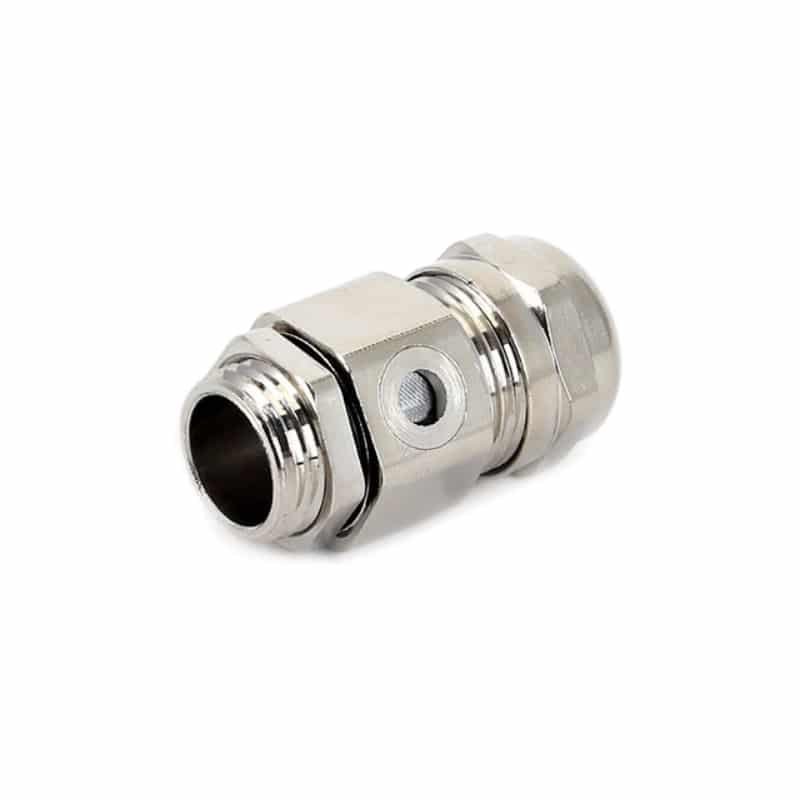
Electrical enclosures fail catastrophically when condensation builds up inside, causing short circuits, corrosion, and equipment damage that can cost thousands in repairs and downtime. Traditional sealed cable glands trap moisture inside, creating the perfect conditions for electrical failures and safety hazards.
Breathing and drainage glands prevent condensation by allowing controlled air exchange through breathable membranes while maintaining IP protection, enabling pressure equalization and moisture vapor escape while blocking liquid water ingress, thus eliminating internal condensation buildup that causes electrical failures and equipment corrosion in sealed enclosures.
Just last week, Marcus, an electrical contractor from Hamburg, Germany, called me in frustration. His client’s outdoor control panels kept failing due to condensation damage, despite using high-quality sealed cable glands. After switching to our breathable vent plugs and drainage glands, they’ve eliminated condensation issues completely and saved over €15,000 in replacement costs 😉
Table of Contents
- What Are Breathing and Drainage Glands?
- How Do They Prevent Condensation Formation?
- Which Applications Benefit Most from Breathing Technology?
- What Are the Key Design Features and Materials?
- How Do You Select the Right Breathing Solution?
- FAQs About Breathing and Drainage Glands
What Are Breathing and Drainage Glands?
Understanding the fundamental difference between sealed and breathing cable management solutions is crucial for preventing moisture-related failures.
Breathing and drainage glands are specialized cable accessories that allow controlled air exchange through breathable membranes while maintaining IP protection ratings, featuring microporous materials that permit air and water vapor passage but block liquid water, dust, and contaminants from entering electrical enclosures.
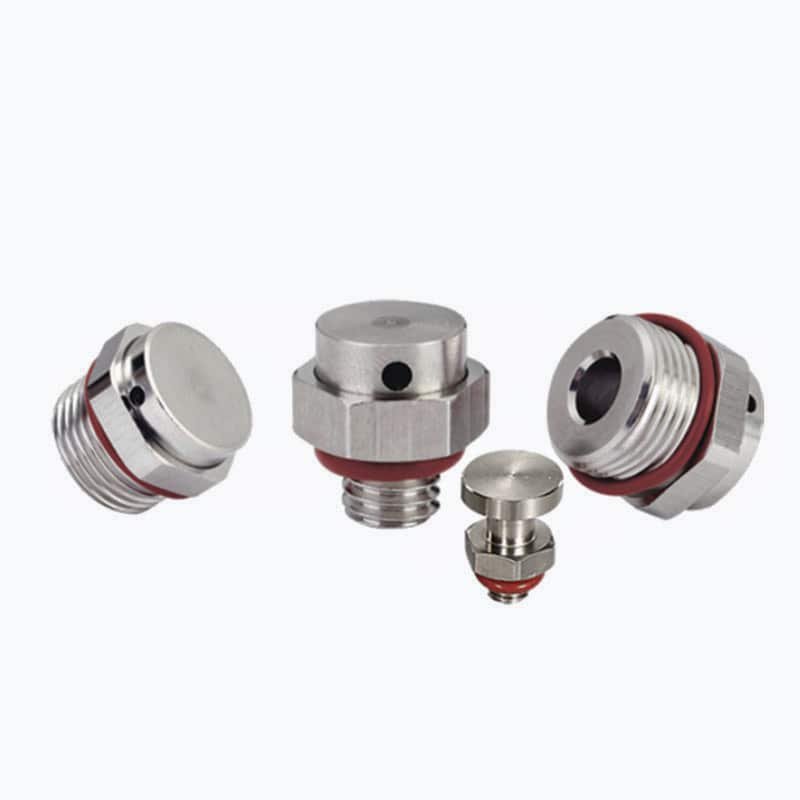
Core Components and Technology
Breathable Membrane Technology:
- Microporous PTFE membranes with 0.2-0.45 micron pore size1
- Hydrophobic surface treatment repels liquid water
- Oleophobic properties resist oil and chemical contamination
- Temperature stable from -40°C to +125°C
Drainage System Design:
- Integrated drainage channels direct condensate away
- Gravity-assisted water removal prevents accumulation
- Multiple drainage points for redundancy
- Self-cleaning design prevents blockage
Breathing vs. Traditional Sealed Glands
| Feature | Traditional Sealed | Breathing Glands |
|---|---|---|
| Air Exchange | None – sealed system | Controlled through membrane |
| Pressure Equalization | No – pressure buildup | Yes – automatic balancing |
| Condensation Risk | High in temperature cycling | Eliminated through vapor escape |
| IP Rating | IP65/IP68 when sealed | IP65/IP68 with breathing |
| Maintenance | Higher due to moisture issues | Lower – self-regulating |
Applications Requiring Breathing Technology
Temperature Cycling Environments:
- Outdoor electrical enclosures
- Solar junction boxes and combiner boxes
- Wind turbine control systems
- Industrial process control panels
High Humidity Locations:
- Coastal installations with salt air
- Tropical climate applications
- Underground utility systems
- Marine and offshore platforms
Pressure Equalization Benefits
Altitude Variations:
- Mountain installations with pressure changes
- Mobile applications crossing elevation changes
- Aircraft and aerospace applications
- Deep underground installations
Temperature-Induced Pressure Changes:
- Daily heating and cooling cycles
- Seasonal temperature variations
- Process heat exposure
- Solar heating effects on enclosures
At Bepto, we manufacture both breathable vent plugs and integrated breathing cable glands. Our breathable membrane technology has been tested to maintain IP68 protection while allowing vapor transmission rates up to 1000 g/m²/24hrs, ensuring optimal moisture management in the most challenging environments.
How Do They Prevent Condensation Formation?
The science behind condensation prevention involves understanding psychrometrics and vapor pressure dynamics in sealed enclosures.
Breathing glands prevent condensation by maintaining vapor pressure equilibrium between enclosure interior and ambient environment, allowing water vapor to escape before reaching dew point saturation while blocking liquid water ingress, thus eliminating the temperature and humidity conditions necessary for condensation formation on internal surfaces.

Condensation Formation Mechanisms
Traditional Sealed Enclosure Problems:
- Air trapped during installation contains moisture
- Temperature cycling creates pressure variations
- Cooling causes relative humidity to increase
- Dew point reached on cold internal surfaces
- Condensation forms and accumulates over time
Vapor Pressure Dynamics:
- Sealed enclosures trap water vapor inside
- Temperature drops increase relative humidity
- Saturation occurs when RH reaches 100%
- Condensation forms on coldest surfaces first
- Accumulated moisture causes electrical problems
Breathing Technology Solutions
Continuous Vapor Exchange:
- Breathable membrane allows vapor molecules to pass
- Equilibrium maintained with ambient conditions
- No vapor pressure buildup inside enclosure
- Relative humidity stays below saturation point
- Condensation formation prevented at source
Pressure Equalization Process:
- Temperature increase creates positive pressure
- Air and vapor escape through membrane
- Temperature decrease creates negative pressure
- Dry air enters to equalize pressure
- Net result: moisture removal and pressure balance
Scientific Principles
Fick’s Law of Diffusion:
- Vapor transmission driven by concentration gradients2
- Higher internal humidity drives vapor outward
- Membrane permeability allows selective passage
- Liquid water blocked by surface tension effects
- Continuous moisture removal maintains low RH
Psychrometric Control:
- Dew point depression through vapor removal
- Relative humidity maintained below critical levels
- Temperature cycling accommodated without saturation
- Moisture content equilibrium with environment
- Prevention rather than management approach
Performance Metrics
Vapor Transmission Rates:
- Standard membranes: 200-500 g/m²/24hrs
- High-performance: 500-1000 g/m²/24hrs
- Ultra-high: 1000+ g/m²/24hrs for extreme conditions
- Temperature dependent – higher rates at elevated temperatures
- Humidity gradient dependent – faster removal when needed most
Pressure Equalization Speed:
- Typical response time: 15-30 minutes
- Rapid temperature changes: 5-10 minutes
- Large enclosures: 30-60 minutes
- Membrane area dependent – larger area faster response
- Temperature differential dependent
Ahmed, a maintenance manager at a petrochemical facility in Kuwait, was experiencing constant condensation problems in their outdoor control panels during the extreme temperature swings between day and night. After installing our breathing cable glands and vent plugs, they achieved 100% elimination of condensation-related failures and reduced maintenance costs by 70%.
Which Applications Benefit Most from Breathing Technology?
Certain applications face severe condensation challenges that make breathing technology essential rather than optional.
Applications that benefit most from breathing technology include outdoor electrical enclosures with temperature cycling, solar and renewable energy systems, marine and coastal installations, underground utilities, industrial process control in humid environments, and any sealed enclosure experiencing pressure variations or temperature differentials exceeding 20°C.
Solar and Renewable Energy Systems
Solar Junction Boxes:
- Extreme temperature cycling from solar heating
- Daily temperature swings of 40-60°C common
- High UV exposure in desert installations
- 25+ year service life requirements
- Minimal maintenance access
Wind Turbine Control Systems:
- Altitude pressure variations
- Constant vibration and movement
- Offshore salt spray exposure
- Extreme weather conditions
- Critical reliability requirements
Marine and Coastal Applications
Offshore Platform Systems:
- High humidity and salt spray exposure
- Temperature variations from weather systems
- Pressure changes from altitude and weather
- Corrosive environment challenges
- Remote location maintenance difficulties
Coastal Infrastructure:
- Salt air increases corrosion risk
- High humidity year-round
- Storm surge and flooding potential
- UV exposure and temperature cycling
- Environmental protection requirements
Industrial Process Control
Chemical Processing Plants:
- Corrosive atmosphere exposure
- Process heat creates temperature cycling
- High humidity from process operations
- Safety-critical control systems
- Explosion-proof requirements often needed
Food and Beverage Processing:
- Washdown procedures create moisture exposure
- Temperature variations from process operations
- Sanitary requirements for equipment
- Corrosion resistance needed
- FDA compliance considerations
Underground and Utility Applications
Electrical Utility Systems:
- Underground installations with groundwater
- Temperature stable but high humidity
- Flooding potential during storms
- Long-term reliability requirements
- Difficult access for maintenance
Telecommunications Infrastructure:
- Buried cable systems and pedestals
- Temperature cycling from weather
- Moisture ingress from ground conditions
- Critical service reliability needs
- Remote monitoring capabilities
Application Selection Matrix
| Application Type | Temperature Cycling | Humidity Level | Pressure Variation | Breathing Priority |
|---|---|---|---|---|
| Solar Systems | Extreme (60°C+) | Variable | Moderate | Critical |
| Marine/Coastal | Moderate (30°C) | High (80%+) | Moderate | Critical |
| Industrial Process | High (40°C+) | High (70%+) | Low | High |
| Underground | Low (20°C) | High (90%+) | Low | Moderate |
| General Outdoor | Moderate (30°C) | Variable | Low | Moderate |
Environmental Condition Thresholds
Temperature Cycling Severity:
- Low Risk: <20°C daily variation
- Moderate Risk: 20-40°C daily variation
- High Risk: 40-60°C daily variation
- Extreme Risk: >60°C daily variation
Humidity Level Impact:
- Low Humidity: <50% RH – minimal condensation risk
- Moderate Humidity: 50-70% RH – seasonal condensation possible
- High Humidity: 70-90% RH – condensation likely without breathing
- Extreme Humidity: >90% RH – condensation certain without breathing
At Bepto, we’ve supplied breathing solutions to over 500MW of solar installations worldwide, achieving 99.7% reliability in preventing condensation-related failures. Our marine-grade breathing glands have protected offshore wind farms in the North Sea for over 8 years without a single moisture-related failure.
What Are the Key Design Features and Materials?
The performance of breathing and drainage glands depends critically on membrane technology, housing materials, and integrated design features.
Key design features include microporous PTFE membranes with hydrophobic treatment, corrosion-resistant housing materials like stainless steel or UV-stabilized nylon, integrated drainage channels, pressure equalization chambers, and multi-stage sealing systems that maintain IP ratings while allowing controlled vapor transmission and liquid water drainage.

Membrane Technology Specifications
Microporous PTFE Construction:
- Pore size: 0.2-0.45 microns (blocks bacteria and particles)
- Porosity: 70-90% for optimal vapor transmission
- Thickness: 10-50 microns depending on application
- Hydrophobic treatment prevents water wetting
- Chemical resistance to acids, bases, and solvents
Performance Characteristics:
- Vapor transmission: 200-1000+ g/m²/24hrs
- Liquid water entry pressure: >1000 mbar
- Temperature range: -40°C to +125°C continuous
- UV resistance: 10+ years outdoor exposure
- Chemical compatibility: Universal resistance
Housing Material Selection
Stainless Steel Options:
- 316L Grade: Marine and chemical environments
- 304 Grade: General industrial applications
- Duplex Stainless: Extreme corrosion resistance
- CNC machined for precision fit
- Electropolished surface finish available
Engineering Polymer Options:
- UV-Stabilized Nylon: Cost-effective outdoor use
- Modified PBT: Enhanced chemical resistance
- PEEK: Extreme temperature and chemical resistance
- Glass fiber reinforcement for strength
- Color stability and UV protection
Integrated Drainage Systems
Gravity Drainage Design:
- Multiple drainage ports prevent blockage
- Sloped internal channels direct water flow
- Self-cleaning action prevents sediment buildup
- Removable drainage plugs for maintenance
- Corrosion-resistant drainage materials
Drainage Capacity:
- Standard designs: 5-10 L/hr drainage rate
- High-capacity: 20+ L/hr for extreme conditions
- Multiple drain points for redundancy
- Freeze protection in cold climates
- Debris filtering to prevent blockage
Sealing System Architecture
Multi-Stage Sealing:
- Primary seal: Cable-to-gland interface
- Secondary seal: Membrane-to-housing interface
- Tertiary seal: Housing-to-enclosure interface
- Drainage seal: Prevents backflow
- Emergency backup sealing for membrane failure
Seal Material Selection:
- EPDM: General purpose, temperature stable
- FKM (Viton): Chemical and temperature resistance
- Silicone: Extreme temperature flexibility
- NBR: Oil and fuel resistance
- PTFE: Universal chemical compatibility
Pressure Rating Specifications
Operating Pressure Ranges:
- Standard atmospheric: ±500 mbar
- High pressure: ±1000 mbar
- Extreme pressure: ±2000 mbar
- Vacuum applications: -1000 mbar
- Altitude compensation: 0-3000m elevation
Pressure Equalization Response:
- Response time: 5-30 minutes typical
- Flow rate: 0.1-1.0 L/min air exchange
- Pressure differential threshold: 10-50 mbar
- Temperature compensation automatic
- Altitude adjustment automatic
Quality Control and Testing
Membrane Testing:
- Bubble point testing for pore integrity
- Vapor transmission rate verification
- Liquid water entry pressure testing
- Chemical compatibility validation
- Accelerated aging under UV exposure
Complete Assembly Testing:
- IP rating verification (IP65/IP68)
- Pressure cycling endurance testing
- Temperature cycling performance
- Vibration and shock resistance
- Salt spray corrosion testing
Customization Options
Application-Specific Modifications:
- Membrane area sizing for enclosure volume
- Drainage capacity matching to conditions
- Housing material selection for environment
- Thread specifications and mounting options
- Certification requirements (ATEX, UL, etc.)
Performance Optimization:
- High-flow membranes for rapid equalization
- Extended temperature range materials
- Enhanced UV protection for desert use
- Increased drainage capacity for tropical climates
- Explosion-proof versions for hazardous areas
At Bepto, our breathing glands feature proprietary membrane technology developed in partnership with leading PTFE manufacturers. We maintain strict quality control with 100% testing of membrane integrity and IP rating verification before shipment.
How Do You Select the Right Breathing Solution?
Selecting the optimal breathing and drainage solution requires systematic analysis of environmental conditions, enclosure characteristics, and performance requirements.
Selecting the right breathing solution involves analyzing enclosure volume and air exchange requirements, evaluating environmental conditions including temperature cycling and humidity levels, determining required IP ratings and certifications, calculating membrane area and drainage capacity needs, and matching housing materials to corrosive exposure and service life expectations.
Environmental Analysis Framework
Temperature Cycling Assessment:
- Daily temperature range measurement
- Seasonal variation analysis
- Solar heating effects calculation
- Process heat exposure evaluation
- Altitude temperature effects
Humidity and Moisture Evaluation:
- Ambient humidity levels year-round
- Seasonal moisture variations
- Precipitation and flooding potential
- Process moisture generation
- Groundwater and condensation sources
Enclosure Specification Requirements
Volume and Air Exchange Calculations:
- Internal enclosure volume measurement
- Required air exchange rate determination
- Membrane area sizing calculations
- Multiple gland requirements assessment
- Pressure equalization time requirements
Mounting and Integration Considerations:
- Available mounting locations and orientations
- Thread specifications and compatibility
- Clearance requirements for drainage
- Maintenance accessibility needs
- Integration with existing cable entries
Performance Specification Matching
Vapor Transmission Requirements:
- Low Demand: <200 g/m²/24hrs – stable environments
- Medium Demand: 200-500 g/m²/24hrs – moderate cycling
- High Demand: 500-1000 g/m²/24hrs – severe cycling
- Extreme Demand: >1000 g/m²/24hrs – desert/tropical
Drainage Capacity Needs:
- Light Duty: 1-5 L/hr – minimal condensation
- Medium Duty: 5-15 L/hr – moderate conditions
- Heavy Duty: 15-30 L/hr – high humidity/cycling
- Extreme Duty: >30 L/hr – tropical/marine conditions
Material Selection Criteria
Housing Material Decision Matrix:
- Nylon: Cost-effective, moderate environments
- Stainless Steel 304: Industrial, non-marine
- Stainless Steel 316L: Marine, chemical exposure
- Special Alloys: Extreme chemical/temperature
Membrane Selection Guidelines:
- Standard PTFE: General applications
- High-Flow PTFE: Rapid equalization needs
- Chemical-Resistant: Aggressive environments
- High-Temperature: Process heat exposure
Certification and Standards Requirements
Industry-Specific Certifications:
- UL Listed: North American electrical codes
- CE Marking: European conformity requirements
- ATEX: Explosive atmosphere applications3
- IECEx: International explosive certification4
- Marine Approvals: Ship and offshore use
IP Rating Selection:
- IP65: Dust-tight, water jet protection
- IP66: Dust-tight, powerful water jet protection
- IP67: Dust-tight, temporary immersion protection
- IP68: Dust-tight, continuous immersion protection
- IP69K: High-pressure, high-temperature washdown5
Installation and Maintenance Planning
Installation Considerations:
- Orientation requirements for drainage
- Accessibility for future maintenance
- Environmental protection during installation
- Integration with existing systems
- Commissioning and testing procedures
Maintenance Requirements:
- Inspection frequency recommendations
- Membrane replacement intervals
- Drainage system cleaning procedures
- Performance monitoring methods
- Spare parts inventory planning
Cost-Benefit Analysis Framework
Initial Cost Factors:
- Product cost comparison
- Installation labor requirements
- Certification and approval costs
- System integration expenses
- Testing and commissioning costs
Lifecycle Value Assessment:
- Maintenance cost reduction
- Equipment protection value
- Downtime prevention savings
- Service life extension benefits
- Warranty and support value
Selection Decision Checklist
Environmental Factors:
- Temperature cycling severity assessed
- Humidity levels and variations documented
- Corrosive exposure evaluated
- UV and weather exposure analyzed
- Altitude and pressure effects considered
Technical Requirements:
- Enclosure volume and air exchange calculated
- IP rating requirements determined
- Drainage capacity needs assessed
- Membrane performance specified
- Housing material selected
Compliance and Standards:
- Industry certifications identified
- Local code requirements verified
- Safety standards compliance confirmed
- Environmental regulations checked
- Quality standards specified
Roberto, a project engineer from a solar installation company in Arizona, initially selected breathing glands based only on price. After experiencing membrane failures in their desert installations, he adopted our comprehensive selection process and achieved 99.9% reliability across 200MW of subsequent projects using properly specified high-temperature, high-flow breathing solutions.
Conclusion
Breathing and drainage glands represent a critical advancement in preventing condensation-related failures in electrical enclosures. By understanding the science of vapor pressure dynamics and implementing proper membrane technology, these solutions eliminate moisture buildup that causes equipment damage, safety hazards, and costly downtime.
The key to success lies in proper selection based on environmental analysis, enclosure specifications, and performance requirements. Whether you’re protecting solar installations in desert climates, marine systems in coastal environments, or industrial controls in humid conditions, the right breathing solution ensures long-term reliability and performance.
At Bepto, we’ve developed comprehensive breathing and drainage solutions that combine advanced membrane technology with robust housing materials and integrated drainage systems. Our products have protected thousands of installations worldwide, delivering proven performance in the most challenging environments 😉
FAQs About Breathing and Drainage Glands
Q: How do breathing glands maintain IP ratings while allowing air exchange?
A: Breathing glands use microporous PTFE membranes with pore sizes of 0.2-0.45 microns that allow air and water vapor molecules to pass through while blocking liquid water droplets, dust particles, and contaminants, maintaining IP65/IP68 protection while enabling controlled vapor exchange.
Q: What’s the difference between breathing glands and regular vented enclosures?
A: Breathing glands provide controlled, membrane-based vapor exchange while maintaining full IP protection, whereas regular vented enclosures use open louvers or screens that compromise weather protection and allow contamination ingress while providing uncontrolled air exchange.
Q: How often do breathing gland membranes need replacement?
A: High-quality PTFE membranes typically last 5-10 years in normal outdoor conditions, with replacement intervals depending on environmental severity, UV exposure, and chemical contamination levels. Desert and marine environments may require replacement every 3-5 years for optimal performance.
Q: Can breathing glands work in explosive atmosphere applications?
A: Yes, breathing glands are available with ATEX and IECEx certifications for explosive atmosphere use, featuring flame-arresting membrane technology and explosion-proof housing construction that prevents ignition source transmission while maintaining vapor exchange capabilities.
Q: What size breathing gland do I need for my enclosure?
A: Size selection depends on enclosure volume, temperature cycling severity, and required air exchange rate. As a general rule, membrane area should provide 0.1-0.5 cm² per liter of enclosure volume, with larger areas needed for severe temperature cycling or high humidity environments.
-
“ASTM F316 – Standard Test Methods for Pore Size Characteristics”,
https://www.astm.org/f0316-03r19.html. This standard defines the testing methods for determining pore size characteristics of membrane filters. Evidence role: standard; Source type: standard. Supports: specific claim. ↩ -
“Fick’s laws of diffusion”,
https://en.wikipedia.org/wiki/Fick%27s_laws_of_diffusion. Explains how particles diffuse from areas of high concentration to low concentration, which is the mechanism for vapor transmission. Evidence role: mechanism; Source type: wikipedia. Supports: specific claim. ↩ -
“ATEX Directive”,
https://single-market-economy.ec.europa.eu/sectors/mechanical-engineering/atex_en. The European Commission directive describing what equipment is permitted in explosive atmospheres. Evidence role: standard; Source type: government. Supports: specific claim. ↩ -
“IECEx System”,
https://www.iecex.com/. The international certification system for equipment used in explosive atmospheres. Evidence role: standard; Source type: standard. Supports: specific claim. ↩ -
“IP Ratings”,
https://www.iec.ch/ip-ratings. The International Electrotechnical Commission’s definitions of ingress protection ratings, including the IP69K standard. Evidence role: standard; Source type: standard. Supports: specific claim. ↩
