


Samuel
Picture this: Your product passes all initial tests, gets approved for production, and then fails catastrophically in the field due to moisture buildup or pressure-related damage. Sound familiar? As Samuel, Sales Director at Bepto with over 10 years in the cable accessories industry, I’ve witnessed too many companies skip proper vent plug validation, only to face costly recalls and damaged reputations later.
Proper vent plug testing involves systematic validation of pressure equalization, environmental protection, flow rate performance, and long-term durability through standardized test protocols including IP rating1 verification, temperature cycling, and accelerated aging tests. This comprehensive approach ensures your breathable vent plugs perform reliably across their entire operational lifespan.
Just last month, I received an urgent call from Robert, a design engineer at a major automotive electronics manufacturer in Detroit. His team had integrated our vent plugs into their new ECU housings without proper validation testing. Three months into production, they started seeing field failures due to condensation buildup during temperature cycling. The lack of proper testing protocols cost them $500,000 in warranty claims and nearly derailed their product launch timeline. 😰
Table of Contents
- What Are the Essential Vent Plug Performance Parameters?
- How Do You Set Up Proper Testing Environments and Equipment?
- What Are the Critical Test Procedures and Standards?
- How Do You Interpret Test Results and Validate Performance?
- What Are the Common Testing Mistakes and How to Avoid Them?
- FAQs About Vent Plug Testing
What Are the Essential Vent Plug Performance Parameters?
Understanding the key performance metrics is crucial for developing effective test protocols.
Essential vent plug performance parameters include air flow rate, water ingress protection (IP rating), pressure differential capability, temperature resistance, chemical compatibility, and long-term membrane integrity under various environmental conditions.
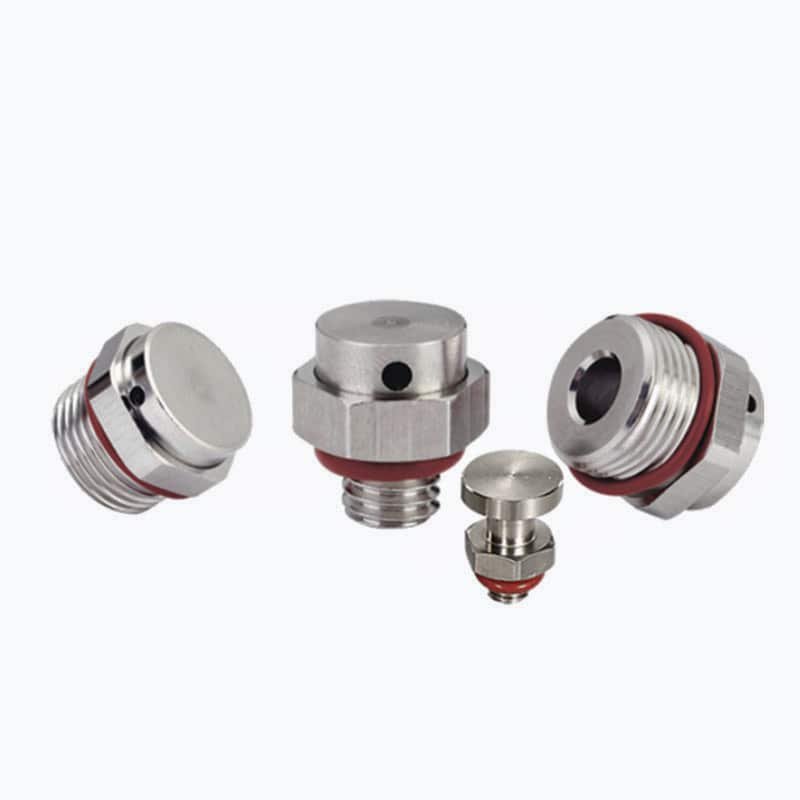
Primary Performance Metrics
Air Flow Rate: Measured in standard cubic centimeters per minute (SCCM2) at specified pressure differentials, typically 1-10 mbar. This determines the vent plug’s ability to equalize pressure during temperature changes and prevent vacuum formation.
IP Rating Validation: Most applications require IP67 or IP68 protection levels. Testing involves submersion tests at specified depths and durations to verify water ingress protection while maintaining breathability.
Pressure Differential Performance: Critical for applications experiencing rapid temperature changes. Typical requirements range from 0.1 to 50 mbar depending on enclosure volume and expected temperature cycling rates.
Environmental Resistance Parameters
Temperature Cycling: Validate performance across the full operating temperature range, typically -40°C to +125°C for automotive and industrial applications. This includes both steady-state and rapid cycling conditions.
Chemical Compatibility: Test resistance to oils, solvents, cleaning agents, and other chemicals the vent plug may encounter in service. PTFE membranes generally offer excellent chemical resistance, but housing materials may vary.
UV and Ozone Resistance: For outdoor applications, validate long-term exposure resistance to prevent material degradation that could compromise sealing or breathability.
At Bepto, we’ve developed comprehensive test matrices covering all these parameters. Our vent plugs undergo rigorous validation including 1000-hour accelerated aging tests and real-world environmental exposure trials to ensure consistent performance.
How Do You Set Up Proper Testing Environments and Equipment?
Establishing the right test setup is fundamental to obtaining reliable and repeatable results.
Proper testing requires controlled environmental chambers, precision pressure measurement equipment, flow rate testing apparatus, and IP rating test fixtures that can simulate real-world operating conditions while providing accurate, repeatable measurements.
Essential Testing Equipment
Environmental Chambers: Temperature and humidity controlled chambers capable of cycling between -40°C to +125°C with humidity control from 10% to 95% RH. These chambers must provide uniform temperature distribution and precise control for repeatable results.
Pressure Testing Systems: Differential pressure transducers with accuracy better than ±0.1% of reading, capable of measuring pressures from 0.1 mbar to 100 mbar. Include both positive and negative pressure capability for comprehensive testing.
Flow Rate Measurement: Mass flow controllers and meters capable of measuring air flow rates from 0.1 to 1000 SCCM with high accuracy. Ensure calibration traceability to national standards.
Test Fixture Design Considerations
Enclosure Simulation: Create test fixtures that accurately represent your actual product enclosure, including internal volume, vent plug mounting configuration, and thermal mass characteristics.
Sealing Integrity: Ensure test fixtures provide proper sealing around the vent plug to prevent bypass leakage that could invalidate test results. Use appropriate O-rings and sealing compounds.
Instrumentation Access: Design fixtures with proper sensor mounting points for temperature, pressure, and humidity measurements without compromising the test environment.
I remember working with Hassan, a quality manager at a petrochemical equipment manufacturer in Abu Dhabi, who initially tried to use makeshift test setups. His inconsistent results led to specification disputes with customers. After implementing proper test equipment and procedures, his validation process became the gold standard in their industry.
What Are the Critical Test Procedures and Standards?
Following established test procedures ensures consistent, reliable validation of vent plug performance.
Critical test procedures include IP rating verification per IEC 60529, flow rate testing per ISO standards, temperature cycling validation, accelerated aging tests, and chemical resistance evaluation following ASTM protocols3 for comprehensive performance validation.
IP Rating Verification Procedures
IPX7 Testing: Submersion in 1 meter of water for 30 minutes while monitoring for internal pressure changes or moisture ingress. The vent plug must maintain breathability while preventing water ingress.
IPX8 Testing: Continuous submersion under conditions agreed between manufacturer and user, typically 1.5 meters for 24 hours. This validates performance under more severe water exposure conditions.
Dust Protection Testing: IP6X validation requires exposure to talcum powder in a dust chamber for 8 hours with specified air circulation, followed by inspection for dust ingress.
Flow Rate Testing Protocols
Standard Conditions: Measure flow rate at 23°C ± 2°C, 50% ± 5% RH, and 1013 mbar ± 10 mbar atmospheric pressure. Use dry, clean air for consistency.
Pressure Differential Testing: Test at multiple pressure differentials (1, 5, 10, 25, 50 mbar) to characterize flow vs. pressure relationship and identify any non-linear behavior.
Temperature Dependency: Measure flow rate at minimum, nominal, and maximum operating temperatures to quantify temperature effects on breathability.
Accelerated Aging Validation
Thermal Cycling: 1000 cycles between -40°C and +125°C with 30-minute dwells at each extreme, followed by full performance verification.
Humidity Cycling: 500 cycles between 10% and 95% RH at 40°C, testing membrane integrity and housing seal performance.
Chemical Exposure: Immersion in relevant chemicals for specified durations, followed by performance testing to validate maintained functionality.
How Do You Interpret Test Results and Validate Performance?
Proper data analysis and interpretation are crucial for making informed design decisions.
Test result interpretation involves comparing measured values against specifications, analyzing trends over time, identifying failure modes, calculating safety margins, and determining if performance meets application requirements throughout the expected product lifecycle.
Performance Criteria Analysis
Flow Rate Acceptance: Verify measured flow rates meet minimum requirements with appropriate safety margins. Typical acceptance criteria require measured values to be 110-150% of minimum specification to account for manufacturing variation and aging effects.
IP Rating Compliance: Zero tolerance for water ingress during IP testing. Any moisture detection indicates test failure and requires investigation of root cause, whether membrane failure, seal compromise, or installation issues.
Pressure Differential Capability: Verify the vent plug can handle maximum expected pressure differentials without membrane rupture or permanent deformation. Include safety factors for unexpected operating conditions.
Trend Analysis and Degradation Assessment
Performance Degradation Tracking: Monitor how key parameters change throughout accelerated aging tests. Establish maximum allowable degradation limits (typically 20-30% for flow rate) before considering the test a failure.
Failure Mode Identification: Analyze failure patterns to understand root causes. Common failure modes include membrane clogging, seal degradation, housing cracking, or chemical attack on materials.
Statistical Analysis: Use appropriate statistical methods to analyze test data, including confidence intervals, regression analysis for trend identification, and correlation analysis between different parameters.
Documentation and Validation Records
Test Report Generation: Create comprehensive test reports documenting all procedures, equipment used, environmental conditions, raw data, analysis results, and conclusions. Include photos of test setup and any observed failures.
Specification Compliance Matrix: Develop clear matrices showing how test results compare to specifications, highlighting any areas of concern or margin deficiency.
Design Validation Sign-off: Establish clear criteria for design validation approval, including required test completion, performance compliance, and appropriate safety margins.
What Are the Common Testing Mistakes and How to Avoid Them?
Learning from common pitfalls can save significant time and resources in your validation process.
Common testing mistakes include inadequate environmental control, improper test fixture design, insufficient test duration, ignoring statistical significance, poor documentation practices, and failing to test under realistic operating conditions that represent actual field use.
Environmental Control Issues
Temperature Uniformity Problems: Inadequate chamber design or overloading can create temperature gradients that invalidate test results. Ensure proper air circulation and avoid blocking chamber airflow with test fixtures.
Humidity Control Failures: Many chambers struggle with humidity control at temperature extremes. Verify humidity accuracy throughout your test temperature range and calibrate sensors regularly.
Pressure Measurement Errors: Barometric pressure variations can significantly affect flow rate measurements. Use differential pressure measurements referenced to chamber conditions, not absolute pressure readings.
Test Fixture and Setup Problems
Bypass Leakage: Poor sealing around test fixtures allows air flow that bypasses the vent plug, leading to erroneously high flow rate measurements. Use proper O-ring grooves and sealing compounds.
Thermal Mass Effects: Test fixtures with excessive thermal mass can create temperature lag that doesn’t represent real product behavior. Design fixtures to match your actual product’s thermal characteristics.
Vibration and Mechanical Stress: Laboratory environments may not replicate mechanical stresses present in actual applications. Consider adding vibration or mechanical stress during testing for critical applications.
Data Analysis and Documentation Errors
Insufficient Sample Size: Testing only one or two samples provides inadequate statistical confidence. Use appropriate sample sizes based on statistical requirements and risk tolerance.
Ignoring Measurement Uncertainty: All measurements have uncertainty that must be considered when comparing to specifications. Account for instrument accuracy, calibration uncertainty, and environmental effects.
Poor Change Control: Modifications to test procedures or equipment without proper documentation can invalidate comparisons between test runs. Maintain strict change control and documentation practices.
Remember Robert from Detroit? After implementing proper testing protocols and avoiding these common mistakes, his team not only resolved their field failures but also optimized their vent plug selection to improve overall product reliability. Their new validation process became a model for other product lines in the company.
Conclusion
Proper vent plug testing and validation is not optional—it’s essential for product reliability and customer satisfaction. By understanding critical performance parameters, establishing proper test environments, following standardized procedures, correctly interpreting results, and avoiding common mistakes, you can ensure your breathable vent plugs perform reliably throughout their service life. The investment in comprehensive testing pays dividends through reduced warranty costs, improved customer satisfaction, and enhanced product reputation.
At Bepto, we’re committed to supporting your validation efforts with high-quality vent plugs, comprehensive technical documentation, and expert guidance based on our decade of experience. Don’t let inadequate testing compromise your product’s success—implement proper validation procedures from the start and ensure your designs meet the highest standards of performance and reliability.
FAQs About Vent Plug Testing
Q: How long should I run accelerated aging tests for vent plugs?
A: Run accelerated aging tests for minimum 1000 hours with appropriate acceleration factors based on temperature and humidity. This typically represents 5-10 years of normal service life depending on your application’s operating conditions and required reliability levels.
Q: What flow rate should I specify for my vent plug application?
A: Calculate required flow rate based on your enclosure volume, expected temperature change rate, and acceptable pressure differential. Typical requirements range from 5-50 SCCM at 10 mbar, but verify through thermal analysis of your specific application conditions.
Q: Can I use the same test procedures for different vent plug sizes?
A: Yes, but scale test parameters appropriately for different sizes. Larger vent plugs typically have higher flow rates and may require different pressure differentials. Maintain consistent test conditions and measurement techniques across all sizes for valid comparisons.
Q: How often should I retest vent plug performance during production?
A: Implement statistical process control4 with regular sampling based on production volume and risk assessment. Typical frequencies range from every 1000-10000 pieces depending on application criticality, with full validation testing annually or when design changes occur.
Q: What should I do if my vent plug fails IP rating tests?
A: First verify test setup and procedures to eliminate false failures. If failure is confirmed, inspect the vent plug for damage, verify proper installation, and check sealing surfaces. Contact your supplier for technical support and potential design modifications if systematic failures occur.
-
See a detailed chart explaining the Ingress Protection (IP) rating system and what the numbers signify for dust and water resistance. ↩
-
Learn the definition of Standard Cubic Centimeters per Minute (SCCM), a unit of mass flow rate for gases at standard temperature and pressure. ↩
-
Discover the role of ASTM International, an organization that develops and publishes voluntary consensus technical standards for a wide range of materials, products, and services. ↩
-
Get a basic overview of Statistical Process Control (SPC), a quality control method that uses statistical tools to monitor and control a process. ↩
