

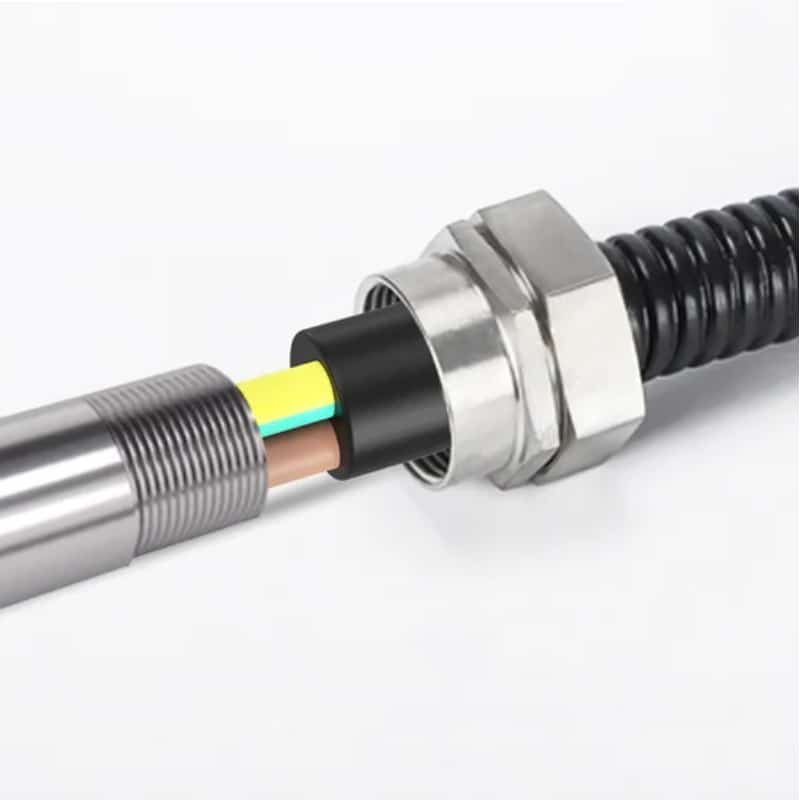
Selecting the wrong connector for high-pressure washdown environments can lead to catastrophic equipment failures, contamination risks, and costly production shutdowns that plague food processing, pharmaceutical, and chemical industries daily. Many engineers mistakenly assume standard IP67 ratings provide adequate protection, only to discover their connectors fail within weeks when exposed to 1000+ PSI cleaning cycles. High-pressure washdown connectors require IP69K rating with specialized sealing systems, stainless steel 316L construction, and FDA-approved materials to withstand steam cleaning, caustic chemicals, and pressures up to 1450 PSI1 while maintaining electrical integrity. After helping countless facility managers at Bepto Connector navigate these demanding specifications over the past decade, I’ve witnessed how proper connector selection can eliminate 90% of washdown-related failures and ensure continuous production uptime.
Table of Contents
- What Makes High-Pressure Washdown Environments So Challenging?
- Which IP Rating Do You Actually Need for Washdown Applications?
- What Materials Can Survive Repeated Chemical Exposure?
- How Do You Ensure Long-Term Seal Integrity?
- What Are the Hidden Costs of Wrong Connector Selection?
- FAQ
What Makes High-Pressure Washdown Environments So Challenging?
Understanding washdown challenges prevents costly specification mistakes and ensures reliable operation. High-pressure washdown environments combine extreme water pressure (up to 1450 PSI), elevated temperatures (180°F steam), aggressive chemicals (caustic cleaners, acids), and thermal shock cycles that destroy standard connectors within days – requiring specialized IP69K-rated designs with enhanced sealing and chemical-resistant materials.

Pressure and Temperature Extremes
High-Pressure Water Impact: Industrial washdown systems typically operate at 800-1450 PSI, creating water hammer effects that can force water past standard seals. This pressure is 10-20 times higher than typical rain or splash conditions that standard IP ratings address.
Steam Cleaning Challenges: Many facilities use 180°F (82°C) steam for sanitization, creating thermal shock when hot steam contacts cold equipment. This rapid temperature change causes seal materials to expand and contract, creating leak paths.
Pressure Cycling Effects: Repeated pressure applications stress connector housings and seals. Standard plastic connectors often crack under cyclic pressure loading, while inadequate seal designs allow progressive water ingress.
Chemical Aggression
Caustic Cleaning Agents: Sodium hydroxide solutions (up to 4% concentration) attack aluminum, brass, and standard plastics. These chemicals are essential for removing organic contamination but destroy non-resistant materials.
Acid Sanitizers: Phosphoric acid and peracetic acid sanitizers corrode standard metals and degrade rubber seals. Food processing facilities typically use these chemicals daily for pathogen control.
Chlorine-Based Disinfectants: Hypochlorite solutions cause stress cracking in many plastics and accelerate corrosion in standard stainless steel grades. Concentrations up to 200 PPM are common in food processing.
Marcus, a production manager at a poultry processing plant in Arkansas, learned these challenges the hard way. His facility initially installed standard IP67 brass cable glands on motor control panels, assuming they would handle the cleaning process. Within three weeks, caustic cleaning solutions had corroded the brass threads, and high-pressure washdown cycles forced water into the electrical enclosures. We replaced his entire installation with IP69K-rated stainless steel 316L cable glands featuring EPDM seals rated for food-grade chemicals. His plant has now operated for 18 months without a single washdown-related failure, maintaining HACCP compliance2 and eliminating production delays.
Thermal Shock and Cycling
Rapid Temperature Changes: Equipment surfaces can experience 100°F temperature swings in minutes during steam cleaning followed by cold water rinses. This thermal shock creates differential expansion that stresses connector assemblies.
Seal Material Degradation: Standard NBR and silicone seals lose elasticity under repeated thermal cycling, creating permanent leak paths that compromise IP protection.
Housing Stress: Plastic housings can crack under thermal stress, while dissimilar metals create galvanic corrosion when exposed to conductive cleaning solutions.
Which IP Rating Do You Actually Need for Washdown Applications?
IP rating selection determines washdown survival and long-term reliability. IP69K is the only rating specifically designed for high-pressure, high-temperature washdown applications, tested at 1450 PSI and 176°F – while standard IP67/IP68 ratings fail catastrophically under these conditions, making IP69K mandatory for food processing, pharmaceutical, and chemical washdown environments.
IP69K vs. Standard Ratings Comparison
IP67 Limitations: IP67 testing uses 1-meter water immersion at atmospheric pressure. This provides zero protection against high-pressure spray, steam cleaning, or chemical exposure common in washdown environments.
IP68 Inadequacy: While IP68 handles deeper immersion, it doesn’t address high-pressure spray or elevated temperatures. Many IP68 connectors fail immediately when exposed to 800+ PSI washdown pressure.
IP69K Superiority: IP69K testing specifically simulates washdown conditions using 1450 PSI water spray at 176°F from multiple angles. This rating ensures connectors survive actual cleaning processes.
| Rating | Pressure Test | Temperature | Washdown Suitability |
|---|---|---|---|
| IP67 | Atmospheric | Ambient | Inadequate |
| IP68 | Atmospheric | Ambient | Inadequate |
| IP69K | 1450 PSI | 176°F | Essential |
Understanding IP69K Test Requirements
Multi-Angle Spray Testing: IP69K testing exposes connectors to high-pressure spray from four different angles, ensuring complete protection regardless of installation orientation.
Duration and Cycles: Tests run for 30 seconds per angle with specific nozzle distances and spray patterns that replicate industrial cleaning equipment performance.
Pass/Fail Criteria: Zero water ingress is required – even trace moisture that doesn’t affect IP67 testing will cause IP69K failure, ensuring absolute protection.
Application-Specific Rating Selection
Food Processing: IP69K mandatory for all electrical connections in production areas subject to USDA/FDA cleaning requirements. Lower ratings create contamination risks and regulatory violations.
Pharmaceutical Manufacturing: IP69K required in sterile processing areas where steam sterilization and chemical sanitization are routine. Standard ratings cannot survive validation cleaning cycles.
Chemical Processing: IP69K essential where caustic or acidic cleaning solutions are used regularly. Chemical compatibility must be verified in addition to pressure/temperature resistance.
What Materials Can Survive Repeated Chemical Exposure?
Material selection determines connector survival in aggressive washdown chemicals. Stainless steel 316L provides superior corrosion resistance to caustic cleaners and acids3, while EPDM and FKM seals resist chemical attack and maintain flexibility through temperature cycling – standard brass, aluminum, and NBR materials fail rapidly in washdown environments.

Housing Material Requirements
Stainless Steel 316L Advantages: The molybdenum content in 316L provides exceptional resistance to chloride-induced corrosion. This grade withstands sodium hypochlorite, caustic soda, and most acid sanitizers without degradation.
Plastic Housing Limitations: Standard nylon and PVC housings crack under caustic exposure and thermal cycling. Even high-grade plastics like PEEK are vulnerable to stress cracking from cleaning chemicals.
Surface Finish Importance: Electropolished stainless steel surfaces resist bacterial adhesion and clean more effectively than rough finishes. Ra values below 0.5 micrometers are recommended for food contact applications.
Seal Material Selection
EPDM Performance: Ethylene Propylene Diene Monomer seals excel in caustic environments and maintain flexibility through wide temperature ranges (-40°F to +300°F). FDA-approved grades are available for food contact.
FKM for Extreme Conditions: Fluoroelastomer seals provide superior chemical resistance to acids, solvents, and oxidizers. These premium seals justify their higher cost in severe chemical environments.
NBR Seal Failures: Standard Nitrile rubber seals swell in many cleaning chemicals and lose sealing capability. They’re inadequate for any washdown application involving chemicals.
Hassan, who operates a dairy processing facility in Wisconsin, initially specified standard brass cable glands with NBR seals to control costs. However, the daily CIP (Clean-In-Place) cycles using 2% sodium hydroxide solution quickly corroded the brass and caused the NBR seals to swell and fail. Milk contamination from water ingress forced a complete production line shutdown and $50,000 in product loss. We upgraded his installation to 316L stainless steel cable glands with FDA-approved EPDM seals. The facility has now maintained perfect sanitary conditions for over two years, passing all USDA inspections and eliminating contamination risks.
Chemical Compatibility Verification
Cleaning Agent Analysis: Document all cleaning chemicals, concentrations, temperatures, and contact times. This information is essential for proper material selection and compatibility verification.
Accelerated Testing: Many suppliers provide chemical compatibility charts, but actual testing in your specific cleaning solutions provides the most reliable data for critical applications.
Regulatory Compliance: Food and pharmaceutical applications require FDA, USDA, or 3-A Sanitary Standards compliance4. Verify all materials meet applicable regulations for your industry.
How Do You Ensure Long-Term Seal Integrity?
Seal design and maintenance determine washdown connector reliability over time. Multiple seal barriers, replaceable seal elements, and proper installation torque specifications ensure long-term integrity – while single-seal designs, permanent seals, and improper installation create failure points that compromise IP protection within months of washdown exposure.
Advanced Sealing Technologies
Double Seal Systems: Primary and secondary seals provide redundant protection against water ingress. If the primary seal fails, the secondary seal maintains protection until maintenance can be performed.
Pressure-Compensated Designs: Some high-end connectors use pressure compensation to equalize internal and external pressures, reducing stress on seals during high-pressure washdown cycles.
Replaceable Seal Elements: Modular seal designs allow field replacement without replacing the entire connector, reducing maintenance costs and minimizing downtime.
Installation Best Practices
Torque Specifications: Over-tightening crushes seals and creates leak paths, while under-tightening allows water penetration. Follow manufacturer torque specifications precisely using calibrated tools.
Thread Preparation: Clean threads and apply appropriate thread sealant or tape. Contaminated threads prevent proper seal compression and create leak paths.
Orientation Considerations: Install connectors to minimize direct spray impact where possible. While IP69K connectors handle direct spray, reducing exposure extends seal life.
Maintenance and Inspection
Preventive Seal Replacement: Replace seals on scheduled intervals based on cleaning frequency and chemical exposure. Proactive replacement prevents unexpected failures during production.
Visual Inspection Protocols: Regular inspection for seal damage, housing cracks, or corrosion signs allows early intervention before failures occur.
Pressure Testing: Periodic pressure testing verifies seal integrity and identifies degradation before it causes equipment damage or contamination.
What Are the Hidden Costs of Wrong Connector Selection?
Improper connector selection creates cascading costs far exceeding initial savings. Wrong connector choices typically cost 10-50 times their purchase price through production shutdowns, contamination incidents, equipment damage, and regulatory violations – while proper IP69K connectors eliminate these risks and provide positive ROI within months through improved reliability.
Direct Failure Costs
Emergency Replacement: Failed connectors require immediate replacement with expedited shipping and overtime labor. Emergency repairs typically cost 5-10 times normal maintenance expenses.
Production Downtime: Each hour of production stoppage can cost thousands in lost revenue. Food processing lines generating $10,000/hour revenue face severe financial impact from connector failures.
Equipment Damage: Water ingress damages motors, drives, and control systems. Secondary damage often exceeds $10,000 per incident when electrical equipment is compromised.
Regulatory and Compliance Costs
Contamination Incidents: Water ingress can introduce pathogens or foreign materials into food products. Product recalls cost millions and damage brand reputation permanently.
Regulatory Violations: Failed washdown procedures due to equipment problems result in FDA warnings, facility shutdowns, and legal penalties that dwarf connector costs.
Audit Failures: Third-party audits (SQF, BRC, FSSC 22000) identify washdown equipment deficiencies that require immediate correction and re-audit expenses.
Long-Term Operational Impact
Maintenance Labor: Frequent connector replacement consumes maintenance resources that could address other critical needs. Proper connectors reduce maintenance by 80-90%.
Cleaning Effectiveness: Compromised electrical systems may require manual cleaning when automated systems fail, increasing labor costs and reducing cleaning consistency.
Insurance Implications: Repeated contamination incidents or safety violations can increase insurance premiums or void coverage for preventable equipment failures.
ROI of Proper Specification
Payback Period: Premium IP69K connectors typically pay for themselves within 6-12 months through eliminated failures and reduced maintenance costs.
Reliability Improvement: Proper connectors reduce washdown-related failures by 90%+, dramatically improving overall equipment effectiveness (OEE)5.
Peace of Mind: Knowing your electrical connections can survive any cleaning procedure eliminates stress and allows focus on production optimization rather than crisis management.
Conclusion
Selecting connectors for high-pressure washdown environments requires understanding the unique challenges of pressure, temperature, and chemical exposure that destroy standard electrical components. IP69K rating with stainless steel 316L construction and chemical-resistant seals provides the only reliable solution for food processing, pharmaceutical, and chemical industries. At Bepto Connector, we’ve helped hundreds of facilities eliminate washdown failures through proper connector specification and application engineering support. The investment in washdown-rated connectors pays dividends through eliminated downtime, reduced maintenance, and regulatory compliance. When production uptime and product safety depend on electrical reliability, never compromise on washdown connector specifications 😉
FAQ
Q: What’s the difference between IP67 and IP69K for washdown applications?
A: IP69K is specifically designed for high-pressure washdown with testing at 1450 PSI and 176°F, while IP67 only protects against low-pressure water immersion. IP67 connectors fail immediately under industrial washdown conditions, making IP69K essential for any high-pressure cleaning environment.
Q: Can I use brass connectors in food processing washdown areas?
A: Brass connectors are unsuitable for food processing washdown due to corrosion from caustic cleaners and potential lead contamination concerns. Stainless steel 316L is required for food-grade applications to resist chemical attack and meet FDA regulations.
Q: How often should I replace seals in washdown connectors?
A: Replace seals every 12-24 months depending on cleaning frequency and chemical exposure severity. Facilities with daily CIP cycles may need annual replacement, while less frequent washdown allows longer intervals. Monitor seal condition during regular inspections.
Q: What cleaning chemicals are most damaging to electrical connectors?
A: Sodium hydroxide (caustic soda) and chlorine-based sanitizers cause the most connector damage through corrosion and stress cracking. Concentrations above 2% sodium hydroxide or 200 PPM chlorine require specialized materials like 316L stainless steel and EPDM seals.
Q: Are plastic connectors ever acceptable for washdown environments?
A: High-grade plastic connectors with IP69K rating can work in mild washdown applications, but stainless steel is preferred for reliability. Avoid standard nylon or PVC connectors entirely – they will crack under thermal cycling and chemical exposure within weeks.
-
“IP69K & IPX9 High-Pressure Washdown Testing”,
https://castle-compliance.com/ip69k-ipx9-high-pressure-washdown-testing/. This testing-laboratory reference describes IP69K/IPX9 washdown parameters including 80°C water and 80-100 bar pressure, equivalent to 1160-1450 psi. Evidence role: general_support; Source type: industry. Supports: IP69K rating with specialized sealing systems, stainless steel 316L construction, and FDA-approved materials to withstand steam cleaning, caustic chemicals, and pressures up to 1450 PSI. ↩ -
“HACCP Principles & Application Guidelines”,
https://www.fda.gov/food/hazard-analysis-critical-control-point-haccp/haccp-principles-application-guidelines. FDA guidance explains HACCP as a systematic approach for identifying, evaluating, and controlling food safety hazards. Evidence role: general_support; Source type: government. Supports: HACCP compliance. ↩ -
“316L Stainless Steel Technical Data Sheet”,
https://metalshims.com/pages/316l-stainless-steel-technical-data-sheet. The technical sheet identifies 316/316L as molybdenum-bearing stainless steel with improved general, pitting, and crevice corrosion resistance compared with conventional chromium-nickel grades. Evidence role: general_support; Source type: industry. Supports: Stainless steel 316L provides superior corrosion resistance to caustic cleaners and acids. ↩ -
“Food Packaging & Other Substances that Come in Contact with Food – Information for Consumers”,
https://www.fda.gov/food/food-ingredients-packaging/food-packaging-other-substances-come-contact-food-information-consumers. FDA explains that food contact substances include processing equipment and preparation surfaces and must be authorized when they are regulated as food additives. Evidence role: general_support; Source type: government. Supports: FDA, USDA, or 3-A Sanitary Standards compliance. ↩ -
“Calculating OEE”,
https://www.oee.com/calculating-oee/. This manufacturing reference defines OEE as a productivity measure based on availability, performance, and quality. Evidence role: general_support; Source type: industry. Supports: overall equipment effectiveness (OEE). ↩
