

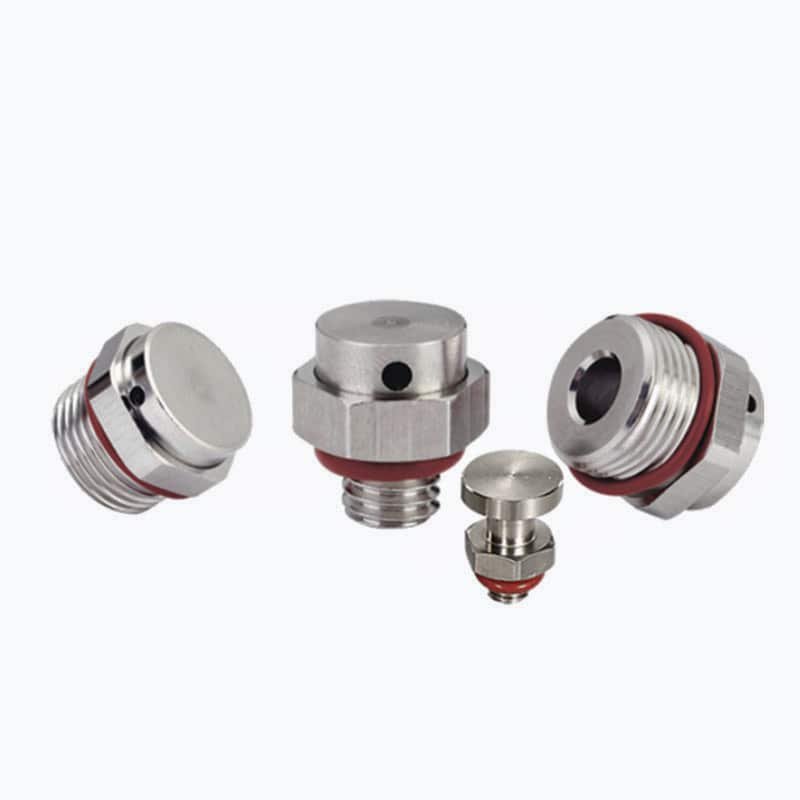
Sealed electronic enclosures face a silent killer that destroys expensive equipment daily: internal condensation buildup from temperature fluctuations and humidity changes. 😰 This moisture accumulation leads to component corrosion, electrical failures, and costly downtime that can devastate production schedules and maintenance budgets.
IP-rated1 vent plugs provide selective permeability that allows air and vapor exchange while maintaining complete protection against water ingress, preventing condensation damage through pressure equalization and moisture control without compromising the enclosure’s IP rating or exposing sensitive electronics to environmental contamination.
Last week, I received an urgent call from David, a maintenance engineer at a pharmaceutical manufacturing facility in Ohio, whose control panel enclosures were experiencing repeated failures due to condensation damage despite being rated IP65. The moisture buildup was costing his company $15,000 per failure in replacement components and production delays. 🏭
Table of Contents
- What Are IP-Rated Vent Plugs and How Do They Control Moisture in Sealed Enclosures?
- Which IP Ratings and Materials Provide Optimal Protection for Different Environmental Conditions?
- How Do You Calculate the Correct Vent Plug Size and Airflow Requirements for Your Application?
- What Installation and Maintenance Practices Ensure Long-Term Vent Plug Performance?
What Are IP-Rated Vent Plugs and How Do They Control Moisture in Sealed Enclosures?
Understanding vent plug technology is crucial for protecting your valuable electronic investments! ⚡
IP-rated vent plugs utilize microporous membranes2 that allow air molecules and water vapor to pass through while blocking liquid water and contaminants, maintaining pressure equalization and preventing condensation buildup while preserving the enclosure’s IP protection rating through selective permeability technology.

Membrane Technology Principles
Microporous Structure:
Our Bepto vent plugs feature advanced ePTFE (expanded polytetrafluoroethylene)3 membranes with controlled pore sizes typically ranging from 0.1 to 1.0 microns. These microscopic pores allow gas molecules to pass freely while blocking water droplets that are thousands of times larger.
Pressure Equalization:
Temperature changes create pressure differentials4 that can stress enclosure seals and draw moisture inside. Vent plugs automatically equalize internal and external pressure, preventing seal failure and reducing the driving force for moisture ingress.
Condensation Prevention Mechanism
Vapor Transmission:
Internal humidity can escape through the membrane while external moisture vapor can enter and exit freely, preventing the supersaturation conditions that lead to condensation formation on internal surfaces.
Temperature Cycling Protection:
During thermal cycling, sealed enclosures without venting experience pressure buildup during heating and vacuum formation during cooling. This creates a pumping action that draws moisture past seals.
Performance Comparison
| Protection Method | Bepto Vent Plugs | Sealed Only | Basic Drain Holes |
|---|---|---|---|
| Condensation Control | Excellent | Poor | Fair |
| IP Rating Maintained | Yes | Yes | No |
| Contamination Protection | Complete | Complete | None |
| Pressure Relief | Automatic | None | Limited |
| Installation Complexity | Simple | N/A | Simple |
David’s facility installed our IP68-rated vent plugs in their control panels, and within two weeks, internal humidity levels dropped by 60%, completely eliminating the condensation issues that had plagued them for months. 🔧
Which IP Ratings and Materials Provide Optimal Protection for Different Environmental Conditions?
Selecting the right IP rating and material ensures optimal performance in your specific environment! 🎯
IP-rated vent plugs are available in IP54, IP65, IP67, and IP68 ratings with materials including nylon, stainless steel, and brass construction, where higher IP ratings provide greater protection against water ingress while material selection depends on chemical compatibility, temperature range, and mechanical stress requirements in the application environment.

IP Rating Selection Guide
IP54 Applications:
Suitable for indoor environments with minimal water exposure. Provides protection against dust accumulation and water splashing, ideal for office or clean manufacturing environments where condensation control is the primary concern.
IP65 Standard Protection:
Our most popular rating for general industrial applications. Offers complete dust protection and protection against water jets from any direction, perfect for typical manufacturing environments and outdoor installations with overhead protection.
IP67 Submersion Protection:
Designed for applications where temporary submersion up to 1 meter depth may occur. Essential for equipment installed in wash-down areas, marine environments, or locations subject to flooding conditions.
IP68 Maximum Protection:
Provides continuous submersion protection beyond 1 meter depth. Required for underground installations, marine applications, and critical environments where absolute water protection is mandatory.
Material Selection Criteria
Nylon Construction:
Cost-effective option for standard industrial environments with operating temperatures from -40°C to +100°C. Excellent chemical resistance to most industrial solvents and cleaning agents, making it ideal for general manufacturing applications.
Stainless Steel 316L:
Premium material for harsh chemical environments, marine applications, and high-temperature conditions up to +200°C. Provides superior corrosion resistance and mechanical strength for demanding applications.
Brass Construction:
Offers excellent durability and EMI shielding properties while maintaining cost-effectiveness. Suitable for electrical enclosures requiring electromagnetic compatibility and moderate chemical resistance.
Environmental Compatibility
Chemical Resistance:
Different membrane materials offer varying chemical compatibility. PTFE membranes provide universal chemical resistance, while polyethylene options offer cost advantages in less demanding environments.
Temperature Performance:
Operating temperature ranges vary by material combination. Standard configurations handle -40°C to +85°C, while high-temperature versions extend to +200°C for specialized applications.
Hassan, who operates a chemical processing facility in Texas, initially selected standard nylon vent plugs but experienced premature failure due to aggressive chemical exposure. After switching to our stainless steel IP68 units with PTFE membranes, he achieved over 18 months of trouble-free operation in the same harsh environment. 🏭
How Do You Calculate the Correct Vent Plug Size and Airflow Requirements for Your Application?
Proper sizing ensures optimal performance and prevents pressure-related failures! 📊
Correct vent plug sizing requires calculating enclosure volume, maximum temperature differential, desired pressure equalization time, and airflow capacity requirements, where larger enclosures and rapid temperature changes demand higher airflow capacity achieved through larger membrane areas or multiple vent plugs to prevent excessive pressure buildup.

Volume and Pressure Calculations
Enclosure Volume Assessment:
Calculate internal air volume by subtracting component volumes from total enclosure volume. A typical control panel measuring 600mm x 400mm x 200mm contains approximately 35-40 liters of air space after accounting for internal components.
Temperature Differential Analysis:
Determine maximum expected temperature swing in your application. Industrial environments typically experience 40-60°C differentials between day/night cycles or equipment on/off states, creating significant pressure changes requiring adequate venting capacity.
Airflow Capacity Requirements
Standard Sizing Formula:
For general applications, allow 1 cm² of membrane area per 10 liters of enclosure volume for temperature differentials up to 50°C. Harsh environments or rapid temperature changes may require 50-100% additional capacity.
Multiple Vent Strategy:
Large enclosures benefit from multiple smaller vents rather than single large units. This provides redundancy, improves pressure distribution, and allows for easier maintenance access in complex installations.
Performance Specifications
| Vent Plug Size | Membrane Area | Max Enclosure Volume | Airflow Rate |
|---|---|---|---|
| M12 x 1.5 | 0.8 cm² | 8 liters | 0.3 L/min |
| M16 x 1.5 | 1.2 cm² | 12 liters | 0.5 L/min |
| M20 x 1.5 | 2.0 cm² | 20 liters | 0.8 L/min |
| M25 x 1.5 | 3.2 cm² | 32 liters | 1.2 L/min |
Application-Specific Considerations
Rapid Cycling Equipment:
Equipment with frequent on/off cycles or variable heat generation requires oversized venting to handle rapid pressure changes without stressing enclosure seals or creating temporary vacuum conditions.
High-Altitude Installations:
Reduced atmospheric pressure at elevation affects vent plug performance. Applications above 2000 meters elevation should increase vent capacity by 15-20% to compensate for reduced pressure differential driving force.
What Installation and Maintenance Practices Ensure Long-Term Vent Plug Performance?
Proper installation and maintenance maximize vent plug life and ensure consistent protection! 🔧
Long-term vent plug performance requires correct thread engagement, proper sealing with compatible gaskets, strategic positioning to avoid direct water exposure, regular visual inspection for membrane damage, and scheduled replacement based on environmental conditions and operating hours to maintain optimal airflow and protection characteristics.
Installation Best Practices
Thread Engagement:
Ensure minimum 5 full thread engagement for reliable sealing and mechanical strength. Use thread sealant compatible with enclosure material and environmental conditions, avoiding excessive torque that could damage the membrane assembly.
Positioning Strategy:
Install vent plugs on vertical surfaces or angled downward to prevent direct water accumulation on the membrane. Avoid bottom-mounted installations where possible, as these are most susceptible to water pooling and contamination.
Sealing and Compatibility
Gasket Selection:
Use appropriate gasket materials based on environmental conditions. EPDM gaskets provide excellent general-purpose sealing, while FKM (Viton) gaskets5 offer superior chemical resistance for harsh environments.
Thread Sealant Application:
Apply thread sealant to male threads only, avoiding contact with the membrane area. Use anaerobic sealants for permanent installations or PTFE tape for applications requiring periodic maintenance access.
Maintenance Schedule
Visual Inspection Protocol:
Monthly visual checks for membrane discoloration, physical damage, or contamination buildup. White or clear membranes should remain uniform in appearance, while darkening or staining indicates potential degradation or contamination.
Performance Testing:
Annual airflow testing using simple pressure differential measurements can identify reduced performance before complete failure occurs. Significant reduction in airflow capacity indicates membrane replacement is needed.
Replacement Indicators
Environmental Factors:
Harsh chemical environments may require annual replacement, while clean indoor applications can achieve 3-5 year service life. UV exposure, temperature extremes, and chemical contamination accelerate membrane degradation.
Performance Degradation:
Replace vent plugs when airflow capacity drops below 70% of original specification or when visual inspection reveals membrane damage, discoloration, or contamination that cannot be cleaned.
Conclusion
IP-rated vent plugs provide essential protection against condensation damage while maintaining enclosure integrity, offering a cost-effective solution that prevents expensive equipment failures and extends service life significantly! 🎯
FAQs About IP-Rated Vent Plugs
Q: What’s the difference between IP65 and IP68 vent plugs for my application?
A: IP65 vent plugs protect against water jets and are suitable for most industrial environments, while IP68 units provide continuous submersion protection for underwater or flood-prone installations. Choose IP68 for marine, underground, or wash-down applications where complete water immersion is possible.
Q: How often should I replace vent plugs in outdoor installations?
A: Outdoor vent plugs typically require replacement every 2-3 years depending on environmental conditions. UV exposure, temperature cycling, and contamination accelerate membrane degradation. Inspect annually and replace when airflow capacity drops or membrane shows discoloration or damage.
Q: Can I install multiple vent plugs on the same enclosure?
A: Yes, multiple vent plugs improve performance for large enclosures and provide redundancy. Use multiple smaller units rather than one large unit for better pressure distribution and easier maintenance. Calculate total membrane area based on enclosure volume requirements.
Q: Do vent plugs affect the enclosure’s original IP rating?
A: Properly installed IP-rated vent plugs maintain or can improve the enclosure’s IP rating by preventing pressure-related seal failures. The vent plug’s IP rating should match or exceed the enclosure’s rating. Installation must follow manufacturer specifications for proper sealing.
Q: What causes vent plug membrane failure and how can I prevent it?
A: Common failure causes include chemical attack, UV degradation, physical damage, and contamination buildup. Prevent failure by selecting appropriate materials for your environment, protecting from direct UV exposure, avoiding mechanical damage during maintenance, and following recommended replacement schedules.
See a detailed chart explaining the Ingress Protection (IP) rating system for dust and water resistance. ↩
Learn about the science of microporous membranes and how they allow gas to pass through while blocking liquids. ↩
Review the technical properties of expanded Polytetrafluoroethylene (ePTFE), a common material for high-performance vent plug membranes. ↩
Understand the physics behind how temperature changes create pressure differences inside sealed electronic enclosures. ↩
Explore a chemical compatibility chart for FKM (Viton) gaskets to see how they perform against various industrial chemicals. ↩
